Scorpion Fish (Scorpaena plumieri): Nature’s Master of Disguise with a Sting
Introduction
Meet the Scorpion Fish, Scorpaena plumieri, a creature that’s as fascinating as it is formidable. This fish isn’t just another pretty face in the reef; it’s a walking, swimming lesson in evolutionary cunning. Known for its venomous spines and uncanny camouflage, the Scorpion Fish blends seamlessly into its surroundings, waiting to ambush prey or deter predators. If you’re diving into Scorpion Fish facts, prepare to be impressed by a species that’s equal parts beauty and danger.
What Makes the Scorpion Fish Unique?
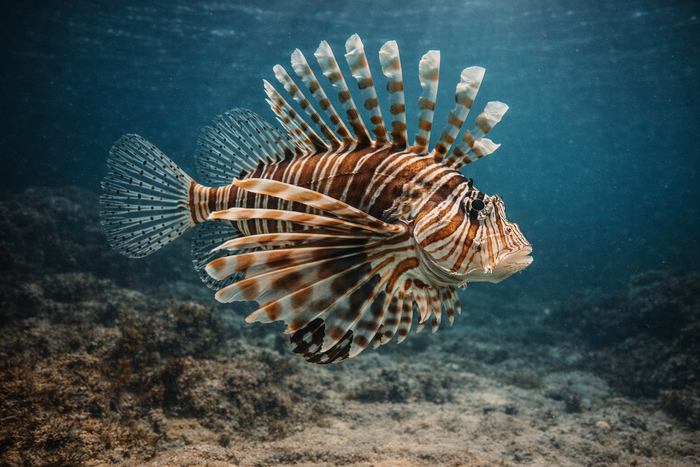
The Scorpion Fish’s claim to fame is its venomous spines—sharp, needle-like projections along its dorsal fin that pack a potent sting. This isn’t just a defensive gimmick; it’s a serious deterrent against predators and a reminder that nature doesn’t mess around. But venom alone doesn’t tell the whole story.
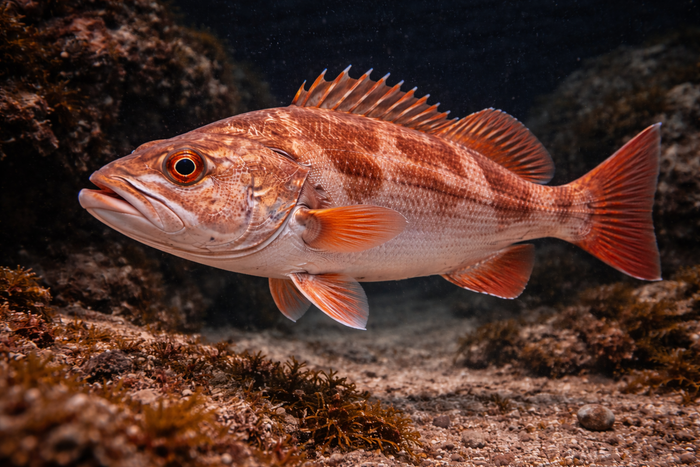
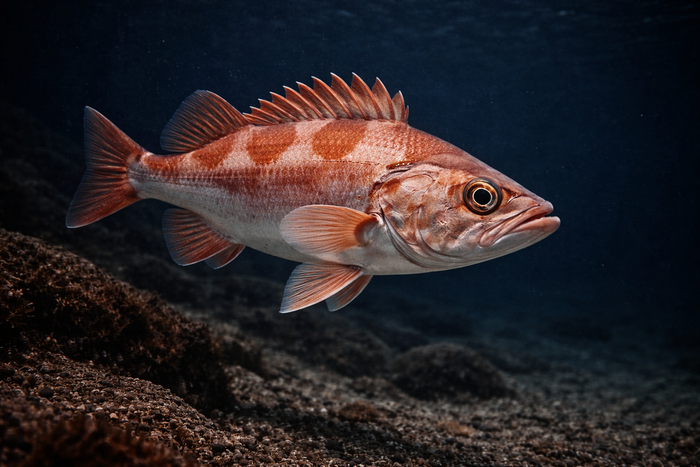
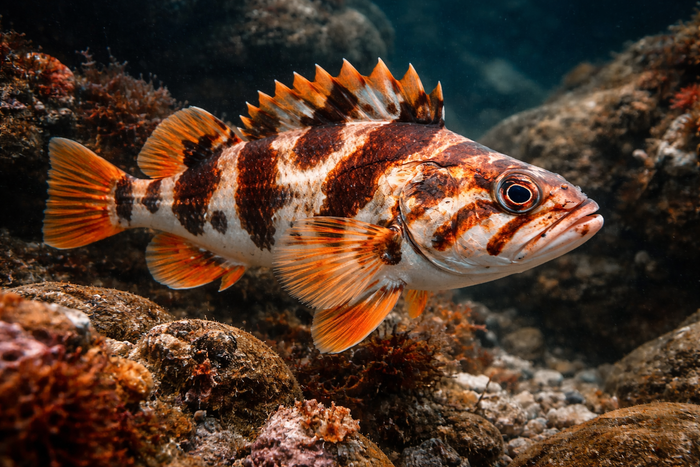
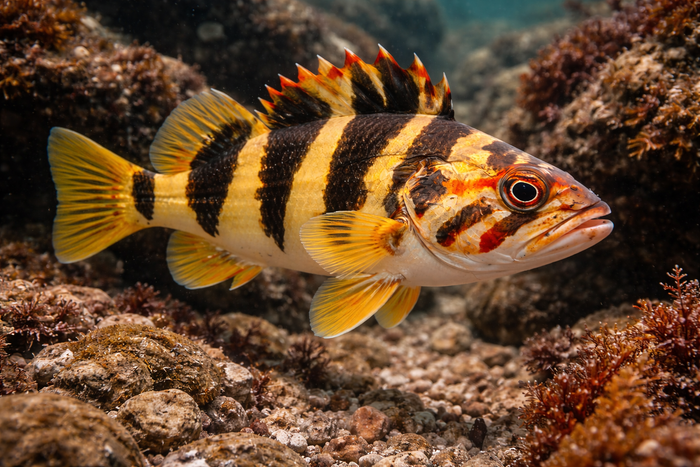
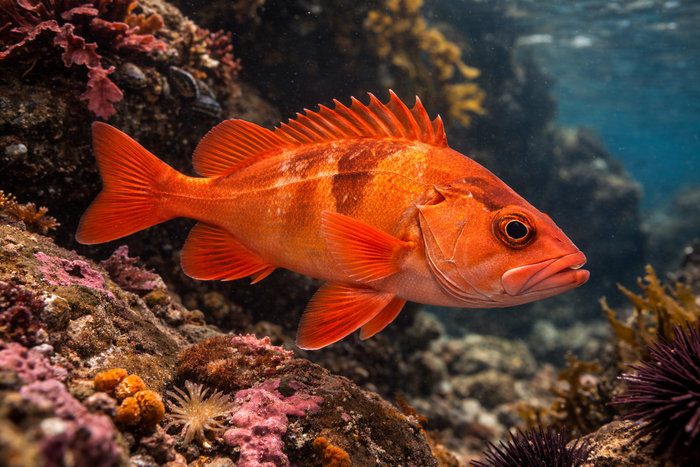
Its body is a masterpiece of disguise. Covered in mottled patterns of reds, browns, and yellows, the Scorpion Fish can vanish against rocky reefs, coral rubble, or seagrass beds. It’s a slow mover, relying on stealth rather than speed. Its large, upward-facing mouth is designed for a lightning-fast strike, sucking in unsuspecting prey like small fish and crustaceans.
Unlike many fish that rely on schooling for safety, the Scorpion Fish goes solo, using its camouflage and venom as primary defenses. Its eyes, perched high on the head, scan the environment with a predator’s precision. This fish is a textbook example of “don’t see me, don’t eat me.”
Habitat & Global Range
When it comes to Scorpion Fish habitat, Scorpaena plumieri is a creature of the tropical and subtropical western Atlantic. You’ll find it from the coast of Florida down through the Caribbean and along the northern coast of South America. It favors shallow coastal waters, typically from 1 to 30 meters deep, where it can blend into coral reefs, rocky outcrops, and sandy bottoms littered with debris.
This fish isn’t picky about hiding spots. It thrives in environments rich in crevices and nooks, perfect for ambush hunting and evading threats. The Scorpion Fish’s ability to adapt to various substrates within its range makes it a resilient resident of its marine neighborhoods.
Behavior & Temperament
The Scorpion Fish is the definition of a patient predator. It spends most of its time motionless, perched on the seafloor, waiting for prey to wander within striking distance. When the moment comes, it unleashes a rapid gulp, swallowing prey whole with minimal fuss.
Despite its venomous reputation, the Scorpion Fish is not aggressive toward divers or humans unless provoked. Its spines are a last line of defense, not a weapon of attack. However, careless handling or accidental contact can result in painful stings, so respect and caution are non-negotiable.
Socially, this species is solitary. It doesn’t form schools or pairs outside of breeding. The Scorpion Fish’s lifestyle is one of stealth and solitude, perfectly suited to its ambush tactics.
Ecological Importance
The Scorpion Fish plays a crucial role in maintaining the balance of reef ecosystems. As a mid-level predator, it helps control populations of smaller fish and invertebrates, preventing any single species from dominating the habitat. This predation pressure supports biodiversity and keeps the reef community dynamic.
Its presence also signals a healthy reef environment. Because it relies on complex habitats for camouflage and hunting, a thriving Scorpion Fish population often indicates good reef structure and water quality.
Moreover, the Scorpion Fish’s venomous spines contribute to the reef’s defense network. Predators learn to avoid these spiny fish, which indirectly protects other species sharing the same habitat.
Conservation & Environmental Pressures
While not currently listed as endangered, the Scorpion Fish faces threats common to many reef dwellers. Habitat degradation due to coral bleaching, pollution, and coastal development reduces the complexity of the environments it depends on. Overfishing and destructive fishing practices can also impact populations, either directly or by disrupting the food web.
Climate change poses a long-term threat by altering water temperatures and chemistry, potentially affecting the Scorpion Fish’s prey availability and reproductive success. The species’ reliance on specific habitats makes it vulnerable to these rapid environmental changes.
Conservation efforts aimed at protecting coral reefs and coastal habitats indirectly benefit the Scorpion Fish. Marine protected areas and sustainable fishing regulations help preserve the delicate balance necessary for this species to thrive.
The FishyAF Take
The Scorpion Fish is a masterclass in evolutionary adaptation. It’s not flashy or fast, but it doesn’t need to be. Its venomous spines and chameleon-like camouflage make it a standout survivor in the competitive reef environment. For anyone interested in Scorpion Fish facts, this species offers a compelling story of defense, patience, and ecological importance.
Respect the Scorpion Fish’s space. Admire its subtle beauty and lethal efficiency from a distance. It’s a reminder that in the underwater world, power often comes wrapped in quiet, deadly elegance. Whether you’re a diver, marine enthusiast, or just a curious reader, the Scorpion Fish demands attention—not for its size or speed, but for its bold, memorable presence in the ocean’s complex tapestry.