Tiger Rockfish (Sebastes nigrocinctus): The Striped Sentinel of the Rocky Reefs
The Tiger Rockfish is a standout among the rockfish family, instantly recognizable by its bold stripes and commanding presence. This species is a favorite for divers and anglers alike, not just for its striking appearance but also for its role in the complex ecosystems of the North Pacific. If you’re diving into Tiger Rockfish facts, prepare to meet a fish that’s as tough as it looks and just as fascinating.
What Makes the Tiger Rockfish Unique?
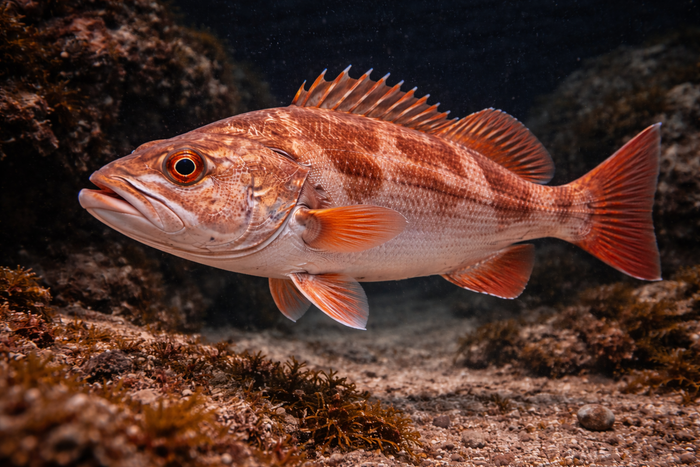
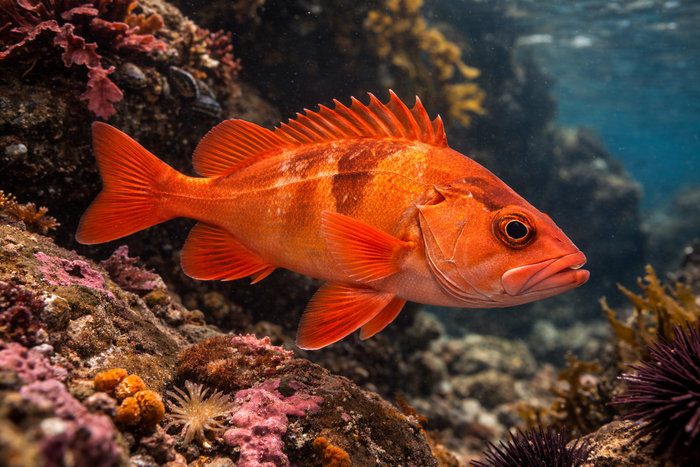
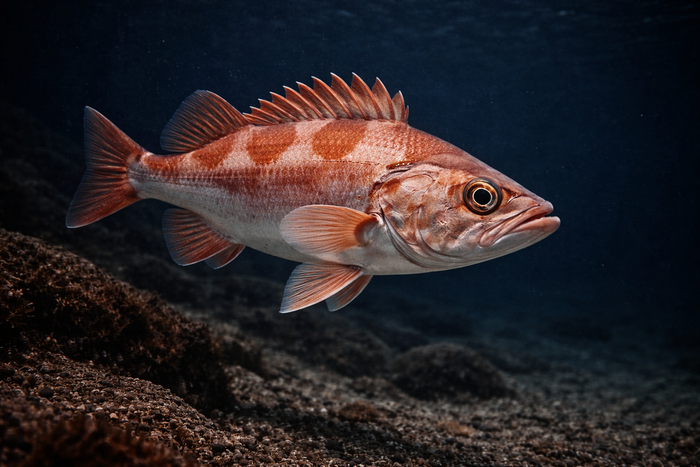
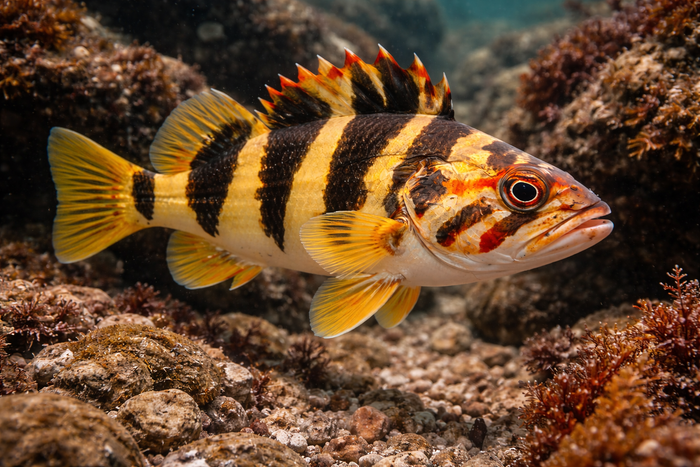
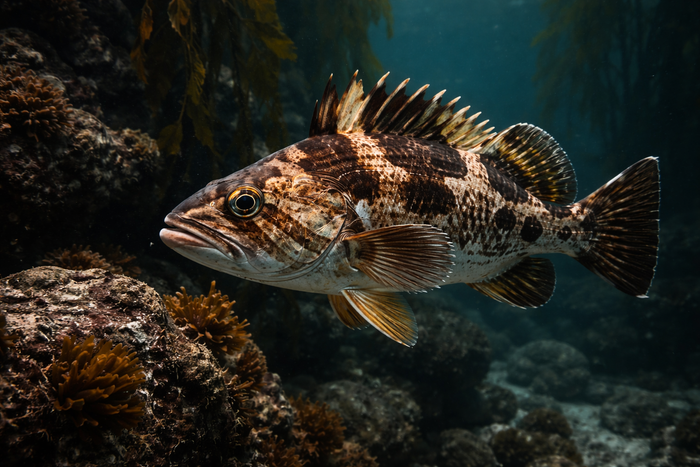
Tiger Rockfish wear their name well. Their bodies are adorned with thick, vertical black bands against a backdrop of reddish-orange, resembling a tiger’s stripes. This pattern isn’t just for show; it provides effective camouflage among the rocky reefs and kelp forests they call home. Unlike some of their more elusive relatives, Tiger Rockfish are known for their bold, somewhat territorial nature. They have stout bodies and strong spines, making them a challenging catch and a resilient survivor in their rugged environment.
One of the more intriguing Tiger Rockfish facts is their longevity. These fish can live for several decades, with some individuals reaching ages over 50 years. Their slow growth and late maturity mean they don’t rush into the breeding game, which has implications for their population dynamics and conservation.
Habitat & Global Range
Tiger Rockfish habitat is primarily along the Pacific coast of North America, stretching from the Gulf of Alaska down to central California. They prefer rocky reefs and underwater structures where they can hide, hunt, and stake out territory. Depth-wise, they are versatile but tend to favor waters between 30 and 200 meters deep, often lurking near ledges, crevices, and boulder fields.
Their preference for complex habitats means they thrive in areas rich with kelp and other marine vegetation, which supports a diverse food web. This habitat choice also makes them a favorite subject for underwater photographers and divers who appreciate the vibrant marine life of these coastal ecosystems.
Behavior & Temperament
Tiger Rockfish are not your shy, darting reef dwellers. They exhibit a confident, sometimes aggressive temperament, defending their chosen spots with vigor. They are solitary hunters, relying on ambush tactics to capture prey such as smaller fish, crabs, and other crustaceans. Their strong jaws and sharp teeth make quick work of these meals.
During spawning, Tiger Rockfish exhibit interesting reproductive behavior. They are ovoviviparous, meaning females give birth to live young rather than laying eggs. This strategy increases the survival chances of their offspring in the challenging marine environment.
Their territorial nature means they often maintain and defend a specific home range, which can lead to intense interactions with other rockfish species or intruders. This behavior, combined with their longevity, makes them a stable presence in their ecosystem but also vulnerable to overfishing if not managed properly.
Ecological Importance
Tiger Rockfish play a critical role in the balance of their marine ecosystems. As mid-level predators, they help regulate populations of smaller fish and invertebrates, maintaining the health and diversity of reef communities. Their presence supports the intricate food webs that sustain larger predators, including marine mammals and birds.
Moreover, their preference for complex habitats means they contribute to the biodiversity of kelp forest ecosystems. By occupying specific niches, they help prevent any one species from dominating, promoting a dynamic and resilient environment.
Conservation & Environmental Pressures
Despite their robust appearance, Tiger Rockfish face significant conservation challenges. Their slow growth and late maturity make population recovery a slow process once numbers decline. Overfishing, especially from recreational and commercial fisheries, has historically impacted their populations.
Habitat degradation also poses a threat. Coastal development, pollution, and climate change affect the quality of the rocky reefs and kelp forests they depend on. Ocean acidification and warming waters can alter prey availability and disrupt breeding cycles.
Fisheries management has recognized these pressures, implementing size limits, seasonal closures, and protected areas to help sustain Tiger Rockfish populations. Continued monitoring and habitat protection are essential to ensure these striped predators remain a fixture of the Pacific coast.
The FishyAF Take
Tiger Rockfish are a prime example of nature’s bold artistry and ecological complexity. Their striking stripes are more than a fashion statement—they’re a survival tool in a tough underwater world. Understanding Tiger Rockfish facts means appreciating their slow, steady life strategy and the delicate balance they maintain in their habitat.
For anglers and divers, encountering a Tiger Rockfish is a reminder of the ocean’s wild character and the importance of responsible stewardship. These fish don’t just survive; they command their rocky realms with a quiet confidence that demands respect. Protecting their habitat and managing their populations isn’t just good science—it’s essential for keeping the Pacific’s underwater landscapes vibrant and alive.
In short, the Tiger Rockfish is a species that deserves attention, admiration, and careful conservation. They’re not just another fish on the line or a pretty face in the reef—they’re a key player in one of the ocean’s most dynamic communities.