Bocaccio (Sebastes paucispinis): The Pacific Rockfish That Commands Respect
The Bocaccio is not your average rockfish. With a name that sounds like a fancy Italian dish but a reputation that’s all about rugged survival, this species stands out in the crowded underwater world of the Pacific coast. Known scientifically as Sebastes paucispinis, the Bocaccio is a key player in marine ecosystems and a favorite target for anglers who know their stuff. This guide dives into the essential Bocaccio facts, from its unique traits to its critical role in ocean health and the challenges it faces today.
What Makes the Bocaccio Unique?
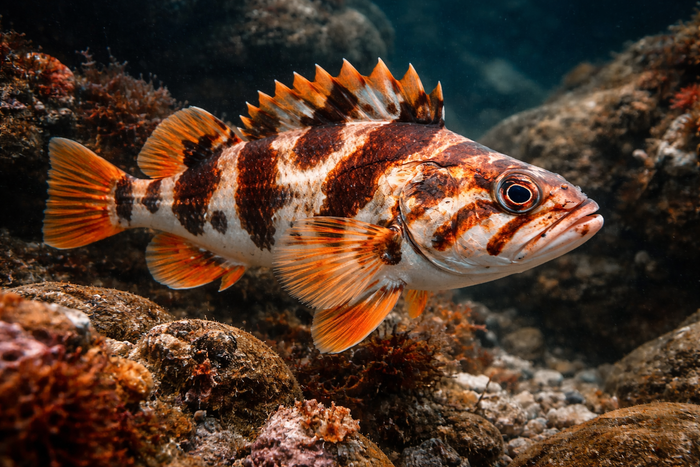
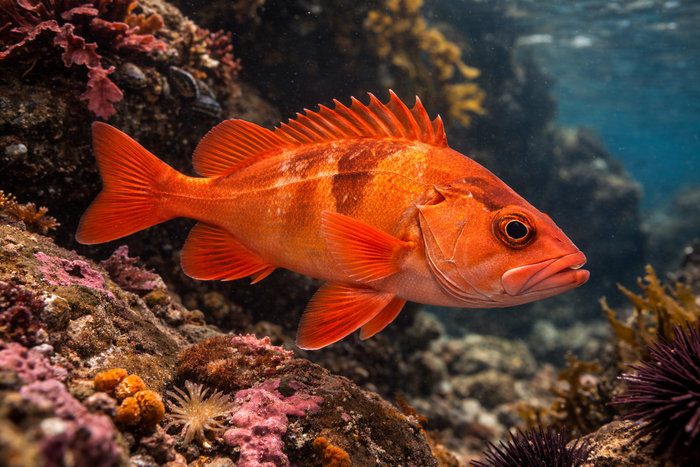
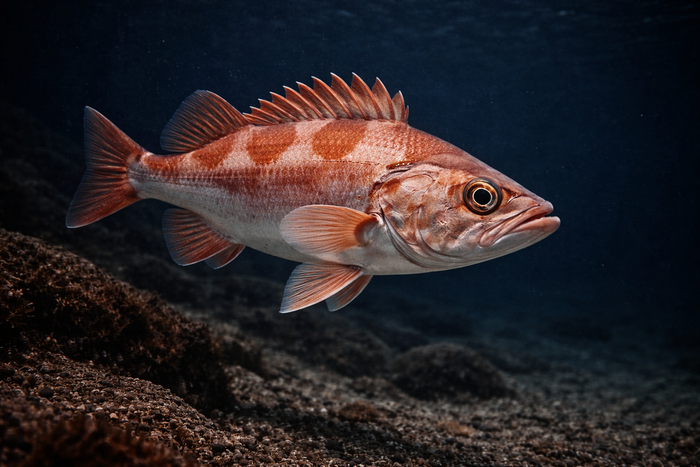
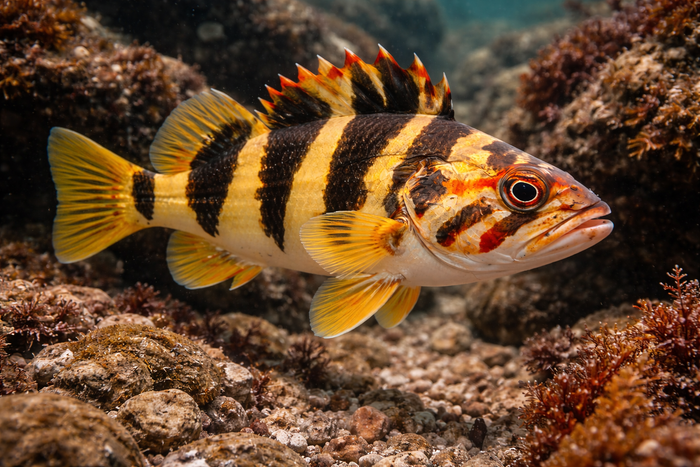
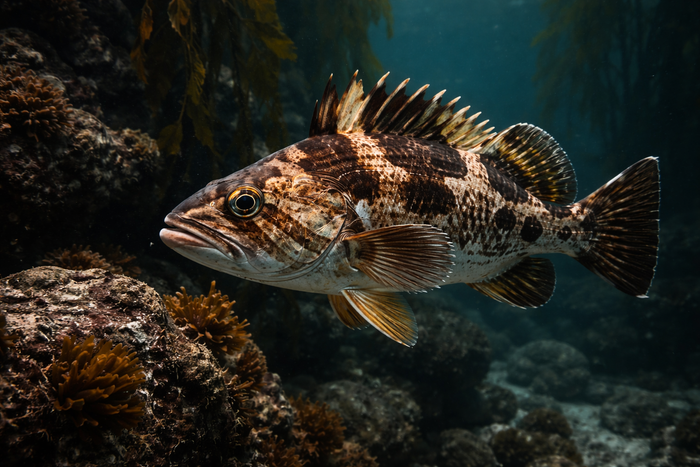
Bocaccio rockfish are built for endurance and stealth. Unlike many of their rockfish cousins, Bocaccio can grow impressively large, with some individuals reaching lengths over three feet. Their elongated bodies and large mouths give them a predatory edge, allowing them to snap up a variety of prey, including smaller fish and crustaceans. Their coloration varies from reddish to brownish hues, often with a subtle mottled pattern that helps them blend into rocky reefs and kelp forests.
One standout feature is their long lifespan. Bocaccio can live for decades, which is a double-edged sword: it means they have plenty of time to reproduce, but it also makes their populations vulnerable to overfishing since recovery is slow. They are ovoviviparous, meaning females give birth to live young rather than laying eggs, a reproductive strategy that adds another layer of complexity to their life cycle.
Habitat & Global Range
The Bocaccio’s habitat is a classic Pacific Northwest story. They are native to the northeastern Pacific Ocean, ranging from Baja California in Mexico all the way up to Alaska. Their preferred Bocaccio habitat includes rocky reefs, kelp forests, and deep underwater structures where they can find shelter and ambush prey.
These fish are versatile in depth preference, commonly found from shallow waters around 20 feet down to depths exceeding 1,000 feet. Juveniles often hang out in shallower kelp beds, which provide protection from predators and abundant food sources. Adults tend to move deeper, occupying complex rocky habitats that offer both cover and hunting grounds.
Behavior & Temperament
Bocaccio are ambush predators with a calm but calculated approach. They don’t chase prey over long distances but instead rely on stealth and quick bursts of speed. Their large eyes are adapted for low-light conditions, making them efficient hunters in dimly lit underwater environments.
Socially, Bocaccio are somewhat solitary but can be found in loose aggregations, especially during spawning seasons. They exhibit site fidelity, meaning they tend to stick to specific home ranges rather than roaming widely. This behavior makes them more susceptible to localized fishing pressure but also easier to monitor for conservation efforts.
Ecological Importance
Bocaccio rockfish play a crucial role in maintaining the balance of nearshore marine ecosystems. As mid-level predators, they help control populations of smaller fish and invertebrates, preventing any one species from dominating the food web. Their presence supports the health of kelp forests, which are biodiversity hotspots and vital carbon sinks.
Moreover, Bocaccio serve as prey for larger predators such as lingcod, sharks, and marine mammals. This positions them as a key link in the food chain, transferring energy from lower trophic levels up to apex predators. Their long lifespan and slow reproductive rate mean that healthy Bocaccio populations are indicators of a stable, well-functioning marine environment.
Conservation & Environmental Pressures
Despite their resilience, Bocaccio populations have taken a hit over the past few decades. Overfishing is the primary threat, driven by their desirability as a food fish and their accessibility to commercial and recreational fisheries. Their slow growth and late maturity mean that heavy fishing pressure can decimate populations faster than they can rebound.
Habitat degradation also plays a role. Coastal development, pollution, and climate change impact the kelp forests and rocky reefs that Bocaccio depend on. Ocean warming and acidification threaten the entire ecosystem, potentially altering prey availability and habitat suitability.
Conservation measures have been implemented in various regions, including catch limits, seasonal closures, and marine protected areas. These efforts aim to balance human use with the species’ long-term survival. Monitoring and adaptive management remain critical, as the Bocaccio’s slow reproductive cycle demands patience and precision in conservation strategies.
The FishyAF Take
The Bocaccio is a rockfish that commands respect—not just for its size and longevity but for its ecological significance and the challenges it faces. If you’re serious about understanding Pacific marine life, knowing Bocaccio facts is non-negotiable. This species embodies the complex interplay between predator and prey, habitat and survival, human impact and conservation.
For anglers, the Bocaccio offers a rewarding catch, but it’s a reminder that patience and responsibility go hand in hand with fishing. For conservationists, it’s a call to action to protect a species that’s both a symbol and a sentinel of ocean health. The Bocaccio isn’t just another fish; it’s a bold, memorable presence in the Pacific’s underwater drama—and it deserves to be treated as such.