Quillback Rockfish (Sebastes maliger): The Spiky Sentinel of the Pacific Depths
The Quillback Rockfish is no wallflower of the underwater world. With its striking spiny dorsal fins and bold coloration, this species commands attention from both anglers and marine biologists alike. Known scientifically as Sebastes maliger, the Quillback is a standout member of the rockfish family, boasting a combination of longevity, resilience, and distinct physical traits that make it a fascinating subject for anyone interested in marine life. This guide dives into the essential Quillback Rockfish facts, from its unique biology to its role in the ecosystem and the challenges it faces today.
What Makes the Quillback Rockfish Unique?
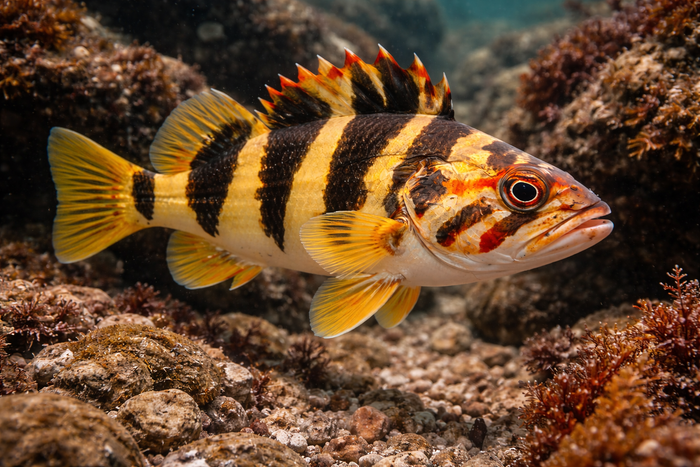
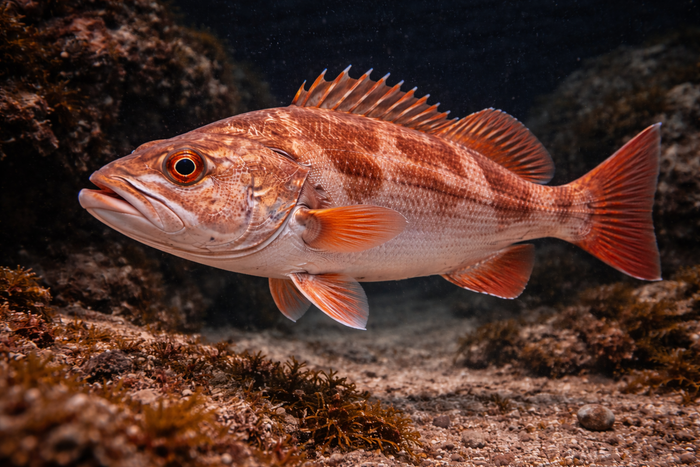
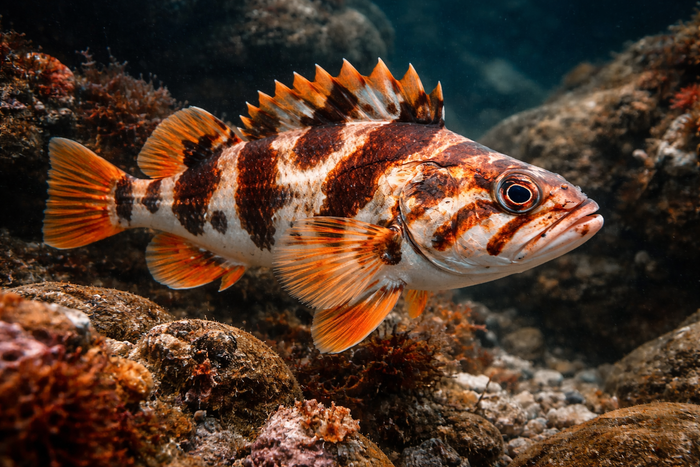
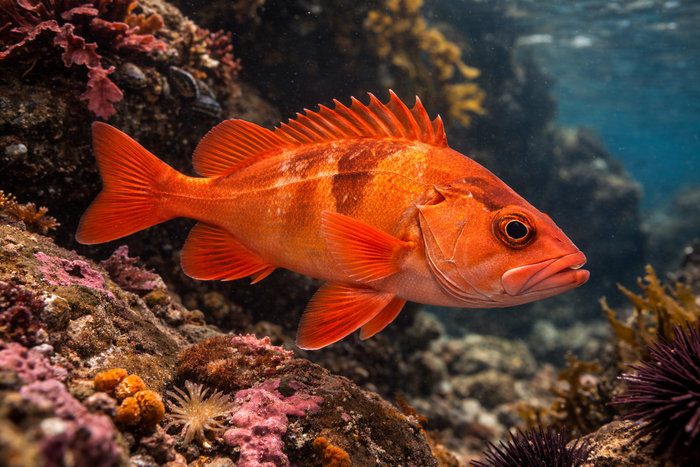
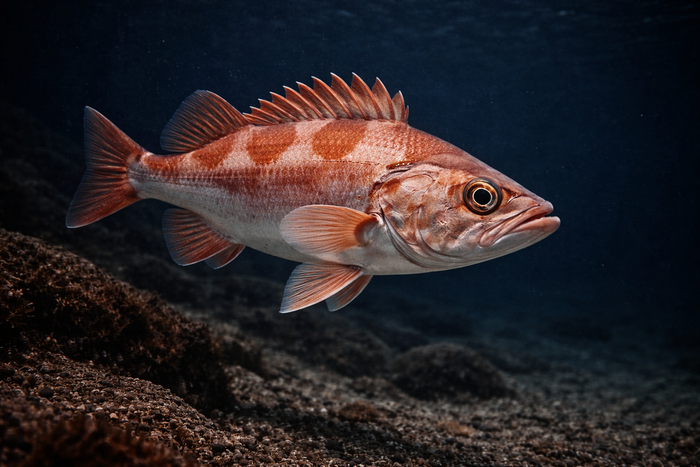
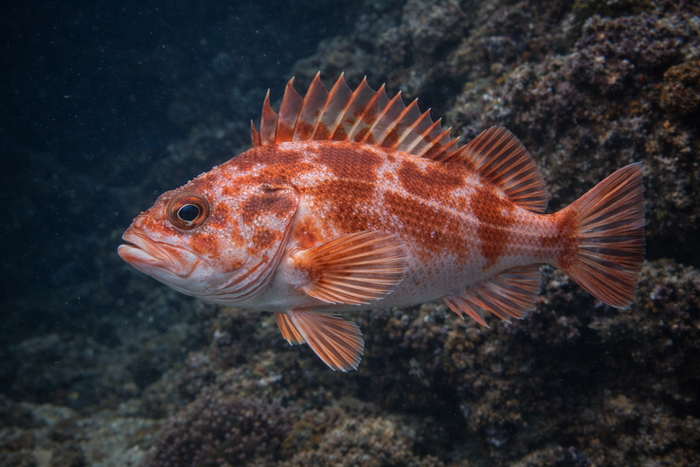
If you think all rockfish look alike, think again. The Quillback Rockfish sets itself apart with a series of long, sharp spines along its dorsal fin that resemble quills—hence the name. These spines aren’t just for show; they serve as a formidable defense mechanism against predators. Its body sports a palette of rusty orange, red, and brown hues, often marked with darker blotches, giving it a camouflaged edge against rocky seafloors.
Beyond its appearance, the Quillback is notable for its impressive lifespan, often reaching 70 years or more. This longevity is paired with a slow growth rate and late maturity, traits that make the species particularly vulnerable to overfishing and environmental changes. Unlike some fast-breeding fish, the Quillback invests heavily in survival over rapid reproduction, a strategy that has worked for millennia but now demands careful management.
Habitat & Global Range
Quillback Rockfish are native to the northeastern Pacific Ocean, stretching from the cold waters off Alaska down to central California. Their preferred Quillback Rockfish habitat is rocky reefs and kelp forests, where they can find ample shelter and food. These fish are bottom dwellers, typically found at depths ranging from 10 to 150 meters, though they can venture deeper.
The complex structure of rocky substrates and kelp beds provides the perfect environment for the Quillback to hunt and hide. They rely on these habitats not just for protection but also for the abundance of prey species like small fish, crustaceans, and various invertebrates. The health of these habitats directly influences Quillback populations, making habitat preservation a critical piece of the conservation puzzle.
Behavior & Temperament
Quillback Rockfish are generally solitary creatures, often seen perched motionless on rocks or hovering near crevices. Their behavior is a mix of cautious and opportunistic. They use their spines defensively but are not aggressive hunters. Instead, they rely on ambush tactics, waiting for prey to come close before striking.
These fish are slow movers, conserving energy in the cold, nutrient-rich waters they inhabit. Their temperament is calm but wary, making them a challenge for anglers who prize them for their fight once hooked. Quillbacks are also known for their site fidelity, often sticking close to a particular reef or kelp patch for years, which underscores the importance of localized habitat conditions for their survival.
Ecological Importance
Quillback Rockfish play a vital role in the marine ecosystems of the Pacific Northwest. As mid-level predators, they help regulate populations of smaller fish and invertebrates, maintaining a balanced food web. Their presence supports the health of kelp forest communities by controlling species that might otherwise overgraze or disrupt the habitat.
Moreover, Quillbacks serve as prey for larger fish, marine mammals, and seabirds, making them a crucial link in the oceanic food chain. Their long lifespan and stable populations historically contributed to ecosystem resilience, but shifts in their numbers can signal broader environmental changes, making them an important indicator species for marine health.
Conservation & Environmental Pressures
Despite their hardiness, Quillback Rockfish face significant threats. Overfishing has historically depleted many rockfish populations, including Quillbacks, due to their slow growth and late maturity. These traits mean recovery from population declines is painfully slow.
Habitat degradation is another major concern. Coastal development, pollution, and climate change are altering the kelp forests and rocky reefs that Quillbacks depend on. Ocean warming and acidification can disrupt prey availability and reproductive success, compounding the pressure on already vulnerable populations.
Conservation efforts have ramped up in recent years, with fishing regulations, marine protected areas, and habitat restoration projects aimed at giving Quillback populations a fighting chance. Sustainable fishing practices and ongoing research into their biology and ecology are essential to ensure this species remains a fixture of the Pacific marine landscape.
The FishyAF Take
The Quillback Rockfish is a prime example of nature’s balance between beauty and resilience. Its spiny armor and vibrant colors make it a memorable sight, but its slow life history reminds us that not all fish can bounce back from human impacts overnight. Understanding Quillback Rockfish facts and habitat needs is crucial for anyone invested in the future of Pacific marine ecosystems.
This species demands respect—not just for its role in the food web but as a symbol of the delicate interplay between ocean life and environmental stewardship. If you want to see a rockfish that’s as bold in appearance as it is in survival strategy, the Quillback is your go-to. Protecting it means protecting a piece of the Pacific’s underwater heritage.