Rose Fish (Helicolenus dactylopterus): The Spiny Sentinel of the Deep
Meet the Rose Fish, a spiny, slow-moving predator that’s as tough as it is intriguing. Known scientifically as Helicolenus dactylopterus, this species commands attention with its vivid reddish hues and robust armor of venomous spines. It’s not your average bottom dweller; the Rose Fish is a master of camouflage and ambush, thriving in rocky, deep-water environments. If you’re after Rose Fish facts that go beyond the surface, you’re in the right place.
What Makes the Rose Fish Unique?
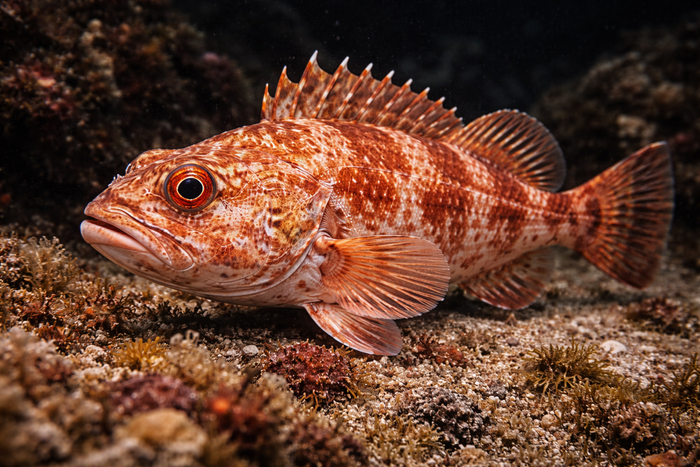
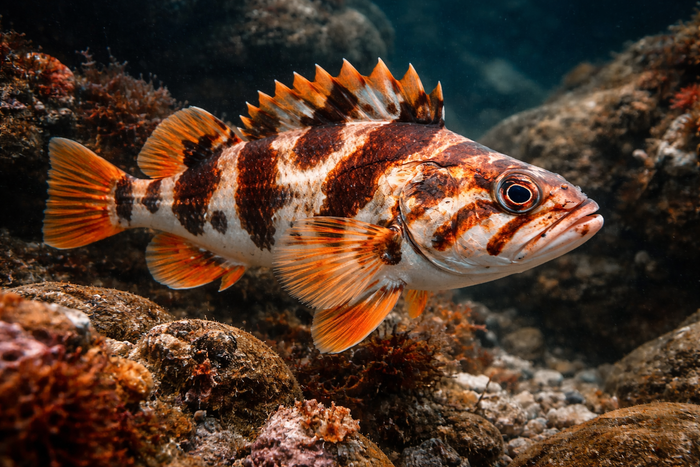
The Rose Fish stands out with its combination of physical defenses and predatory finesse. Its body is covered in thick, rough scales and armed with sharp, venomous spines along the dorsal fin—nature’s built-in deterrent against predators. Unlike many fast-swimming fish, the Rose Fish prefers a sit-and-wait hunting style, relying on stealth rather than speed.
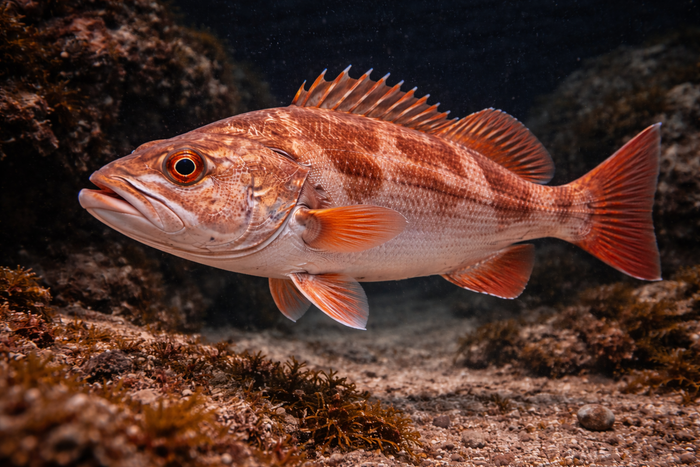
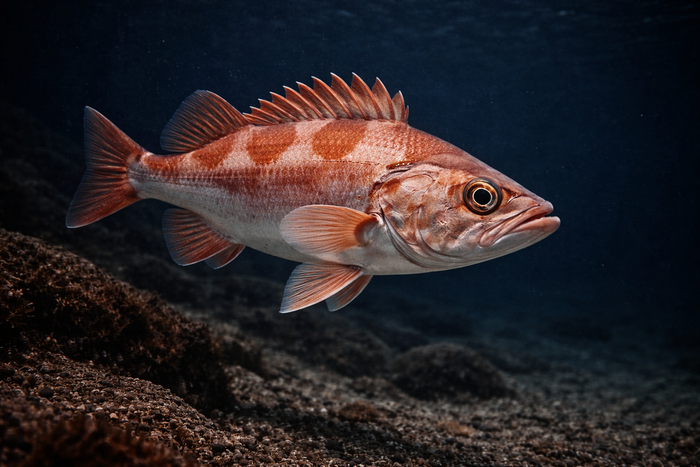
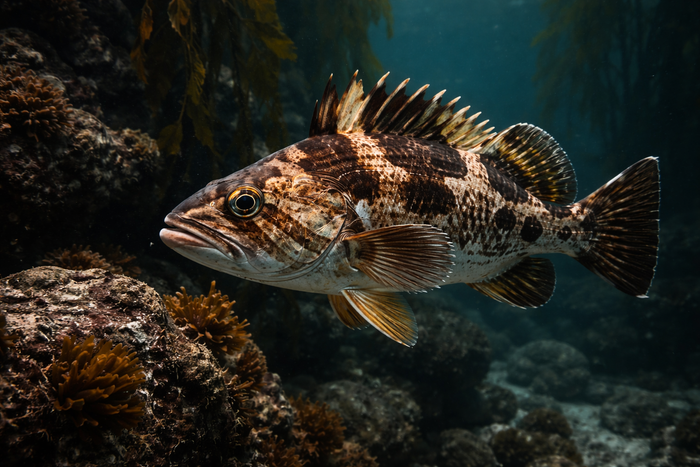
Its coloration varies from deep rose to rusty red, often mottled with darker patches that blend perfectly with rocky seabeds and coral rubble. This camouflage is not just for show; it’s essential for ambushing prey such as small fish, crustaceans, and cephalopods. The Rose Fish’s large, upward-facing eyes give it excellent vision in dim, deep waters, making it a formidable nocturnal hunter.
Another standout feature is its reproductive strategy. Rose Fish are ovoviviparous, meaning females carry fertilized eggs inside their bodies until they hatch, releasing live larvae into the water. This method increases offspring survival rates in the challenging deep-sea environment.
Habitat & Global Range
Rose Fish habitat spans the temperate and subtropical waters of the eastern Atlantic Ocean and the Mediterranean Sea. They prefer depths ranging from 50 to over 700 meters, often found near rocky outcrops, underwater cliffs, and continental shelf edges. These environments provide ample hiding spots and hunting grounds.
Their range extends from the cooler waters off Norway and the British Isles down to the warmer coasts of North Africa and the Canary Islands. The Mediterranean populations are particularly well-studied, where Rose Fish occupy complex benthic habitats rich in biodiversity.
This species is a bottom-dweller, rarely venturing into open water. The rocky, uneven terrain of their habitat is crucial for their survival, offering both shelter and a steady supply of prey. Understanding Rose Fish habitat is key to grasping their ecological role and the challenges they face.
Behavior & Temperament
Rose Fish are solitary and territorial, rarely seen in large groups. Their slow, deliberate movements and reliance on camouflage make them masters of ambush predation. They lie in wait, motionless for long periods, before striking with precision.
Despite their venomous spines, Rose Fish are not aggressive toward humans but will defend themselves if threatened. Their spines can deliver painful wounds, so handling requires caution.
Their feeding behavior is opportunistic. They consume a variety of prey, adapting to what’s available in their environment. This dietary flexibility helps them survive in the fluctuating conditions of deep-sea habitats.
Rose Fish are also known for their relatively long lifespan and slow growth rates. These traits, combined with their reproductive strategy, mean populations can be vulnerable to overfishing and environmental changes.
Ecological Importance
Rose Fish play a vital role in maintaining the balance of benthic ecosystems. As mid-level predators, they help control populations of smaller fish and invertebrates, preventing any one species from dominating the habitat.
Their presence indicates a healthy, complex ecosystem with sufficient structural diversity. Because they rely on rocky substrates and deep-water habitats, Rose Fish can serve as bioindicators for the health of these environments.
Moreover, their role as prey for larger predators links them to higher trophic levels, contributing to the overall food web stability. Disruptions to Rose Fish populations can ripple through the ecosystem, affecting species diversity and abundance.
Conservation & Environmental Pressures
Despite their resilience, Rose Fish face significant threats from human activities. Deep-sea trawling and bottom fishing are the biggest culprits, as these methods destroy the rocky habitats Rose Fish depend on and directly reduce their numbers.
Their slow growth and low reproductive rates mean that populations recover slowly from overexploitation. In some regions, Rose Fish stocks have declined noticeably, raising concerns about long-term sustainability.
Pollution and climate change add further pressure. Changes in water temperature and chemistry can alter prey availability and habitat conditions, challenging the Rose Fish’s adaptability.
Conservation efforts require better management of deep-sea fisheries and protection of critical habitats. Monitoring Rose Fish populations and enforcing sustainable fishing practices are essential steps to prevent further decline.
The FishyAF Take
The Rose Fish is a fascinating example of evolutionary adaptation to a tough, deep-water lifestyle. Its spiny armor, ambush tactics, and reproductive quirks make it a standout species among benthic predators. But this slow-growing, habitat-specific fish is not invincible.
Understanding Rose Fish facts and habitat is more than an academic exercise. It’s a call to action for better stewardship of deep-sea ecosystems. These fish may not be flashy or fast, but they are crucial players in their underwater world. Protecting them means preserving the intricate balance of life on the ocean floor.
If you want a fish that’s equal parts badass and biologically intriguing, the Rose Fish deserves a spot on your radar. Just remember: respect the spines, respect the habitat, and respect the role this species plays in the deep.