Black Belly Rose Fish (Helicolenus dactylopterus): The Spiny Predator with a Flair for the Dramatic
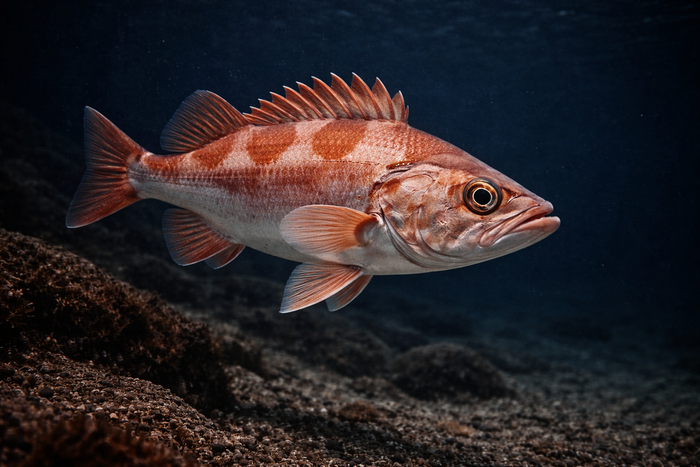
The Black Belly Rose Fish is no wallflower of the deep. Sporting a striking combination of vivid reds and a contrasting dark belly, this species commands attention both visually and ecologically. Known scientifically as Helicolenus dactylopterus, it’s a member of the scorpionfish family, equipped with venomous spines and a predatory edge that makes it a fascinating subject for anglers, researchers, and marine enthusiasts alike. This guide dives into the key Black Belly Rose Fish facts you need to know, from its unique biology to its role in the ocean’s complex food web.
What Makes the Black Belly Rose Fish Unique?
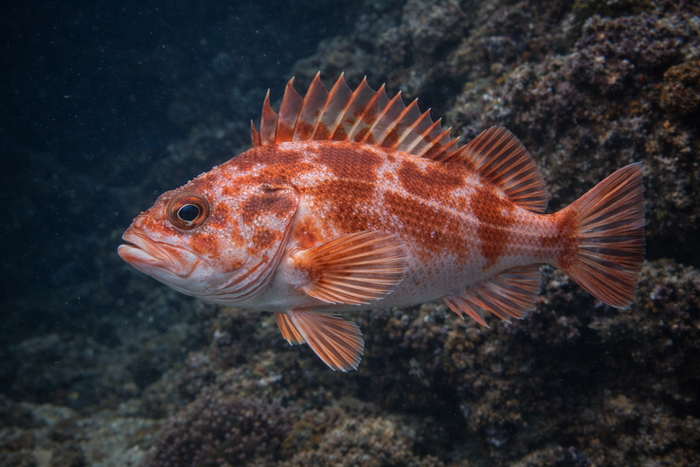
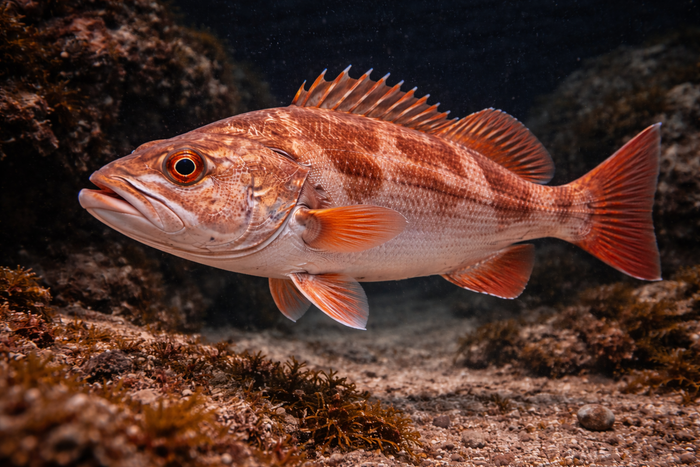
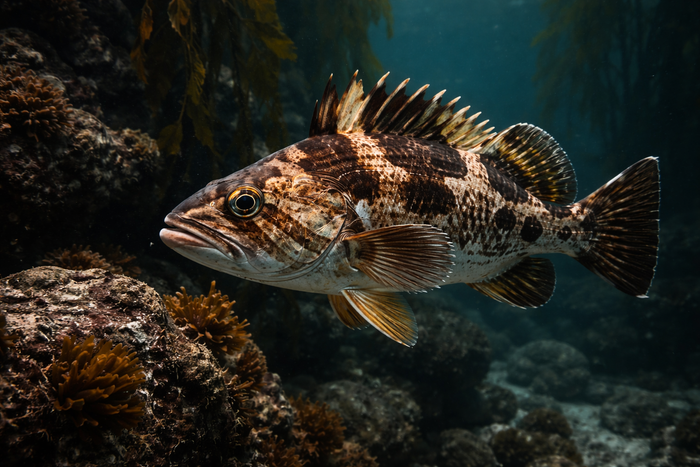
The Black Belly Rose Fish stands out for several reasons. First, its appearance is a bold statement: a rose-red body contrasted sharply by a black belly, giving it a dramatic silhouette against the ocean floor. This coloration isn’t just for show—it serves as camouflage among rocky reefs and shadowy crevices.
Physiologically, it’s armed with venomous dorsal spines, a defense mechanism that deters predators and demands respect from anyone handling it. Unlike many fish, it has a robust, somewhat compressed body and large, fleshy lips that hint at its predatory lifestyle.
Reproductively, the Black Belly Rose Fish exhibits internal fertilization, an uncommon trait among many fish species. Females carry fertilized eggs internally before releasing larvae into the water column, which increases offspring survival rates—a clever evolutionary strategy.
Habitat & Global Range
Black Belly Rose Fish habitat spans temperate to subtropical waters of the eastern Atlantic Ocean and parts of the Mediterranean Sea. They prefer rocky bottoms, reefs, and continental shelf areas, typically found at depths ranging from 50 to 700 meters. This depth range places them in a zone where light fades but food sources remain abundant.
Their distribution stretches from the waters off southern Europe and North Africa down to the coasts of West Africa. This broad range reflects their adaptability to varying temperatures and underwater landscapes, but always with a preference for structured habitats that offer shelter and hunting grounds.
Behavior & Temperament
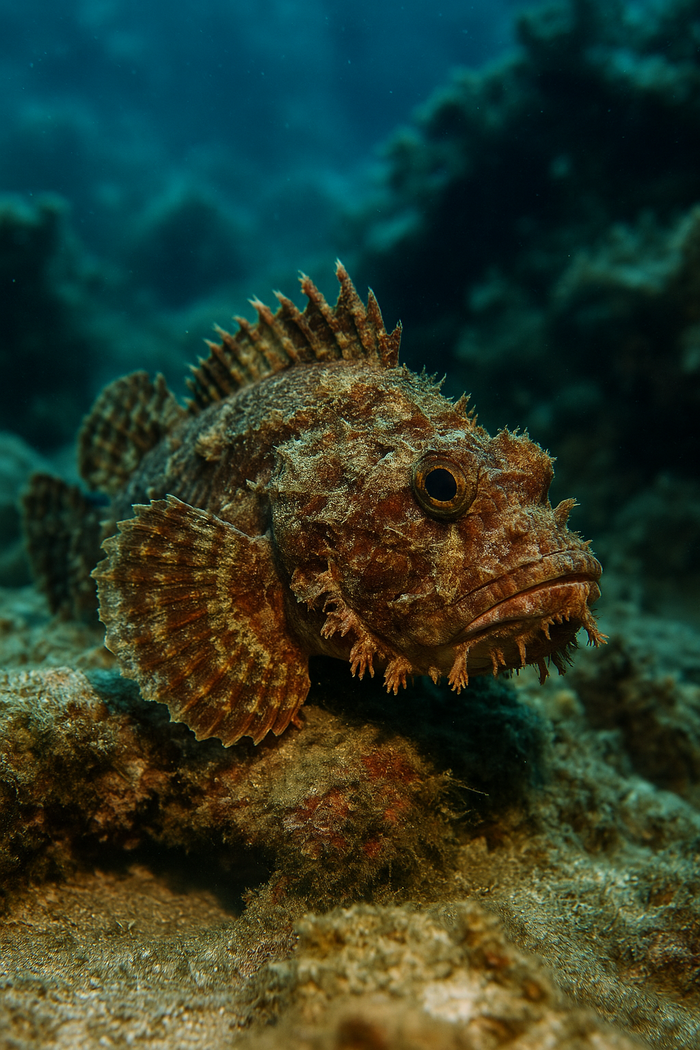
This species is a classic ambush predator. It relies on stealth and patience, often lying motionless on the seabed, blending into its surroundings until unsuspecting prey ventures close. Its diet mainly consists of smaller fish, crustaceans, and cephalopods, which it captures with sudden bursts of speed.
Despite its venomous spines, the Black Belly Rose Fish is not aggressive toward humans unless provoked or handled carelessly. It’s a solitary creature, rarely seen in large groups, which aligns with its territorial and predatory nature.
Ecological Importance
The Black Belly Rose Fish plays a pivotal role in maintaining the balance of benthic ecosystems. As a mid-level predator, it helps regulate populations of smaller fish and invertebrates, preventing any one species from dominating the habitat. This control supports biodiversity and the overall health of reef and rocky bottom communities.
Additionally, it serves as prey for larger predatory fish and marine mammals, linking lower and higher trophic levels. Its presence indicates a relatively healthy ecosystem, as it requires stable habitats and sufficient prey to thrive.
Conservation & Environmental Pressures
While not currently classified as endangered, the Black Belly Rose Fish faces pressures from overfishing and habitat degradation. It is often caught as bycatch in trawl fisheries targeting other species, and its slow growth and late maturity make populations vulnerable to overexploitation.
Habitat destruction, particularly from bottom trawling and coastal development, threatens the rocky and reef environments this species depends on. Pollution and climate change also pose risks by altering water temperatures and oxygen levels, potentially disrupting breeding and feeding behaviors.
Sustainable fishing practices and habitat protection are critical to ensuring the Black Belly Rose Fish remains a thriving component of marine biodiversity.
The FishyAF Take
The Black Belly Rose Fish is a prime example of nature’s blend of beauty and brutality. Its striking appearance masks a fierce predator that commands respect in its underwater domain. Understanding Black Belly Rose Fish facts and habitat nuances reveals a species finely tuned to its environment but vulnerable to human impacts.
For anglers and marine biologists, it’s a species that demands careful handling and thoughtful conservation. Its venomous spines are a warning, not just to predators but to us—respect the fish, respect the ecosystem. The Black Belly Rose Fish isn’t just another catch; it’s a vital player in the ocean’s intricate drama, deserving of attention and protection.