Lion Fish (Pterois volitans): The Venomous Showstopper of the Reef
The Lion Fish is not your average reef dweller. With its flamboyant fins and striking stripes, it commands attention wherever it goes. But don’t be fooled by its beauty—this fish packs venomous spines that make it a formidable presence beneath the waves. Known scientifically as Pterois volitans, the Lion Fish has become a symbol of both natural wonder and ecological challenge. This guide dives deep into what makes the Lion Fish a standout species, its habitat, behavior, and the impact it has on marine ecosystems.
What Makes the Lion Fish Unique?
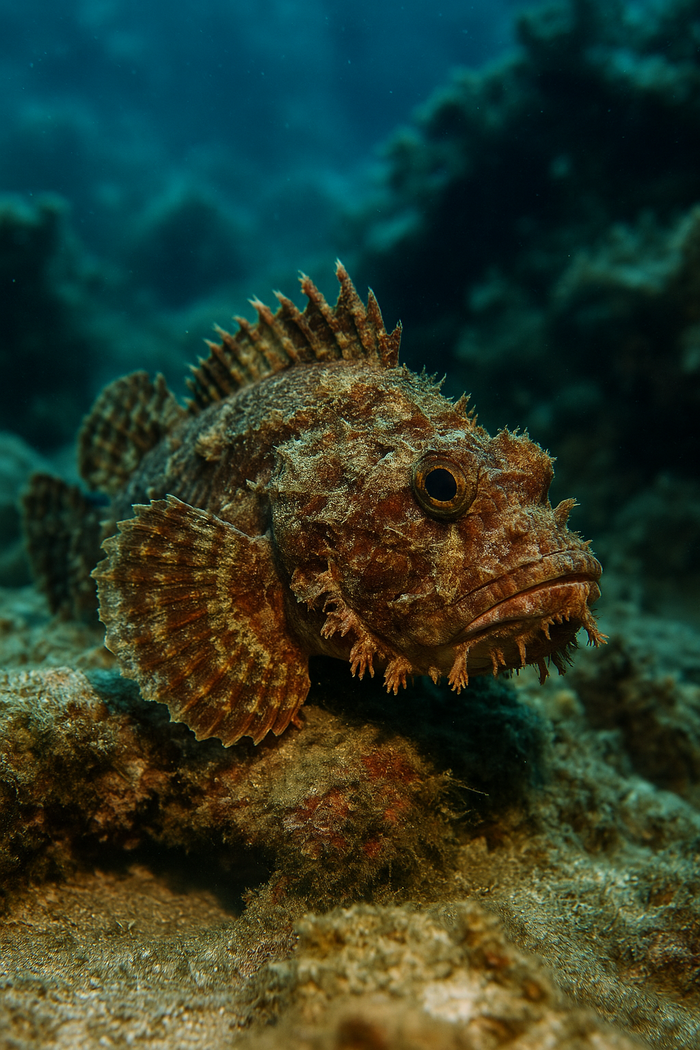
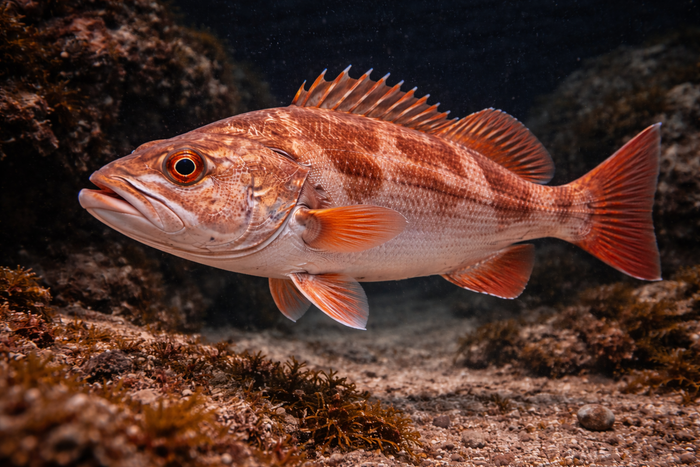
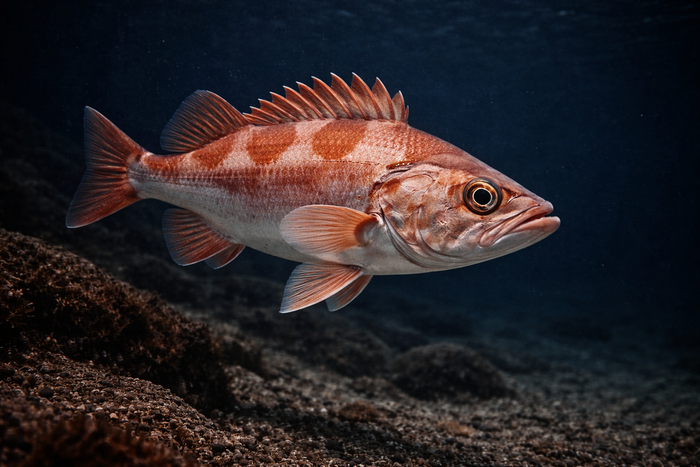
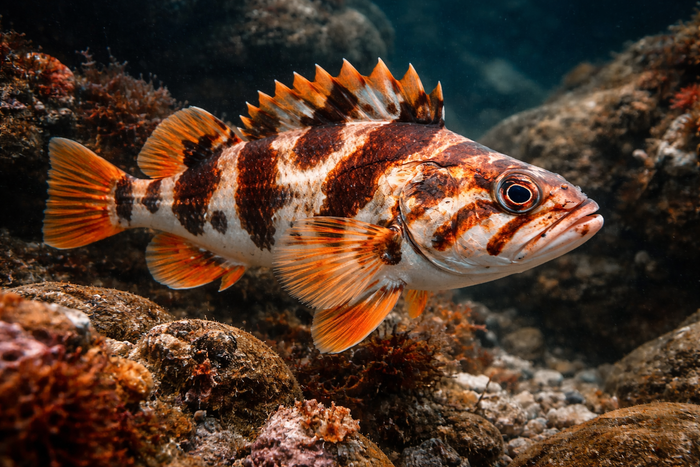
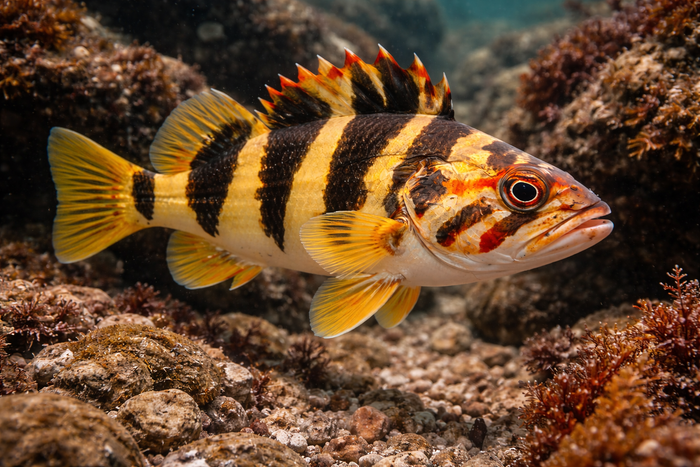
The Lion Fish is a masterclass in evolutionary showmanship. Its long, fan-like pectoral fins and venomous dorsal spines are not just for show—they serve as both a defense mechanism and a hunting tool. The venom can cause intense pain and swelling in humans, a warning sign to potential predators. Visually, the alternating bands of red, white, and brown create a hypnotic pattern that breaks up its outline, aiding in camouflage among coral and rocky crevices.
Unlike many reef fish, the Lion Fish uses a slow, deliberate stalking approach to hunting. It corrals prey with its expansive fins before striking with lightning speed. Its diet consists mainly of small fish and invertebrates, but it’s the way it hunts—strategically and patiently—that sets it apart.
Habitat & Global Range
Originally native to the Indo-Pacific region, the Lion Fish’s habitat spans coral reefs, rocky outcrops, and lagoons. It thrives in warm, shallow waters, typically between 1 and 50 meters deep. The complexity of coral reefs offers the perfect backdrop for its ambush tactics and provides ample hiding spots.
However, the Lion Fish’s story took a dramatic turn when it was introduced—accidentally or otherwise—into the Atlantic Ocean and the Caribbean Sea. Here, it has become an invasive species, spreading rapidly along the southeastern coast of the United States, the Gulf of Mexico, and throughout the Caribbean. This expansion is largely due to its adaptability and lack of natural predators in these new environments.
Behavior & Temperament
The Lion Fish is a solitary hunter, rarely seen schooling like many other reef fish. It is territorial and uses its venomous spines as a deterrent against threats. Despite its aggressive appearance, it is not typically aggressive toward divers unless provoked or handled.
Its hunting behavior is methodical. The Lion Fish uses its fins to herd prey into confined spaces, then lunges with precision. This patient predation style, combined with its venomous defenses, makes it a top predator in its niche.
Reproduction is another area where the Lion Fish excels. Females can release tens of thousands of eggs every few days during spawning seasons, contributing to their rapid population growth, especially in non-native waters.
Ecological Importance
In its native range, the Lion Fish plays a balanced role in the reef ecosystem. It helps control populations of smaller fish and invertebrates, maintaining a dynamic equilibrium. Its presence supports the health of coral reefs by preventing any single species from dominating the ecosystem.
However, in invaded regions, the Lion Fish disrupts this balance. Its voracious appetite and rapid reproduction lead to significant declines in native fish populations. This can cascade into broader ecological consequences, including the degradation of coral reef health due to the loss of herbivorous fish that keep algae in check.
Conservation & Environmental Pressures
The Lion Fish’s invasive status in the Atlantic and Caribbean has sparked a mix of conservation and control efforts. While it is not endangered in its native habitat, its unchecked spread threatens biodiversity and fisheries in invaded areas.
Efforts to manage Lion Fish populations include organized culling, spearfishing tournaments, and promoting it as a food fish to encourage harvesting. These initiatives aim to reduce their numbers and mitigate ecological damage.
Climate change and habitat destruction also impact Lion Fish habitats globally. Coral bleaching and reef degradation threaten the complex environments that support their life cycles. Protecting these habitats is crucial not just for Lion Fish but for the entire reef community.
The FishyAF Take
The Lion Fish is a paradox wrapped in venomous spines and dazzling fins. It’s a species that demands respect for its evolutionary finesse and adaptability. But it’s also a cautionary tale about the consequences of human interference in marine ecosystems.
Understanding Lion Fish facts and their habitat is essential for anyone interested in marine biology or reef conservation. They are a reminder that beauty and danger often coexist in nature, and that balance in the ocean is delicate and worth defending.
If you’re diving in Lion Fish territory, admire from a distance. If you’re involved in conservation, recognize the complexity of managing a species that is both a native marvel and an invasive menace. The Lion Fish is here to stay, but how we respond will shape the future of reefs around the world.