Vermillion Rockfish (Sebastes miniatus): The Fiery Sentinel of the Pacific Reefs
The Vermillion Rockfish is not your average reef dweller. With its blazing red-orange body and striking presence, this species commands attention beneath the waves. Known scientifically as Sebastes miniatus, it’s a staple of the Pacific coastal ecosystems and a favorite target for anglers and divers alike. This guide dives into Vermillion Rockfish facts that reveal why this fish is both a biological marvel and an ecological cornerstone.
What Makes the Vermillion Rockfish Unique?
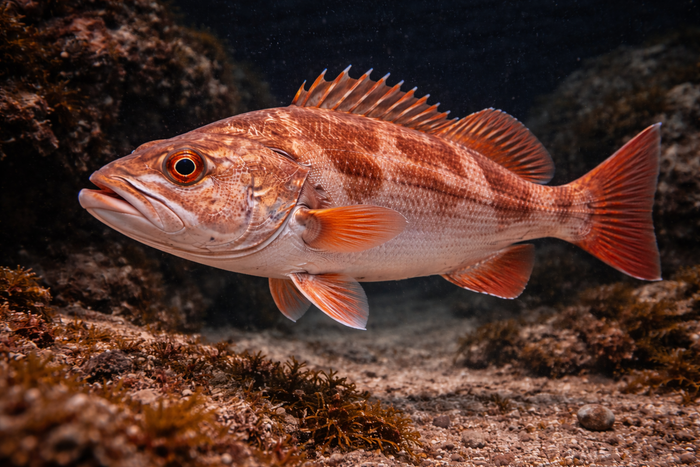
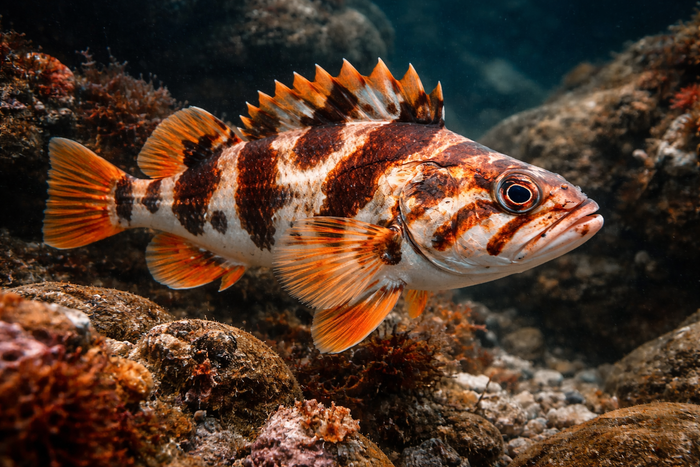
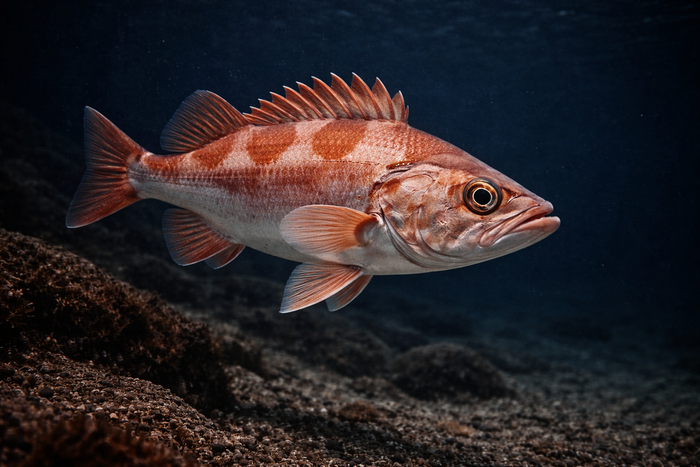
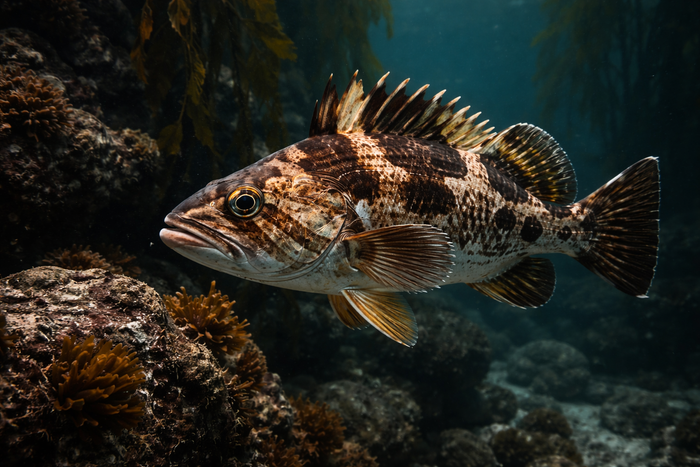
Vermillion Rockfish stand out with their vivid coloration—a deep vermillion red that doesn’t fade easily, even after capture. This isn’t just for show; their color provides camouflage among the rocky reefs and kelp forests where they thrive. Unlike many fish, they have a robust, spiny dorsal fin that adds to their formidable silhouette.
One of the most fascinating aspects of Sebastes miniatus is their longevity and growth pattern. These fish can live for decades, growing slowly but steadily, which makes them vulnerable to overfishing. Their reproductive strategy is equally intriguing: Vermillion Rockfish are ovoviviparous, meaning females give birth to live larvae rather than laying eggs. This method increases the survival odds of their offspring in the turbulent coastal waters.
Habitat & Global Range
The Vermillion Rockfish calls the eastern Pacific Ocean home, ranging from Baja California up to central Oregon. Their preferred Vermillion Rockfish habitat is rocky reefs and underwater ledges, typically between 30 and 300 meters deep. They favor complex structures where they can hide from predators and ambush prey.
These fish are highly site-attached, often sticking to a particular reef or rocky outcrop for years. This territorial loyalty makes their populations patchy but stable—until human interference disrupts the balance. The Vermillion Rockfish’s affinity for cooler, temperate waters and structured habitats defines its distribution and ecological niche.
Behavior & Temperament
Vermillion Rockfish are ambush predators with a patient streak. They lurk near crevices and ledges, waiting for unsuspecting prey like small fish, squid, and crustaceans to swim by. Their slow, deliberate movements conserve energy and maximize hunting efficiency.
Despite their bold coloration, these fish are not aggressive toward divers or other large animals. They tend to freeze or retreat into cover when approached. However, they can be territorial with their own kind, especially during spawning season when competition for mates heats up.
Their behavior reflects a balance between caution and opportunism, a survival strategy honed over millennia in the dynamic coastal environment.
Ecological Importance
Vermillion Rockfish play a crucial role in maintaining the health of rocky reef ecosystems. As mid-level predators, they help regulate populations of smaller fish and invertebrates, preventing any one species from dominating the reef. This balance supports biodiversity and the overall resilience of the habitat.
Their presence also benefits larger predators like lingcod and marine mammals, which rely on a stable food web. Additionally, Vermillion Rockfish contribute to nutrient cycling by feeding at various trophic levels and excreting waste that fertilizes the benthic environment.
In short, they are a linchpin species—remove them, and the entire reef ecosystem risks unraveling.
Conservation & Environmental Pressures
Despite their ecological importance, Vermillion Rockfish face significant threats. Overfishing is the primary concern, driven by their desirability as a food fish and sport catch. Their slow growth and late maturity mean populations recover slowly, making them vulnerable to depletion.
Habitat degradation from coastal development, pollution, and climate change adds pressure. Ocean warming and acidification can disrupt their reproductive cycles and reduce prey availability. Additionally, destructive fishing practices damage the rocky reefs they depend on.
Conservation efforts have ramped up, including fishing regulations, marine protected areas, and catch limits. These measures aim to balance human use with sustainable population levels. However, ongoing monitoring and adaptive management remain critical to ensure Vermillion Rockfish populations rebound and thrive.
The FishyAF Take
The Vermillion Rockfish is a vivid example of nature’s complexity and resilience. Its fiery hue and steadfast presence on Pacific reefs make it a species worth knowing and protecting. Understanding Vermillion Rockfish facts and habitat nuances reveals just how finely tuned this fish is to its environment—and how fragile that balance can be.
If you’re an angler, diver, or marine enthusiast, respect for the Vermillion Rockfish means more than admiring its color. It means supporting sustainable practices and recognizing the species as a vital thread in the coastal ecosystem fabric. This fish isn’t just a catch; it’s a living symbol of the ocean’s wild, intricate beauty—and it deserves our attention and care.