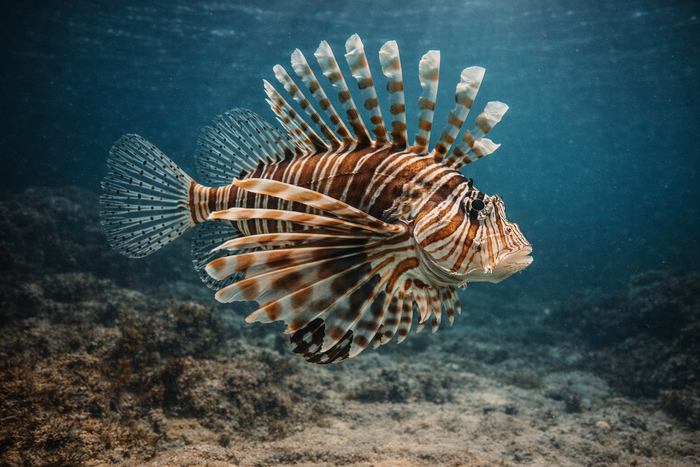
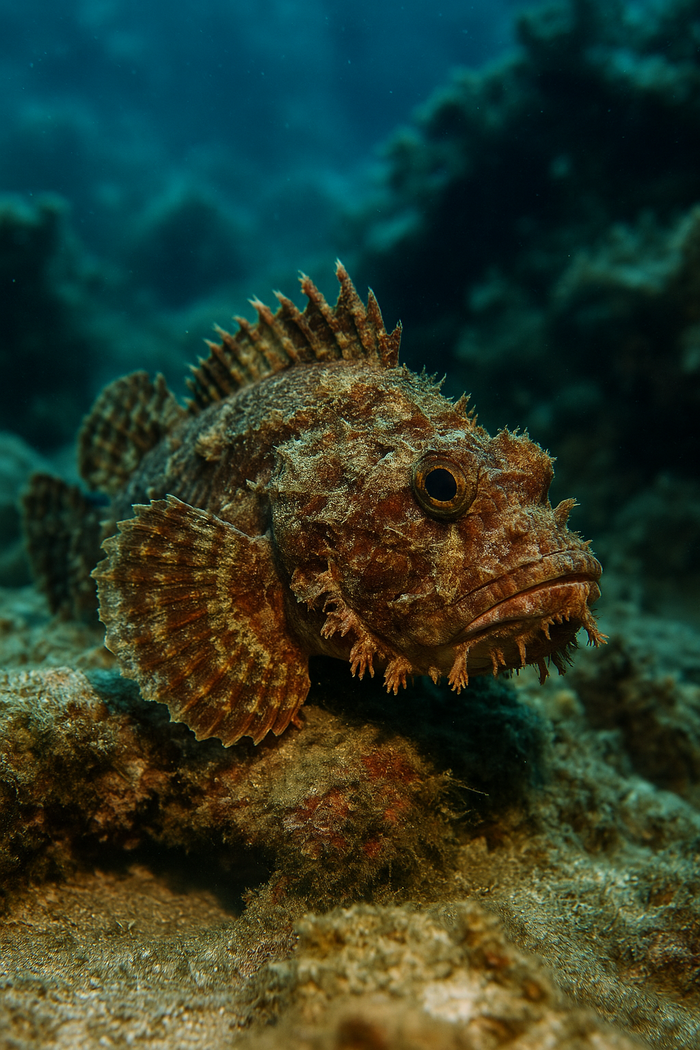
Pacific Ocean Perch (Sebastes alutus): The Deep-Sea Rockfish That Rules the North Pacific with Grit and Color
The Pacific Ocean Perch is not your average rockfish. Known scientifically as Sebastes alutus, this species commands attention beneath the waves with its vibrant red hues and tenacious survival skills. It’s a cornerstone of North Pacific ecosystems and a staple for commercial fisheries, yet it often flies under the radar compared to flashier marine species. If you want to understand the backbone of deep-sea communities and the subtle art of survival in cold, dark waters, the Pacific Ocean Perch is your go-to fish.
What Makes the Pacific Ocean Perch Unique?
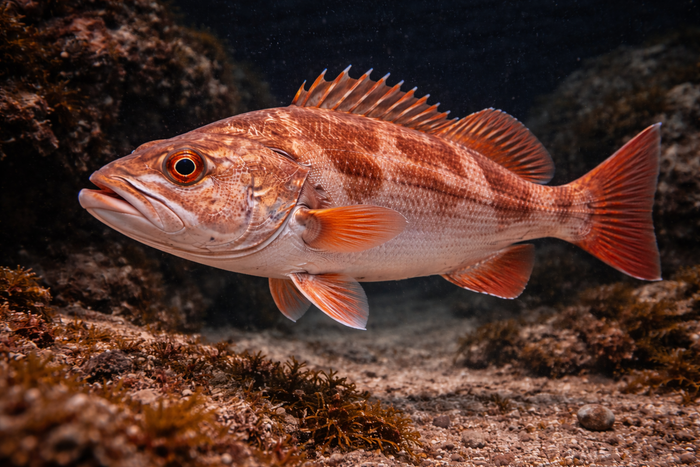
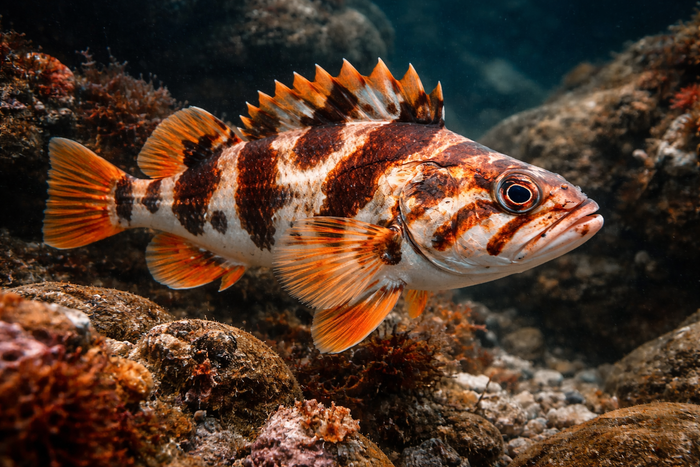
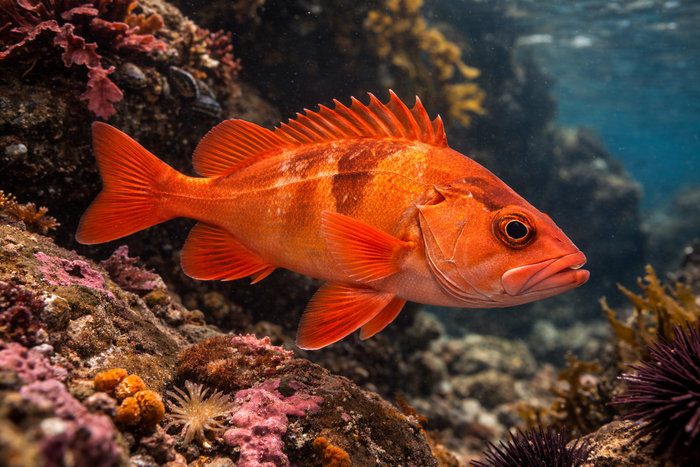
Pacific Ocean Perch stands out in the crowded rockfish family for several reasons. First, its striking coloration—a deep reddish-orange body with darker fins—makes it unmistakable. But it’s not just about looks. This species is a master of longevity and slow growth, traits that have earned it a reputation as a resilient but vulnerable deep-sea dweller. Unlike many fish that race through life cycles, Pacific Ocean Perch takes its time, maturing late and living for decades.
Another unique feature is its reproductive strategy. It’s a viviparous species, meaning females give birth to live young rather than laying eggs. This method boosts offspring survival in the cold, predator-heavy environment of the North Pacific. The fish’s ability to thrive at depths ranging from 150 to over 400 meters also sets it apart, adapting to low light and high pressure with a physiology that’s still being studied for its remarkable efficiency.
Habitat & Global Range
Pacific Ocean Perch habitat spans the cold, nutrient-rich waters of the North Pacific Ocean. From the Bering Sea down through the Gulf of Alaska and along the coasts of British Columbia and Washington, this species prefers rocky, complex seafloor environments. These structures offer shelter and feeding grounds, essential for a fish that relies on ambush tactics and stealth.
Depth is a defining factor in their habitat. They are typically found between 150 and 400 meters, but can venture deeper. This depth preference keeps them away from many predators and human disturbances but also makes them vulnerable to deep-water fishing practices. The Pacific Ocean Perch’s range is tightly linked to cold currents and oxygen-rich waters, which support the dense food webs they depend on.
Behavior & Temperament
Don’t expect the Pacific Ocean Perch to be a social butterfly. These fish are generally solitary or found in small groups, especially during spawning seasons. Their behavior is cautious and calculated, a necessity in the predator-heavy depths they inhabit. They are slow movers, relying on camouflage and the rugged seafloor to avoid detection rather than speed or aggression.
Feeding behavior is opportunistic but methodical. Pacific Ocean Perch primarily consume zooplankton, small crustaceans, and juvenile fish. Their slow metabolism suits the cold deep waters, allowing them to make the most of sporadic feeding opportunities. During spawning, they gather in dense aggregations, a rare moment of social interaction driven by reproductive urgency.
Ecological Importance
Pacific Ocean Perch plays a critical role in the North Pacific marine ecosystem. As mid-level predators, they help regulate populations of smaller fish and invertebrates, maintaining a balance that supports overall biodiversity. Their presence influences the behavior and distribution of prey species, which cascades through the food web.
Moreover, they serve as a vital food source for larger predators like lingcod, halibut, and marine mammals. The perch’s role as both predator and prey makes it a linchpin in the complex ecological network of the deep sea. Their slow growth and longevity also mean they act as a stable population anchor, buffering ecosystem fluctuations caused by environmental changes or fishing pressures.
Conservation & Environmental Pressures
Despite their resilience, Pacific Ocean Perch face significant conservation challenges. Overfishing has historically impacted populations, especially given their slow reproductive rate and late maturity. Deep-water trawling, the primary fishing method targeting this species, can be destructive to their rocky habitats, compounding stress on their numbers.
Climate change adds another layer of pressure. Rising ocean temperatures and shifting currents threaten to alter the Pacific Ocean Perch habitat, potentially reducing oxygen levels and food availability. These changes could disrupt spawning cycles and juvenile survival rates, further endangering populations already strained by human activity.
Current management efforts focus on sustainable fishing quotas and habitat protection. Monitoring population trends and enforcing catch limits are crucial to prevent collapse. The species’ slow life history means recovery from overfishing is a long game, demanding patience and strict regulation.
The FishyAF Take
Pacific Ocean Perch is a textbook example of a species that punches above its weight in ecological importance while flying under the public radar. Its slow, steady lifestyle and deep-sea niche make it a fascinating subject for anyone serious about marine biology or fisheries management. This fish is a reminder that not all ocean champions are flashy or fast; some rule through resilience and quiet persistence.
Understanding Pacific Ocean Perch facts and habitat is essential for appreciating the complexity of North Pacific ecosystems and the delicate balance required to maintain them. If you care about sustainable seafood or the health of deep-sea environments, this species deserves your attention. It’s not just another rockfish—it’s a cornerstone of the ocean’s hidden world, demanding respect and careful stewardship.