Treefish (Sebastes serriceps): The Rock-Dwelling Rebel of the Kelp Forests
Meet the Treefish, Sebastes serriceps, a striking member of the rockfish family that commands attention with its bold colors and rugged attitude. This species isn’t just another face in the kelp forest crowd; it’s a standout character with a story worth knowing. If you’re diving into Treefish facts, you’re about to explore a fish that blends fierce survival tactics with a unique ecological niche. Forget the usual reef dwellers—Treefish bring a whole new level of intrigue to coastal waters.
What Makes the Treefish Unique?
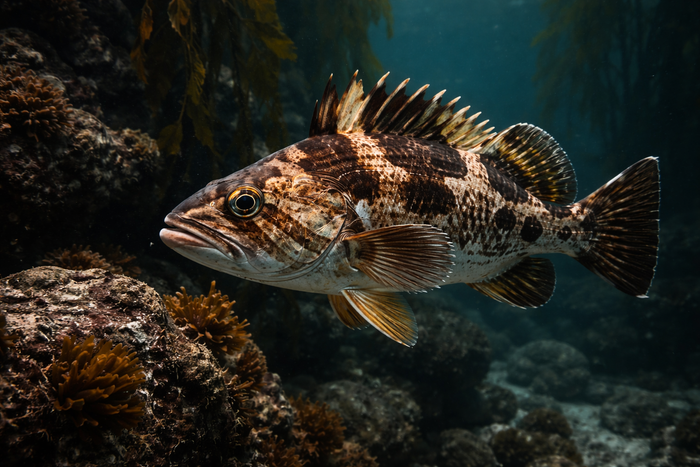
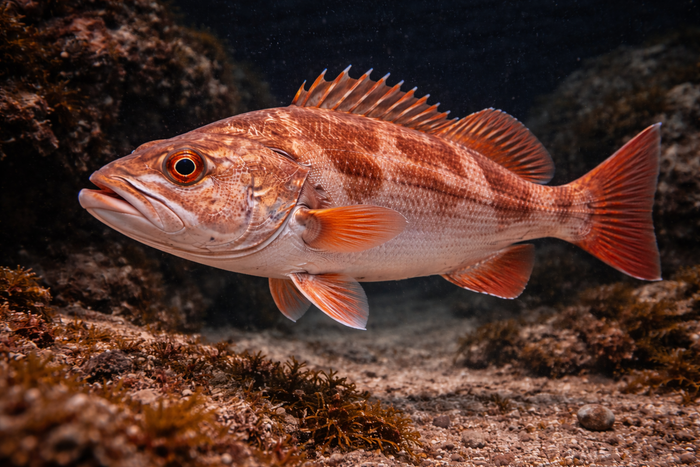
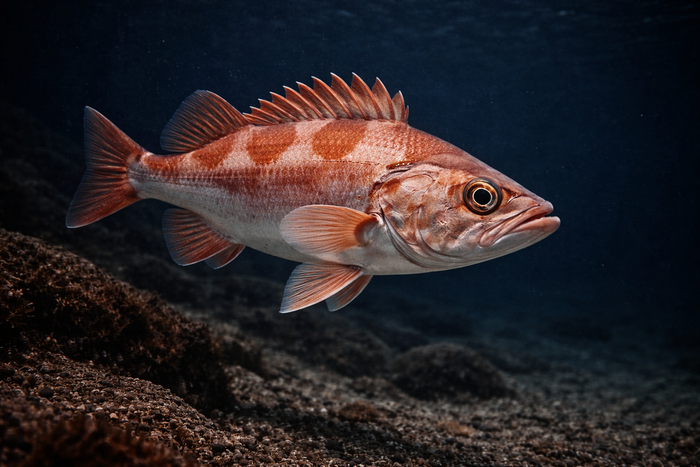
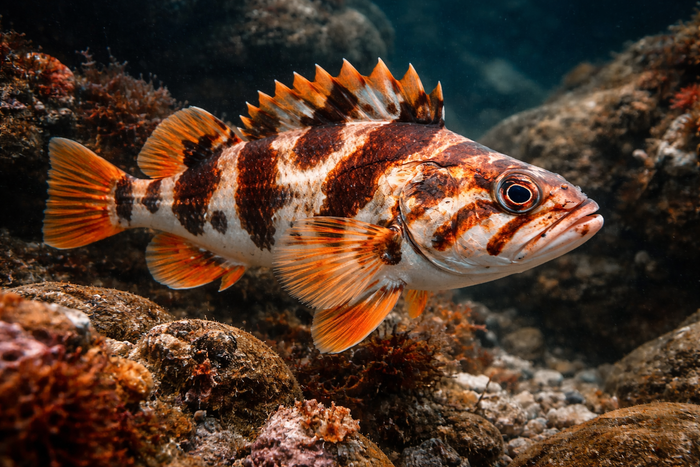
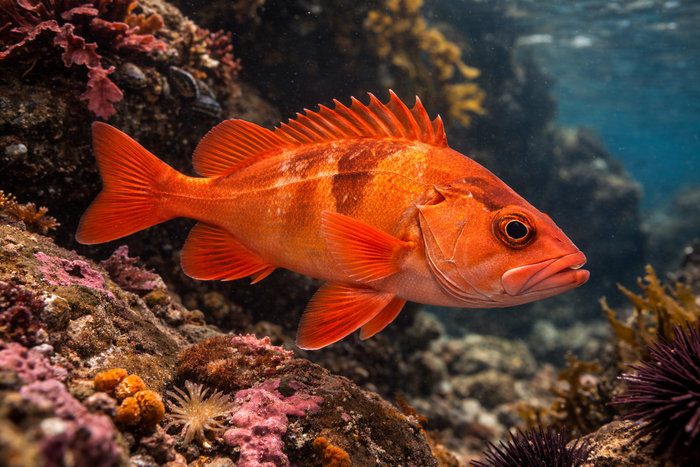
Treefish are instantly recognizable by their robust, spiny bodies and vibrant coloration, ranging from deep reds to oranges, often mottled with darker patches. Their thick, bony heads and pronounced spines give them a prehistoric vibe, almost like a miniature underwater dragon. This isn’t just for show—those spines are a defense mechanism against predators.
Unlike many rockfish, Treefish have a relatively sedentary lifestyle, often found perched on rocky outcrops or nestled within kelp beds. Their ability to blend into the complex textures of their environment is a survival masterstroke. They’re ambush predators, relying on stealth and patience rather than speed. Their diet mainly includes small fish and crustaceans, which they snap up with lightning-fast reflexes.
Another standout feature is their longevity. Treefish can live for decades, a testament to their slow growth and low reproductive rates. This slow and steady life strategy means they are vulnerable to overfishing and environmental changes, making understanding their biology crucial for conservation.
Habitat & Global Range
Treefish are native to the eastern Pacific Ocean, primarily along the coast of California and Baja California. Their Treefish habitat is tightly linked to rocky reefs and kelp forests, where they find shelter and hunting grounds. These environments provide the complex structures necessary for their ambush tactics and protection from larger predators.
They prefer depths ranging from shallow waters down to about 100 meters, thriving in temperate coastal zones. The kelp forests, with their towering fronds and dense holdfasts, create a three-dimensional maze that suits the Treefish’s cryptic lifestyle perfectly. This habitat also supports a rich biodiversity, making Treefish an integral part of a vibrant ecosystem.
Behavior & Temperament
Treefish are territorial and solitary by nature. They stake out prime real estate on the reef and defend it vigorously. This territoriality is not just about space but access to food and mates. When threatened, their spines and tough exterior make them a difficult target, discouraging many would-be predators.
Despite their aggressive defense, Treefish are not active hunters in the traditional sense. They prefer to lie in wait, blending into the rocky environment, then strike when prey ventures too close. This sit-and-wait strategy conserves energy and maximizes success rates.
During breeding season, males become more active and may engage in displays to attract females. Females give birth to live young, a trait common among rockfish, which increases the survival chances of offspring compared to species that release eggs into the water column.
Ecological Importance
Treefish play a critical role in maintaining the balance of kelp forest ecosystems. As mid-level predators, they help control populations of smaller fish and invertebrates, preventing any one species from dominating and disrupting the habitat.
Their presence also supports the health of kelp forests indirectly. By preying on herbivorous species that might otherwise overgraze kelp, Treefish contribute to the stability and resilience of these underwater forests. This balance is essential for the myriad species that depend on kelp forests for food and shelter.
Moreover, Treefish serve as prey for larger predators, including marine mammals and bigger fish, linking different trophic levels within the ecosystem. Their longevity and site fidelity mean they are consistent players in their environment, influencing community dynamics over long periods.
Conservation & Environmental Pressures
Treefish face several environmental pressures that threaten their populations. Overfishing is a significant concern, especially since their slow growth and late maturity make population recovery a slow process. They are often caught as bycatch in commercial fisheries targeting other species, which adds to their vulnerability.
Habitat degradation is another major issue. Kelp forests are sensitive to changes in water temperature, pollution, and physical damage from human activities like coastal development and trawling. Loss of kelp habitat directly impacts Treefish by reducing shelter and food availability.
Climate change compounds these problems by altering ocean conditions, affecting kelp growth and the distribution of species within these ecosystems. Ocean acidification and warming waters can disrupt reproductive cycles and food webs, putting additional stress on Treefish populations.
Effective conservation requires protecting kelp forest habitats, regulating fishing practices, and monitoring population trends. Marine protected areas and sustainable fishing regulations are critical tools in ensuring Treefish continue to thrive.
The FishyAF Take
Treefish are the kind of species that demand respect. They’re not flashy swimmers or schooling fish that dazzle with numbers. Instead, they rely on grit, camouflage, and a slow, deliberate lifestyle that has kept them around for decades. Understanding Treefish facts means appreciating the delicate balance they maintain in kelp forest ecosystems and recognizing the threats they face from human activity.
If you want to see a fish that embodies resilience and ecological importance, the Treefish is your go-to. They remind us that survival isn’t always about speed or size but about fitting perfectly into your niche and playing your role with quiet confidence. Protecting Treefish means protecting the complex, beautiful world of kelp forests—a mission worth fighting for.