Black Margate (Anisotremus surinamensis): The Chunky Reef Enforcer with a Taste for Trouble
The Black Margate is not your run-of-the-mill reef fish. With a stocky frame, bold black markings, and a presence that commands attention, this species stands out in the crowded underwater world. Known scientifically as Anisotremus surinamensis, the Black Margate is a member of the grunt family, but don’t let the name fool you—it’s no wallflower. This fish combines brute strength with a curious temperament, making it a fascinating subject for divers, anglers, and marine biologists alike. Here’s a deep dive into Black Margate facts that reveal why this species deserves more than just a passing glance.
What Makes the Black Margate Unique?
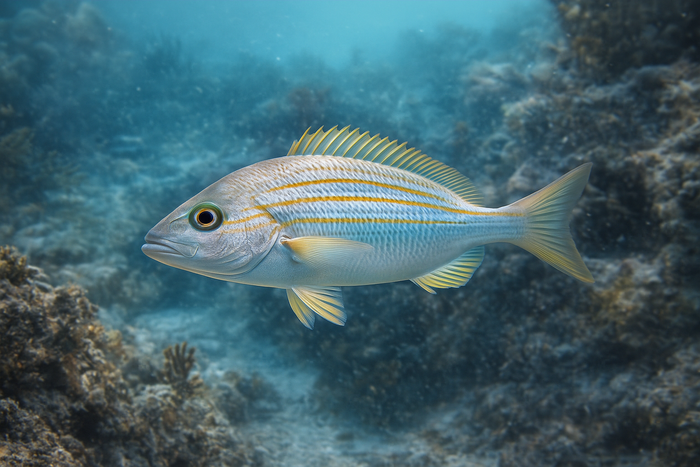
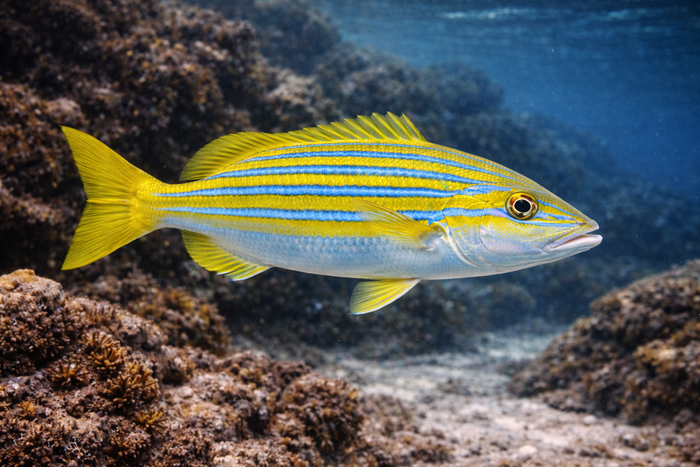
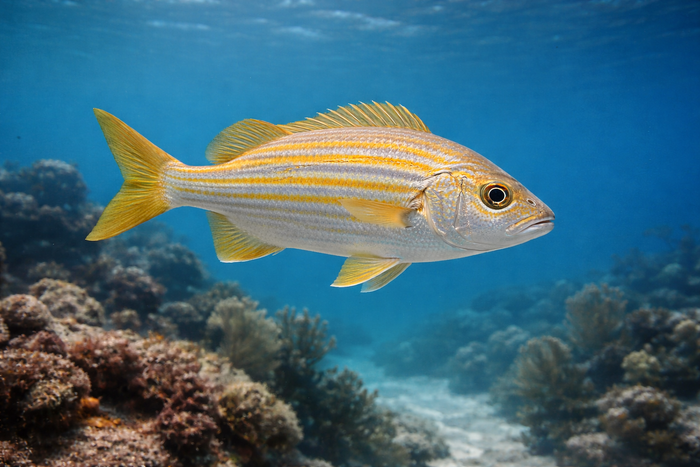
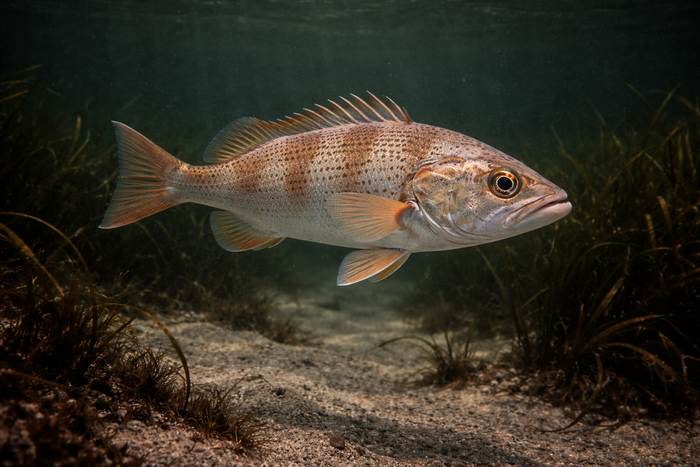
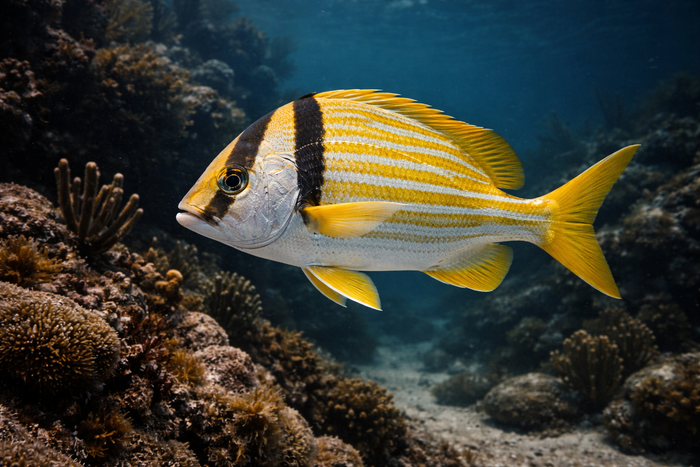
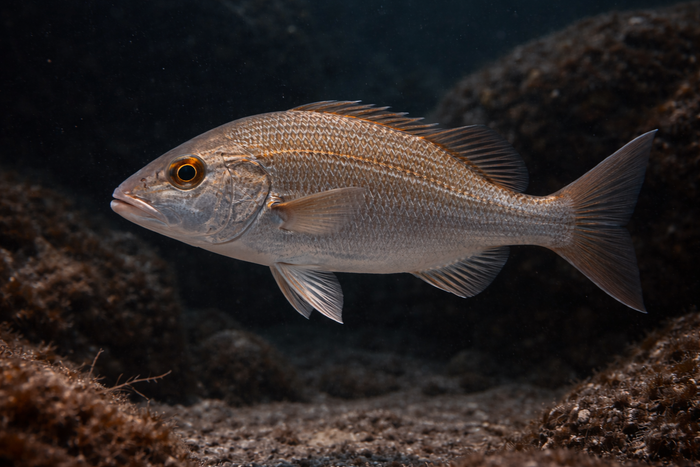
The Black Margate’s most striking feature is its robust, almost tank-like body covered in silvery-gray scales contrasted by bold black patches on the tail and fins. This coloration isn’t just for show; it provides camouflage against the rocky reef backdrop and signals its dominance to rivals. Unlike many reef fish that rely on speed and agility, the Black Margate uses sheer power and a strong jaw to crush hard-shelled prey like crabs and mollusks.
Another unique trait is its grunt-like vocalizations produced by vibrating its swim bladder. These sounds serve as communication during social interactions and territorial disputes. The Black Margate’s ability to produce noise adds an extra layer to its behavioral complexity, setting it apart from many other reef dwellers.
Habitat & Global Range
Black Margate habitat spans the western Atlantic, from the coastal waters of Florida and the Gulf of Mexico down through the Caribbean and along the northern coast of South America. They prefer shallow to moderately deep waters, typically between 10 and 50 meters, where rocky reefs, wrecks, and coral formations provide ample shelter and feeding grounds.
This species thrives in environments where structure is abundant. The crevices and caves of reefs offer protection from predators and a strategic vantage point to ambush prey. Black Margate habitat is often characterized by strong currents and turbid waters, conditions that suit their robust build and opportunistic feeding style.
Behavior & Temperament
Black Margates are mostly solitary or found in small groups, especially during the breeding season. They exhibit territorial behavior, aggressively defending their chosen reef patches from intruders. This territoriality is backed by their muscular bodies and powerful jaws, making them formidable opponents in reef skirmishes.
Their feeding behavior is opportunistic but specialized. They are bottom feeders, using their strong teeth to crack open crustaceans, mollusks, and other hard-shelled invertebrates. Unlike many reef fish that dart around, Black Margates often move deliberately, using stealth and strength rather than speed.
Despite their aggressive streak, they are not mindless fighters. Black Margates display a level of curiosity and intelligence, investigating divers and objects in their environment. This makes encounters with them memorable, as they often approach cautiously but confidently.
Ecological Importance
The Black Margate plays a vital role in maintaining the balance of reef ecosystems. By preying on crustaceans and mollusks, they help control populations of species that could otherwise overgraze or damage coral reefs. This predation keeps the reef’s invertebrate community in check, indirectly supporting coral health and biodiversity.
Their territorial nature also influences the spatial distribution of other reef species. By staking out and defending prime reef real estate, Black Margates create zones of reduced competition, which can affect the local community structure. Their presence signals a healthy reef system with complex interactions.
Conservation & Environmental Pressures
While not currently listed as endangered, Black Margate populations face pressures from overfishing and habitat degradation. Their slow growth and late maturity make them vulnerable to intense fishing, especially in regions where they are targeted for food or the aquarium trade.
Habitat loss due to coral reef destruction, pollution, and climate change also threatens their survival. As reef structures collapse or become less complex, Black Margate habitat shrinks, reducing shelter and feeding opportunities. Protecting reef environments is crucial for sustaining their populations.
Marine protected areas and sustainable fishing regulations have shown promise in preserving Black Margate numbers. Continued monitoring and habitat conservation efforts are essential to prevent declines and maintain the ecological roles these fish fulfill.
The FishyAF Take
The Black Margate is a powerhouse of the reef world—muscular, vocal, and unapologetically bold. It’s a species that demands respect, not just for its physical presence but for its ecological significance. Understanding Black Margate facts and habitat nuances reveals a fish that’s more than a pretty face; it’s a key player in reef dynamics.
If you’re diving in the Caribbean or Gulf of Mexico, keep an eye out for this chunky enforcer. It’s not just a fish; it’s a reminder that reef ecosystems are complex battlegrounds where survival depends on strength, strategy, and a bit of noise. The Black Margate embodies all that with a swagger that’s impossible to ignore.