Sailor's Choice Grunt (Haemulon parra): A Bold, Memorable Hook Line
The Sailor's Choice Grunt, scientifically known as Haemulon parra, is a standout member of the grunt family that commands attention with its striking appearance and robust presence in tropical waters. This species is more than just a pretty face in the reef; it plays a vital role in marine ecosystems and offers anglers a reliable catch. If you're diving into Sailor's Choice Grunt facts, prepare to meet a fish that’s as interesting beneath the surface as it is on the line.
What Makes the Sailor's Choice Grunt Unique?
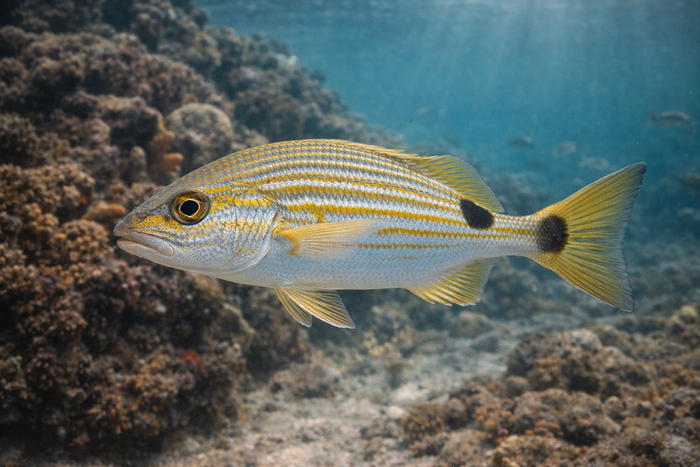
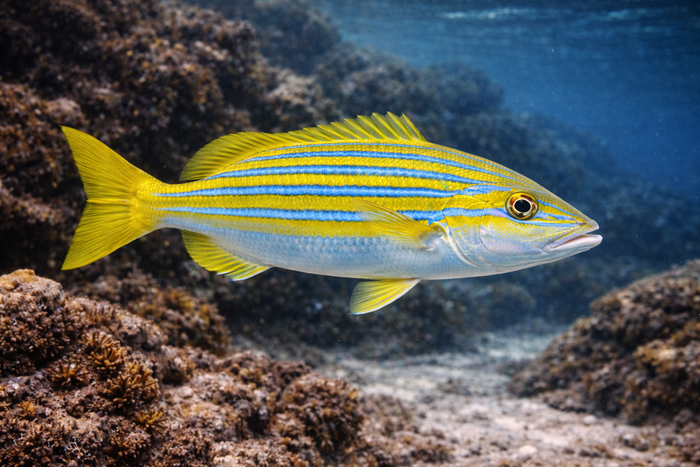
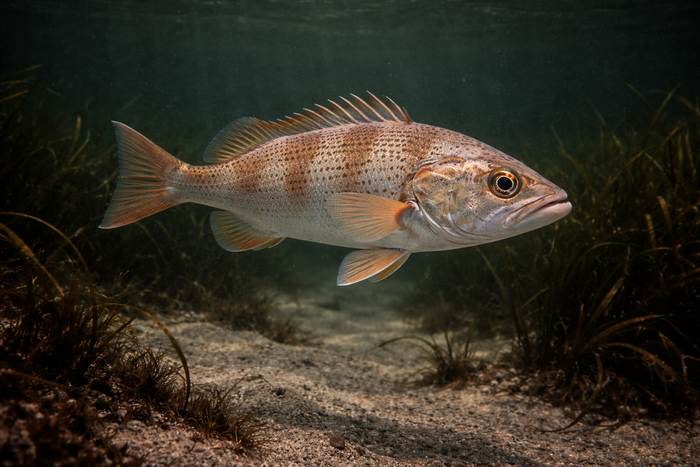
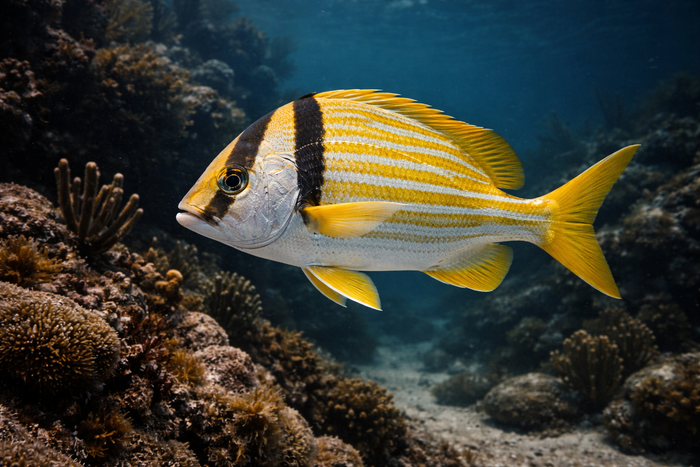
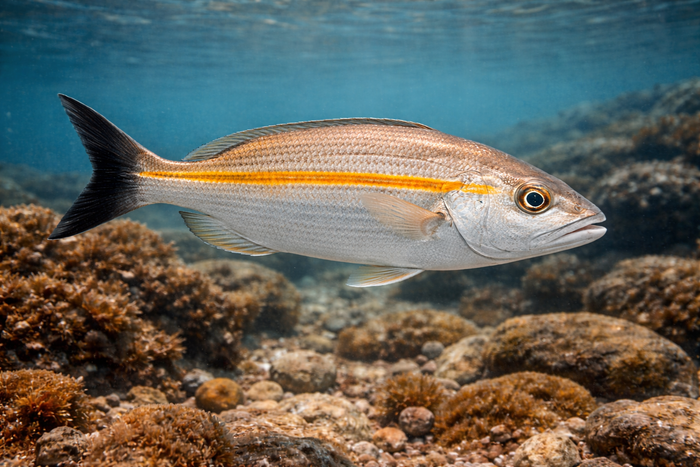
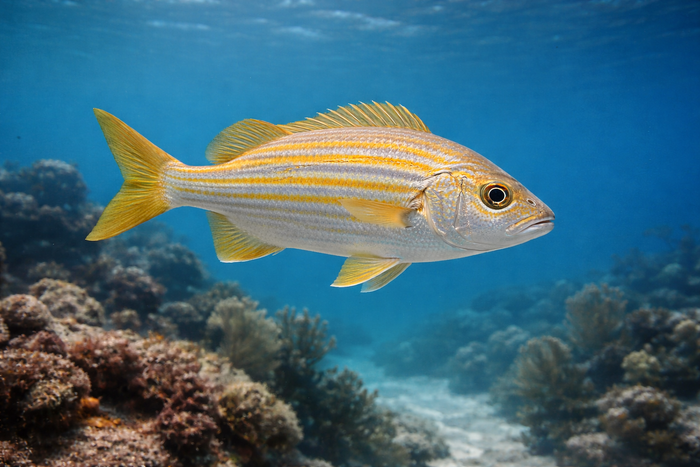
The Sailor's Choice Grunt earns its name from the distinctive grunting sounds it produces by grinding its pharyngeal teeth, a trait common to grunts but particularly pronounced here. Visually, it sports a silvery body adorned with bold, vertical black bars that give it a striking, almost armored look. This pattern isn’t just for show—it helps the fish blend into the complex reef environment, breaking up its silhouette against coral and shadow.
Unlike many reef fish that shy away from human interaction, the Sailor's Choice Grunt exhibits a curious boldness. It often forms medium-sized schools, moving with coordinated precision but showing a readiness to investigate disturbances, including divers and anglers. This combination of boldness and schooling behavior makes it a fascinating subject for underwater observation and a strategic target for fishermen.
Habitat & Global Range
Sailor's Choice Grunt habitat spans the warm, shallow waters of the western Atlantic Ocean. From the southeastern coast of the United States down through the Caribbean Sea and along the northern coast of South America, this species thrives in coral reefs, rocky bottoms, and seagrass beds. It prefers depths ranging from just a few feet to around 100 feet, where it can exploit the rich feeding grounds provided by these environments.
The species’ affinity for structurally complex habitats means it’s often found near reef ledges, drop-offs, and areas with abundant cover. This environment not only offers protection from predators but also supports a diverse diet. Sailor's Choice Grunt habitat is a perfect example of how marine species adapt to and depend on specific ecological niches.
Behavior & Temperament
Sailor's Choice Grunt behavior is a mix of social schooling and individual boldness. These fish typically form schools ranging from a handful to several dozen individuals. Schooling provides safety in numbers, reducing the risk of predation while increasing foraging efficiency. However, unlike some species that scatter at the slightest provocation, Sailor's Choice Grunts often hold their ground, displaying a confident temperament.
Feeding primarily at dawn and dusk, they hunt small invertebrates and crustaceans, using their keen senses to root out prey from the substrate. Their grunting sounds are more than a quirky trait; they likely serve as communication signals within the school, coordinating movements and possibly warning of danger.
Ecological Importance
The Sailor's Choice Grunt plays a crucial role in maintaining the health of reef ecosystems. By feeding on benthic invertebrates, it helps control populations that might otherwise overgraze or damage coral and seagrass habitats. This predation supports a balanced food web and contributes to the overall resilience of the reef environment.
Moreover, as prey for larger predatory fish, seabirds, and marine mammals, Sailor's Choice Grunt is a vital link in the trophic chain. Its schooling behavior not only provides a food source but also influences predator hunting strategies, shaping the dynamics of reef communities.
Conservation & Environmental Pressures
Despite its broad range and relative abundance, the Sailor's Choice Grunt faces environmental pressures that warrant attention. Habitat degradation, particularly coral reef loss due to climate change, pollution, and coastal development, threatens the complex environments this species depends on. Overfishing, while not currently critical for this species, can become a concern if unregulated, especially in areas where it is a popular target for local fisheries.
Marine protected areas and sustainable fishing practices are essential to safeguard Sailor's Choice Grunt populations. Monitoring their numbers and habitat quality provides valuable indicators of reef health, making this species a useful barometer for marine conservation efforts.
The FishyAF Take
The Sailor's Choice Grunt is a prime example of a fish that punches above its weight in ecological significance and angling appeal. Its bold patterns and confident schooling behavior make it impossible to ignore, while its role in reef ecosystems underscores the interconnectedness of marine life. For anglers, it offers a dependable and engaging catch; for conservationists, a reminder of the delicate balance sustaining tropical reefs.
Understanding Sailor's Choice Grunt facts and habitat is more than an academic exercise—it’s a step toward appreciating and protecting the vibrant underwater worlds that support these remarkable fish. Next time you encounter a school of these grunts, remember you’re witnessing a species that’s as tough and resilient as it is visually striking.