Tomtate (Haemulon aurolineatum): The Underwater Hustler with a Golden Edge
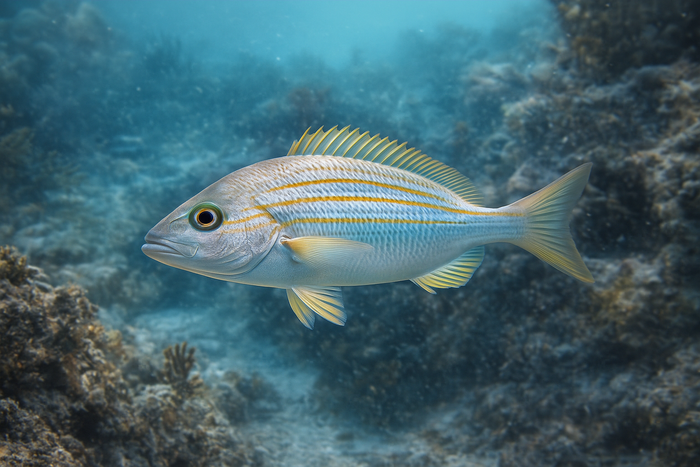
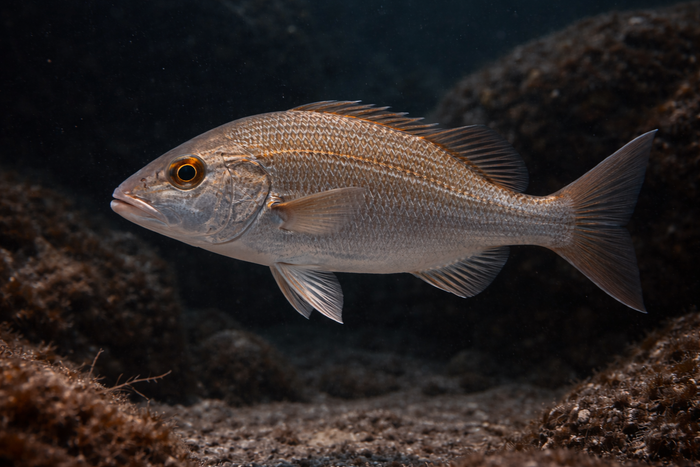
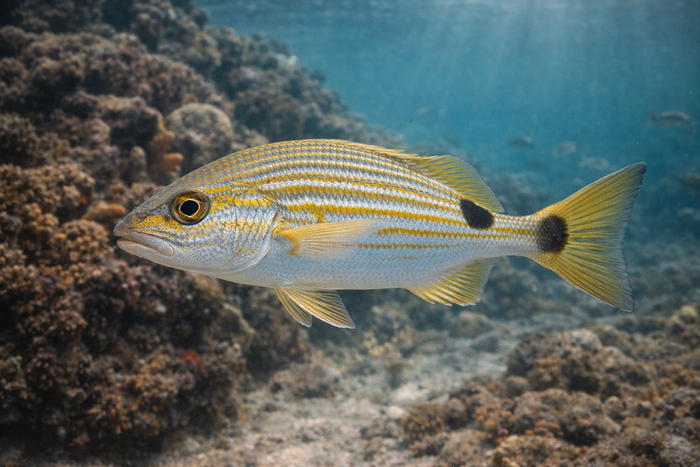
The Tomtate is not your average reef fish. Sporting a sleek silver body streaked with a signature golden stripe, this grunt species commands attention beneath the waves. Known scientifically as Haemulon aurolineatum, the Tomtate is a staple of Caribbean and western Atlantic reefs, blending bold coloration with a surprisingly complex lifestyle. If you want to understand a fish that balances between subtlety and flash, the Tomtate is your go-to subject.
What Makes the Tomtate Unique?
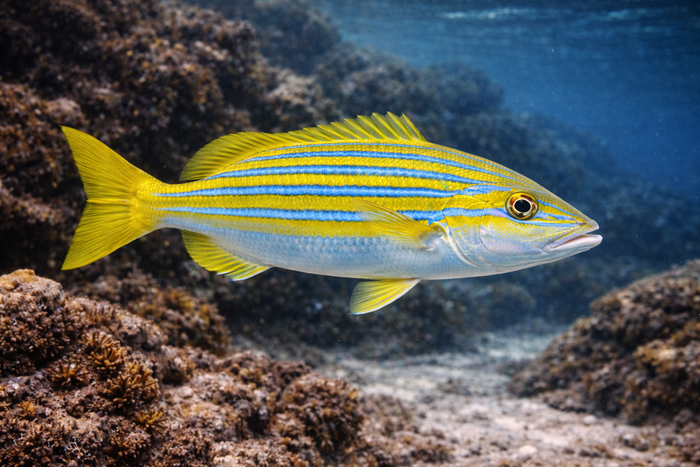
At first glance, the Tomtate’s standout feature is its golden lateral line that runs from snout to tail, a bright signature that gives the species its name. But there’s more beneath the surface. Unlike many reef fish that stick to one niche, the Tomtate is a versatile feeder, snapping up small crustaceans, worms, and mollusks with quick precision. Its mouth structure and grinding teeth are specialized for crushing hard shells, a trait that sets it apart from other grunts.
Another unique aspect is its vocalization. Tomtates produce grunting sounds by grinding their pharyngeal teeth, a behavior used for communication and possibly to deter predators. This sonic signature is a hallmark of the grunt family but is especially pronounced in the Tomtate, making it a noisy neighbor on the reef.
Habitat & Global Range
Tomtate habitat spans the western Atlantic Ocean, primarily from North Carolina down through the Caribbean Sea and into the northern coast of South America. They thrive in shallow coastal waters, favoring coral reefs, rocky outcrops, and seagrass beds. This species is a reef generalist, comfortable in a range of environments from 2 to 30 meters deep, though they prefer the protective complexity of coral structures.
Their presence is a reliable indicator of healthy reef systems. Tomtate habitat is often characterized by clear waters and abundant benthic invertebrates, which make up their diet. They tend to form large schools during the day, often mixing with other grunt species, before dispersing at night to forage.
Behavior & Temperament
Tomtates are schooling fish with a social streak. Their daytime behavior revolves around tight-knit groups that provide safety in numbers against predators like barracudas and groupers. This schooling also facilitates their vocal communication, creating a chorus of grunts that reverberates through the reef.
At night, Tomtates become solitary hunters, prowling the reef floor for invertebrates. Their nocturnal foraging strategy reduces competition and predation risk. Despite their bold daytime presence, they are cautious and quick to dart into crevices when threatened.
Temperament-wise, Tomtates are neither aggressive nor territorial. They coexist peacefully with other reef inhabitants, making them a favorite among divers and underwater photographers. Their curious nature means they often approach divers, adding to their appeal.
Ecological Importance
Tomtates play a critical role in reef ecosystems. By feeding on benthic invertebrates, they help control populations of small crustaceans and mollusks, maintaining ecological balance. Their foraging activity also contributes to sediment turnover, which benefits coral health by preventing the buildup of detritus.
Moreover, Tomtates serve as prey for larger predatory fish, linking lower trophic levels to apex predators. This positions them as a vital component in the food web, supporting biodiversity and reef resilience.
Their schooling behavior also influences reef dynamics by creating localized zones of nutrient concentration through their waste, which in turn supports algal and microbial communities essential for coral growth.
Conservation & Environmental Pressures
While Tomtates are currently not classified as endangered, they face several environmental pressures that could impact their populations. Habitat degradation, particularly coral reef loss due to climate change, pollution, and coastal development, threatens the complex environments they depend on.
Overfishing is another concern, especially in regions where they are caught as bycatch or targeted for local consumption. Their schooling nature makes them vulnerable to net fishing methods.
Additionally, ocean acidification and warming waters can disrupt the invertebrate populations Tomtates rely on for food, indirectly affecting their survival and reproductive success.
Conservation efforts aimed at protecting coral reefs, regulating fishing practices, and monitoring water quality are essential to ensure Tomtate populations remain stable.
The FishyAF Take
The Tomtate is a prime example of how a fish can be both flashy and functional. Its golden stripe is more than just eye candy; it’s a badge of adaptability and ecological significance. This grunt isn’t just another reef dweller—it’s a key player in maintaining the health and balance of its underwater world.
For anglers, divers, and marine enthusiasts, understanding Tomtate facts and their habitat is crucial. They’re a reminder that even the most unassuming fish have complex lives and vital roles. Keep an eye out for those shimmering schools and listen for the grunts—they’re the reef’s unsung communicators and hard-working custodians.
In a world where reef ecosystems face mounting threats, the Tomtate stands as a resilient symbol of marine diversity worth protecting and appreciating.