Pigfish (Orthopristis chrysoptera): The Vibrant Snapper Lookalike That Packs a Punch in Shallow Waters
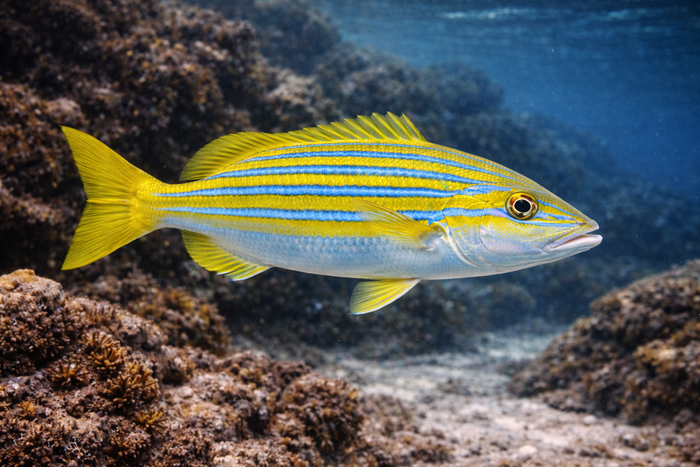
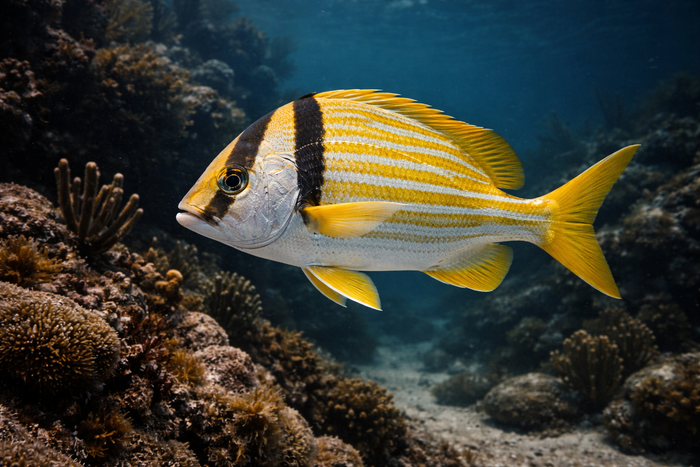
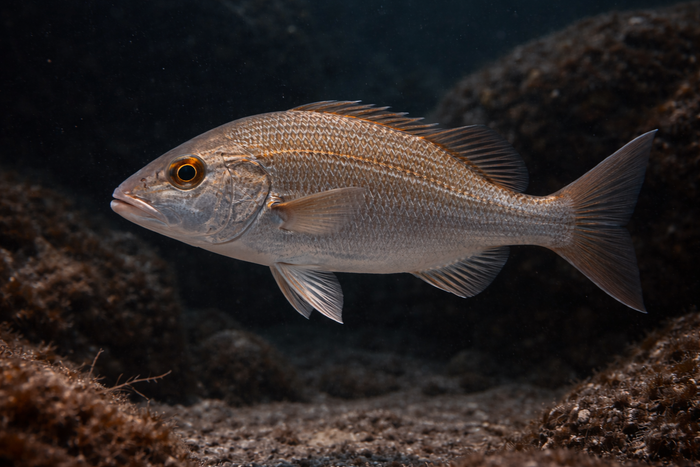
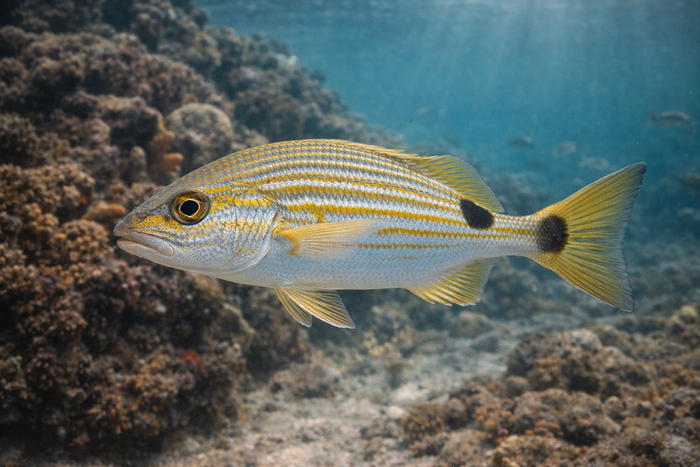
Pigfish might not be the flashiest fish in the sea, but they’re impossible to ignore once you know what to look for. Sporting a sleek, silvery body with striking yellow stripes and a mouthful of sharp teeth, these fish are a staple of coastal ecosystems along the western Atlantic. They’re often mistaken for juvenile snappers, but pigfish carve out their own niche with bold behavior and a distinctive diet. Whether you’re a seasoned angler or a curious naturalist, understanding pigfish facts unlocks a fascinating glimpse into a fish that’s as tough as it is colorful.
What Makes the Pigfish Unique?
Pigfish stand out for several reasons. First, their name isn’t just a quirky label—it comes from their pig-like grunt, a sound they produce by grinding their teeth. This vocalization is rare among fish and adds a layer of personality to their presence underwater. Their teeth aren’t just for show either; pigfish have strong, conical teeth designed to crush hard-shelled prey like crustaceans and mollusks, setting them apart from many other coastal species that prefer softer fare.
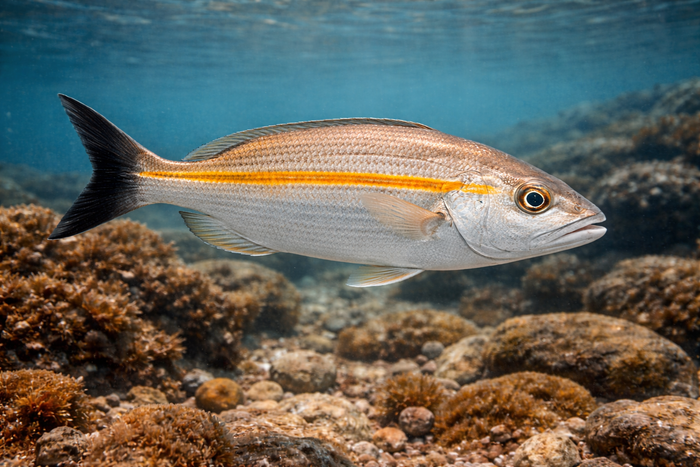
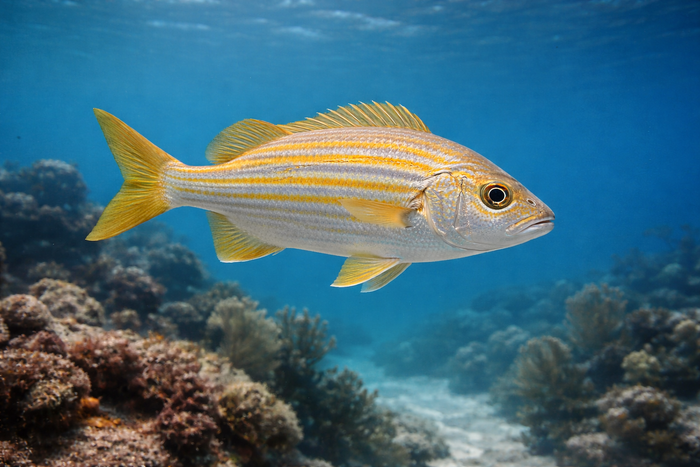
Visually, pigfish flaunt a series of yellow horizontal stripes running along their silver bodies, which shimmer in the sunlight. This pattern not only helps with camouflage among seagrass beds and sandy bottoms but also signals their species identity to other pigfish. Unlike many fish that rely on speed to escape predators, pigfish use their bold coloration and quick, darting movements to confuse threats.
Habitat & Global Range
Pigfish habitat is primarily in shallow coastal waters of the western Atlantic Ocean, stretching from Massachusetts down through the Gulf of Mexico and into the Caribbean. They favor warm, temperate to subtropical environments, often found in seagrass beds, sandy bottoms, and around oyster reefs. These habitats provide both food and shelter, making them ideal for pigfish to thrive.
They are especially common in estuaries and bays where salinity fluctuates, demonstrating a remarkable tolerance for varying environmental conditions. This adaptability allows pigfish to exploit a wide range of habitats within their range. Seasonal migrations are common, with pigfish moving to deeper waters during colder months and returning to shallower zones in spring and summer to spawn.
Behavior & Temperament
Pigfish are social creatures, often found in schools that can number in the hundreds. This schooling behavior offers protection against predators and increases foraging efficiency. They are active during the day, using their keen eyesight to hunt for prey. Their diet is diverse, including crabs, shrimp, worms, and small mollusks, which they crush with their powerful jaws.
Despite their relatively small size, pigfish are bold and aggressive when feeding or defending territory. They use their sharp teeth not just for crushing prey but also as a deterrent against competitors and predators. When threatened, pigfish can produce their characteristic grunting sound, a warning that they’re not an easy target.
Pigfish also exhibit interesting spawning behavior. They gather in large groups during the breeding season, releasing eggs and sperm into the water column simultaneously. This broadcast spawning increases the chances of fertilization and dispersal of offspring, ensuring the species’ continued success.
Ecological Importance
Pigfish play a crucial role in coastal ecosystems. By preying on crustaceans and mollusks, they help regulate populations of these invertebrates, maintaining a balanced food web. Their foraging activities also contribute to the health of seagrass beds and oyster reefs by controlling species that might otherwise overgraze or damage these habitats.
Moreover, pigfish serve as prey for larger predatory fish, birds, and marine mammals. Their presence supports a diverse array of predators, making them a vital link in the coastal food chain. The schooling behavior of pigfish can also influence nutrient cycling in shallow waters, as their movements stir up sediments and redistribute organic matter.
Conservation & Environmental Pressures
While pigfish are not currently listed as endangered or threatened, they face several environmental pressures that could impact their populations. Coastal development, pollution, and habitat degradation pose significant risks to their preferred seagrass and estuarine habitats. Loss of these areas reduces shelter and food availability, making pigfish more vulnerable to predation and competition.
Overfishing is another concern, especially in regions where pigfish are caught as bycatch or targeted for bait. Although not a primary commercial species, pigfish populations can decline if fishing pressure is not managed properly. Climate change adds another layer of complexity, with warming waters potentially shifting pigfish habitat ranges and affecting spawning cycles.
Conservation efforts aimed at protecting coastal habitats, regulating fishing practices, and monitoring population trends are essential to ensure pigfish remain a vibrant part of their ecosystems. Maintaining healthy seagrass beds and estuaries benefits not just pigfish but countless other species that rely on these environments.
The FishyAF Take
Pigfish are the unsung heroes of coastal waters—bold, adaptable, and packed with personality. Their unique grunt, striking yellow stripes, and crushing teeth make them a standout species that deserves more attention. Understanding pigfish facts and pigfish habitat reveals a fish that’s more than just bait or bycatch; it’s a key player in maintaining the health and balance of shallow marine ecosystems.
For anglers and marine enthusiasts alike, pigfish offer a lesson in resilience and ecological importance. They remind us that even the fish that don’t headline the seafood market or dominate trophy catches have stories worth knowing and roles worth protecting. Keep an eye out for these vibrant, vocal fish next time you’re near a seagrass bed or oyster reef—they’re a small but mighty part of the coastal marine world.