Bluestriped Grunt (Haemulon sciurus): The Ocean’s Neon Sign You Can’t Miss
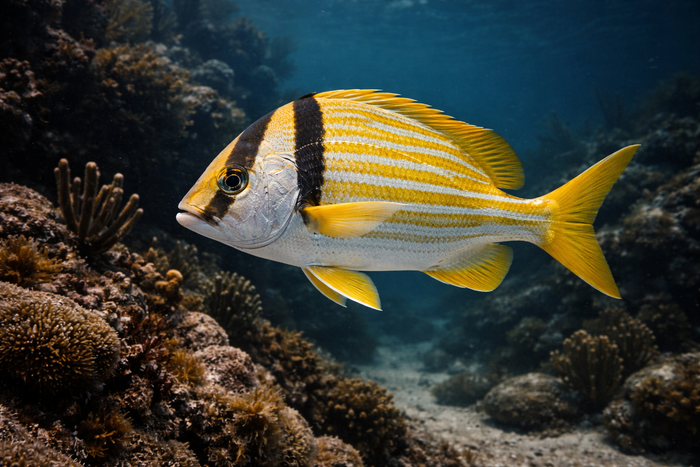
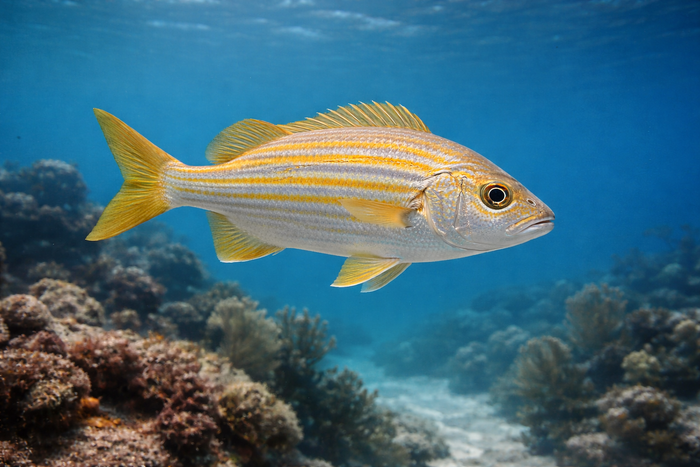
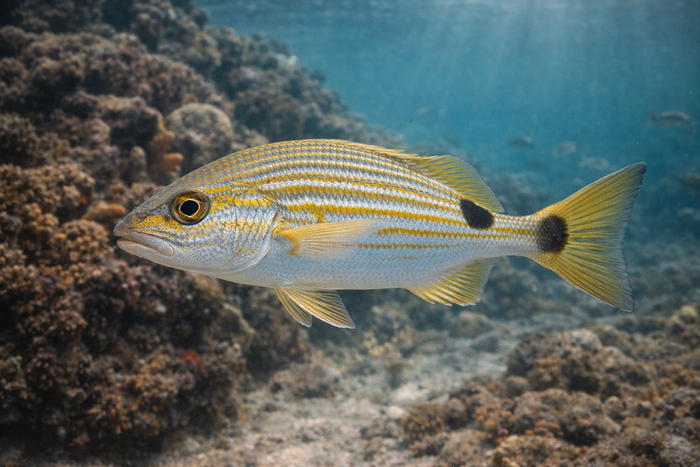
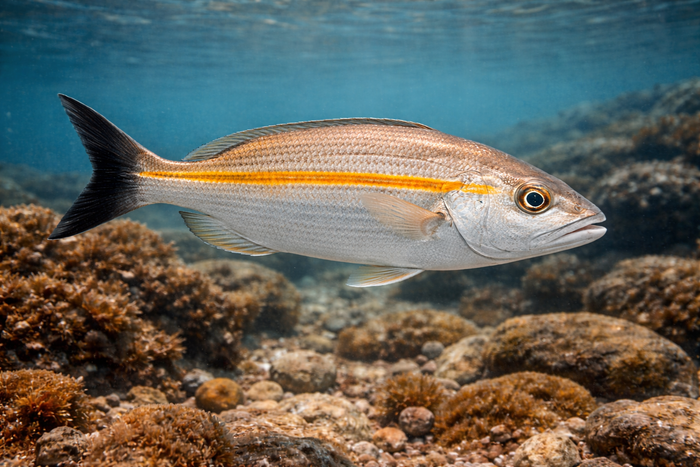
The Bluestriped Grunt is one of those fish that commands attention without trying too hard. Sporting electric blue stripes that cut across a silvery body, this species is a standout in the reef community. Known scientifically as Haemulon sciurus, it’s a staple of tropical Western Atlantic waters and a favorite subject for divers and anglers alike. But beyond its flashy appearance, the Bluestriped Grunt plays a vital role in its ecosystem and offers a fascinating glimpse into reef dynamics.
What Makes the Bluestriped Grunt Unique?
First off, the Bluestriped Grunt’s coloration is a masterclass in underwater signaling. The vivid blue stripes aren’t just for show—they help the fish blend into the shimmering reef environment while confusing predators. Unlike many grunt species that rely on muted colors, this one embraces brightness, making it instantly recognizable.
Another standout feature is its name: “grunt.” This fish earns that title by producing a distinct grunting sound using its pharyngeal teeth and swim bladder. It’s a communication tool, often used to coordinate schooling or warn off threats. This acoustic behavior is a neat evolutionary twist that adds depth to its social interactions.
Bluestriped Grunts also have a robust schooling instinct. They form tight, synchronized groups that move like a single organism. This behavior is not just a defensive tactic but also a strategic way to hunt small invertebrates and plankton during twilight hours.
Habitat & Global Range
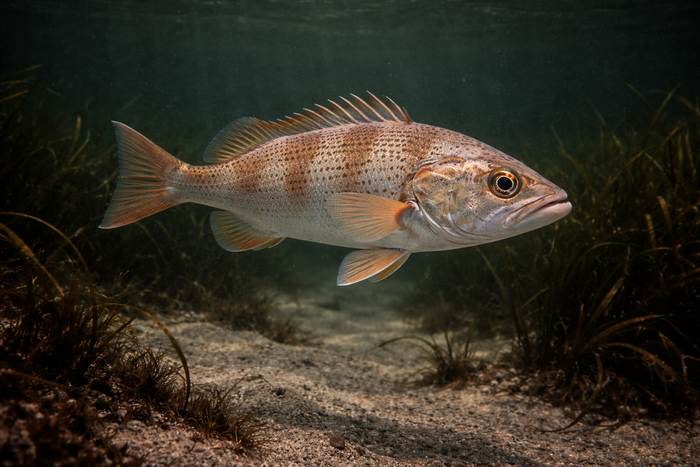
The Bluestriped Grunt calls the Western Atlantic home, ranging from the coastal waters of Florida and the Bahamas down through the Caribbean and as far south as Brazil. Its preferred Bluestriped Grunt habitat is shallow coral reefs, rocky bottoms, and seagrass beds, typically between 2 and 30 meters deep.
These fish thrive in warm, tropical waters where reef structures provide ample shelter and feeding opportunities. The complexity of coral reefs offers perfect nooks for hiding from predators and launching quick strikes on prey. Their presence is often a good indicator of reef health, as they depend on a rich, biodiverse environment to sustain their diet and social behaviors.
Behavior & Temperament
Bluestriped Grunts are diurnal, meaning they’re active during the day and rest at night. They spend daylight hours schooling near reef ledges and crevices, where they can dart quickly to safety if threatened. Their schooling behavior is a textbook example of collective movement, reducing individual risk and confusing predators.
Despite their name and grunting sounds, these fish are generally peaceful. They don’t exhibit aggressive territorial behavior but will defend themselves if cornered. Their diet mainly consists of small crustaceans, worms, and plankton, which they pick off the reef substrate or catch mid-water.
At dusk, Bluestriped Grunts often migrate to deeper waters or sandy bottoms to feed more actively. This crepuscular feeding pattern helps them avoid peak predator activity while maximizing food intake.
Ecological Importance
Bluestriped Grunts are more than just reef showpieces. They play a crucial role in controlling populations of small invertebrates, helping maintain the delicate balance of reef ecosystems. By feeding on crustaceans and worms, they prevent any one species from dominating and potentially damaging coral structures.
Their schooling behavior also attracts larger predators, making them a key link in the food chain. Predators like groupers, snappers, and barracudas rely on Bluestriped Grunts as a primary food source. This dynamic keeps predator populations healthy and balanced.
Additionally, their grunting sounds contribute to the reef’s acoustic environment, which is vital for many marine species that rely on sound for navigation, mating, and territory establishment.
Conservation & Environmental Pressures
While the Bluestriped Grunt is not currently listed as endangered, it faces several environmental pressures that could impact its populations. Habitat degradation, particularly coral reef destruction due to climate change, pollution, and coastal development, poses the biggest threat.
Overfishing is another concern, especially in areas where reef fish are targeted for local consumption or the aquarium trade. Although Bluestriped Grunts are not the primary target, bycatch and habitat disruption can reduce their numbers.
Protecting their habitat is critical. Marine protected areas that safeguard coral reefs and seagrass beds help maintain healthy populations. Monitoring water quality and limiting destructive fishing practices also contribute to their long-term survival.
The FishyAF Take
The Bluestriped Grunt is a prime example of how flashy doesn’t mean frivolous. Its vibrant stripes and distinctive grunts are just the surface of a complex, ecologically significant species. This fish embodies the intricate balance of reef life, from its social schooling tactics to its role in controlling invertebrate populations.
For anyone interested in reef ecosystems or marine biology, Bluestriped Grunt facts offer a window into the subtle interactions that keep coral reefs thriving. Its habitat preferences and behaviors underscore the importance of preserving reef environments—not just for the fish themselves but for the entire marine community.
In short, the Bluestriped Grunt is a reef rockstar with a vital role to play. Keep an eye out for those electric blue stripes next time you’re diving or snorkeling. They’re not just pretty—they’re a sign of a healthy, buzzing underwater world.