Porkfish (Anisotremus virginicus): The Striped Showstopper of the Reef
The Porkfish is not your average reef dweller. With its striking yellow and black stripes and unmistakable bold face, this fish commands attention wherever it swims. Known scientifically as Anisotremus virginicus, the Porkfish is a staple of Caribbean and western Atlantic coral reefs, blending vibrant colors with intriguing behaviors. This species is a living example of how nature’s design can be both functional and flamboyant.
What Makes the Porkfish Unique?
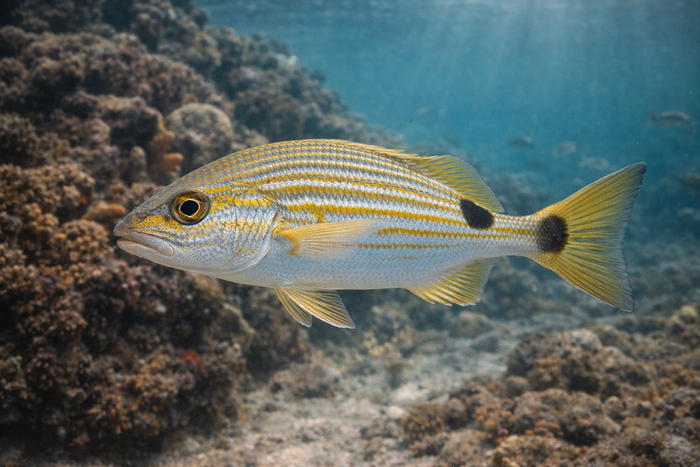
The Porkfish stands out immediately thanks to its vivid coloration: bright yellow body with two thick black vertical bars crossing its eyes and gill covers. This pattern isn’t just for show; it serves as a form of disruptive camouflage among the reef’s complex shadows and corals. The name “Porkfish” comes from the grunting noises it produces, reminiscent of a pig’s snort, a rare trait among reef fish.
Another unique feature is its strong jaw and teeth arrangement, designed for crushing hard-shelled prey like crustaceans and mollusks. Unlike many reef fish that nibble on algae or plankton, the Porkfish is a carnivorous predator with a taste for armored snacks. Its diet and feeding style make it a key player in controlling invertebrate populations on the reef.
Habitat & Global Range
Porkfish are native to the western Atlantic Ocean, ranging from the southeastern United States down through the Caribbean Sea and along the northern coast of South America. They prefer shallow waters, typically between 3 and 30 meters deep, where coral reefs, rocky outcrops, and seagrass beds provide ample shelter and feeding opportunities.
The Porkfish habitat is characterized by complex reef structures that offer hiding spots from predators and abundant prey. They are often found in small groups near reef ledges or sandy bottoms adjacent to coral formations. This preference for diverse reef environments highlights their adaptability within tropical marine ecosystems.
Behavior & Temperament
Porkfish are social creatures, commonly seen schooling in small groups. Their schooling behavior is not just for show; it provides safety in numbers and increases foraging efficiency. They exhibit a curious nature, often approaching divers and snorkelers without hesitation, making them a favorite among underwater photographers.
Despite their friendly appearance, Porkfish can be territorial, especially during breeding seasons. Males establish and defend small territories to attract females. Their communication includes the distinctive grunting sounds, which serve as warnings or social signals within the group.
Porkfish are diurnal, active during the day when they hunt for prey. Their feeding strategy involves picking at the reef substrate to uncover hidden crustaceans and mollusks. This methodical foraging plays a crucial role in maintaining the balance of reef invertebrate populations.
Ecological Importance
The Porkfish’s role in the reef ecosystem is more significant than its size might suggest. By preying on crustaceans and mollusks, it helps regulate populations that could otherwise overgraze or damage coral structures. This predation supports coral health and contributes to the overall biodiversity of the reef.
Additionally, Porkfish serve as prey for larger predatory fish, linking lower and higher trophic levels in the marine food web. Their schooling behavior can confuse predators, but when caught, they provide a nutritious meal that sustains apex predators.
Their grunting sounds also add an acoustic dimension to reef life, influencing the behavior of nearby species. This sonic communication is an often-overlooked aspect of reef dynamics, highlighting the Porkfish’s multifaceted ecological role.
Conservation & Environmental Pressures
While not currently listed as endangered, Porkfish populations face threats common to many reef species. Habitat degradation due to coral bleaching, pollution, and destructive fishing practices impacts their numbers and distribution. The loss of coral reef habitat directly reduces available shelter and feeding grounds.
Overfishing in some regions can also affect Porkfish populations, especially where they are targeted for the aquarium trade or local consumption. Their relatively slow growth and specific habitat needs make them vulnerable to rapid environmental changes.
Conservation efforts focusing on reef protection, sustainable fishing regulations, and marine protected areas indirectly benefit Porkfish by preserving the ecosystems they depend on. Monitoring Porkfish populations can serve as an indicator of reef health, given their sensitivity to habitat changes.
The FishyAF Take
The Porkfish is a vibrant ambassador of reef ecosystems, combining eye-catching looks with essential ecological functions. Its bold stripes and grunts are more than just quirks—they’re adaptations that have carved out a unique niche in the crowded reef environment. Understanding Porkfish facts and habitat preferences reveals a species finely tuned to its surroundings, yet vulnerable to the growing pressures on coral reefs worldwide.
For anyone interested in reef ecology or marine biodiversity, the Porkfish offers a compelling case study in how form, function, and behavior intersect. Protecting this species means protecting the intricate reef systems they inhabit—a reminder that even the flashiest fish depend on a healthy, balanced ocean.