Ornate Wrasse (Thalassoma pavo): The Mediterranean’s Most Colorful Showstopper
The Ornate Wrasse is not your average reef dweller. With a kaleidoscope of colors and a personality as vivid as its scales, this fish commands attention wherever it swims. Found primarily in the Mediterranean and parts of the eastern Atlantic, the Ornate Wrasse is a master of disguise and social complexity. If you want to know what makes this species a standout in the wrasse family, buckle up. This guide dives deep into Ornate Wrasse facts, from its flashy appearance to its critical role in marine ecosystems.
What Makes the Ornate Wrasse Unique?
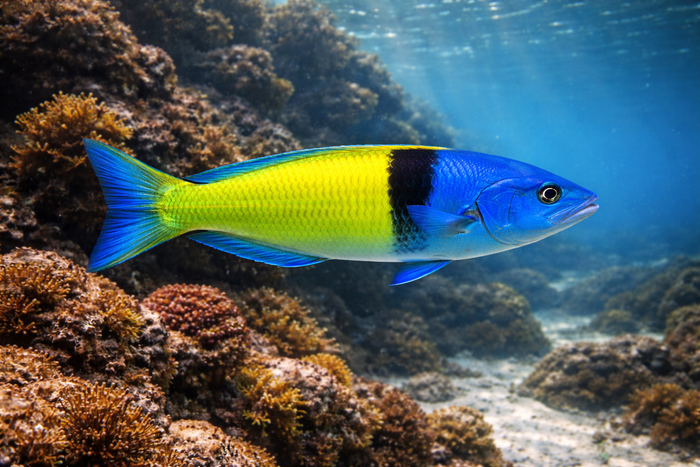
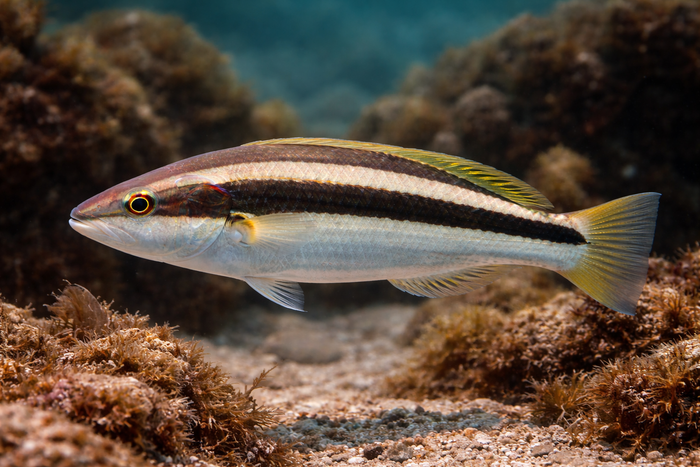
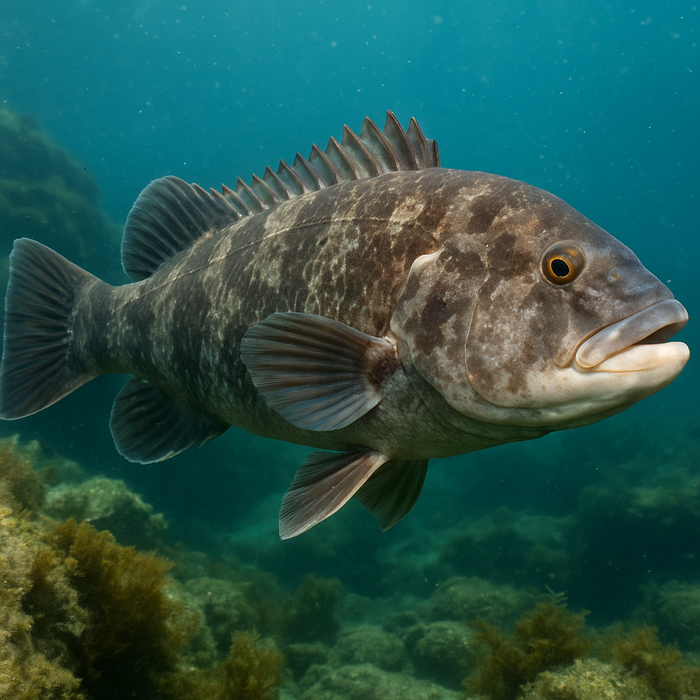
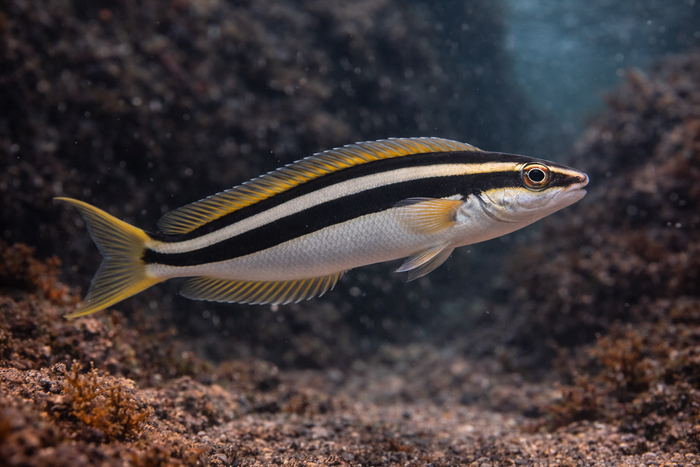
First off, the Ornate Wrasse is a visual knockout. Its body is a canvas of electric blues, greens, yellows, and reds, arranged in bold stripes and spots that seem almost painted on. But this fish isn’t just about looks. It’s a protogynous hermaphrodite, meaning individuals start life as females and can later transform into males. This sex change is not random; it’s a strategic move to dominate breeding hierarchies and maximize reproductive success.
Another standout trait is its agility and speed. Ornate Wrasses are swift swimmers, darting through rocky reefs with precision. Their sharp teeth and strong jaws allow them to feed on a variety of invertebrates, including crustaceans and mollusks. This dietary flexibility is a key survival advantage.
Habitat & Global Range
The Ornate Wrasse calls the Mediterranean Sea home, but its range extends along the eastern Atlantic coast from Portugal down to Senegal. It prefers shallow, rocky reefs and seagrass beds, where it can find ample shelter and food. The Ornate Wrasse habitat is typically between 1 and 50 meters deep, favoring areas with plenty of crevices to hide from predators and rest.
This species thrives in warm temperate waters, making it a common sight in the Mediterranean’s sunlit shallows. The combination of rocky substrates and seagrass meadows creates a complex environment that supports its diverse diet and social behaviors.
Behavior & Temperament
Ornate Wrasses are social but territorial. Males establish and defend breeding territories, often displaying vibrant colors to intimidate rivals and attract females. Outside the breeding season, they can be more tolerant of each other, sometimes forming loose groups.
Their behavior is a mix of curiosity and caution. They investigate divers and snorkelers but keep a safe distance. When threatened, they dart into rocky crevices with lightning speed. Their ability to change sex is tied to social structure: if a dominant male disappears, the largest female will switch sex and take over the territory.
Feeding behavior is active and opportunistic. They hunt small invertebrates by picking them off rocks and seagrass, using their sharp teeth to crush shells. This makes them important predators in their habitat, controlling populations of smaller marine creatures.
Ecological Importance
The Ornate Wrasse plays a vital role in maintaining the balance of Mediterranean reef ecosystems. By preying on invertebrates like sea urchins and crustaceans, they help regulate these populations, preventing overgrazing of seagrass beds and algae overgrowth. This keeps the habitat healthy and supports biodiversity.
Their presence also benefits other species indirectly. Healthy seagrass beds and reefs provide shelter and breeding grounds for countless marine organisms. Ornate Wrasses contribute to this balance by keeping the ecosystem’s checks and balances in place.
Conservation & Environmental Pressures
Despite their vibrant presence, Ornate Wrasses face challenges. Habitat degradation, especially the loss of seagrass beds due to coastal development and pollution, threatens their living spaces. Overfishing and collection for the aquarium trade can also impact local populations.
Climate change adds another layer of pressure. Rising sea temperatures and ocean acidification affect the delicate balance of Mediterranean ecosystems, potentially disrupting breeding cycles and food availability for the Ornate Wrasse.
Currently, the species is not critically endangered, but monitoring is essential. Protecting Ornate Wrasse habitat means preserving the broader health of Mediterranean marine environments. Marine protected areas and sustainable fishing practices are key to ensuring these colorful fish continue to thrive.
The FishyAF Take
The Ornate Wrasse is a prime example of how nature combines beauty with biological savvy. Its flashy colors are more than just eye candy—they’re signals in a complex social game involving sex changes and territorial battles. This fish is a reminder that marine life is layered with fascinating adaptations that keep ecosystems ticking.
If you’re diving or snorkeling in the Mediterranean, spotting an Ornate Wrasse is like seeing a living jewel. But beyond the spectacle, understanding Ornate Wrasse facts and habitat highlights the importance of protecting these vibrant reef communities. They’re not just pretty faces; they’re essential players in the underwater world’s delicate dance. Keep an eye out for these bold, memorable fish—they’re a testament to the Mediterranean’s rich marine tapestry.