Cunner (Tautogolabrus adspersus): The Atlantic’s Colorful Houdini of Rocky Reefs
The Cunner, Tautogolabrus adspersus, is a small but striking fish that commands attention along the rocky coasts of the North Atlantic. Often overshadowed by its more famous cousin, the tautog or blackfish, the Cunner holds its own with vibrant colors and a personality that’s anything but dull. This species is a staple of temperate marine ecosystems, known for its adaptability and bold presence in underwater communities. If you’re diving or fishing in its range, knowing your Cunner facts can add a new layer of appreciation for this underrated reef dweller.
What Makes the Cunner Unique?
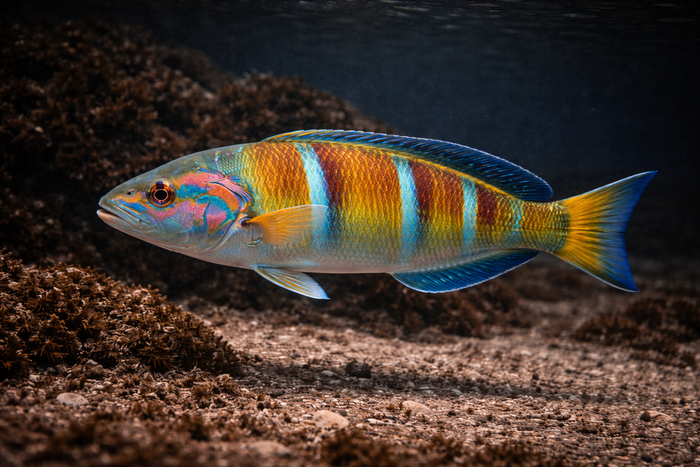
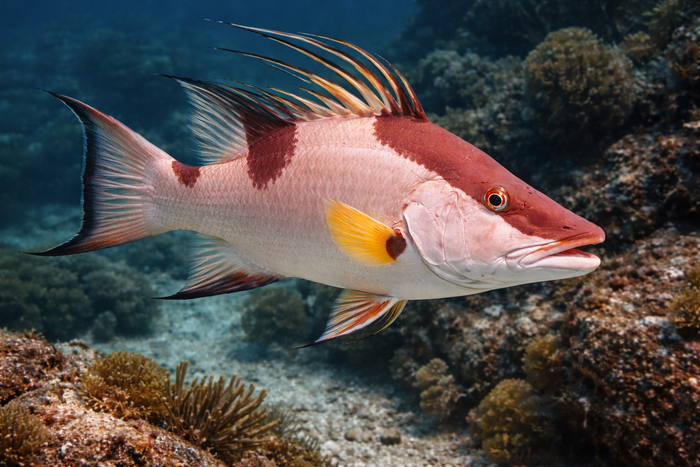
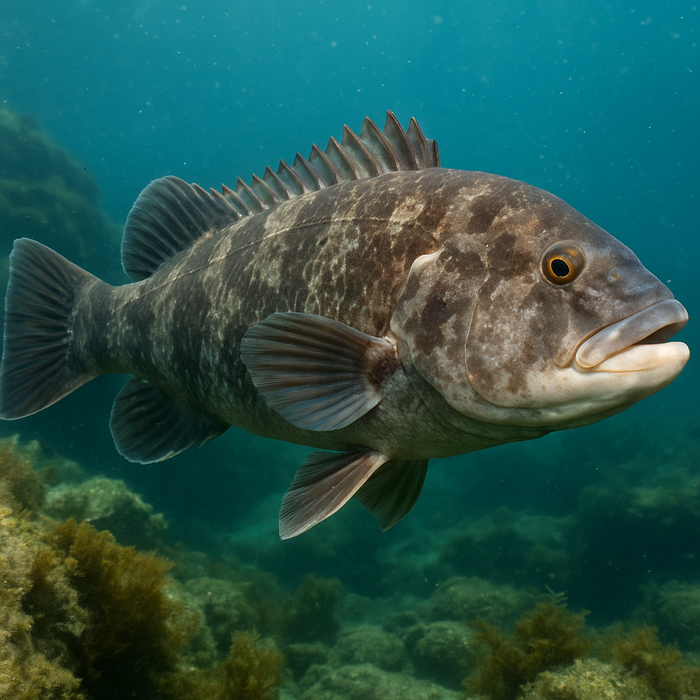
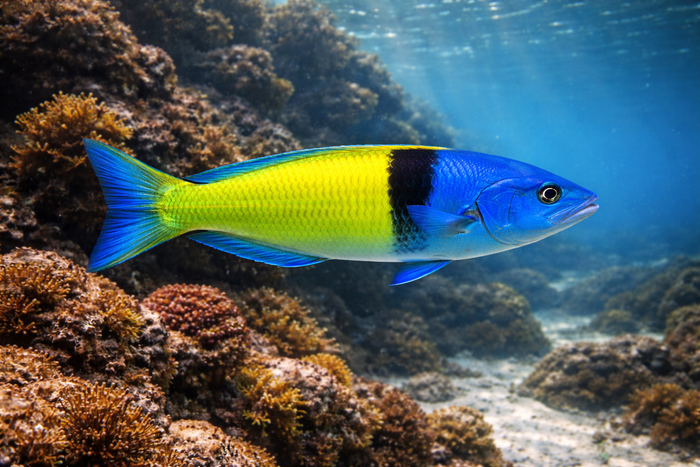
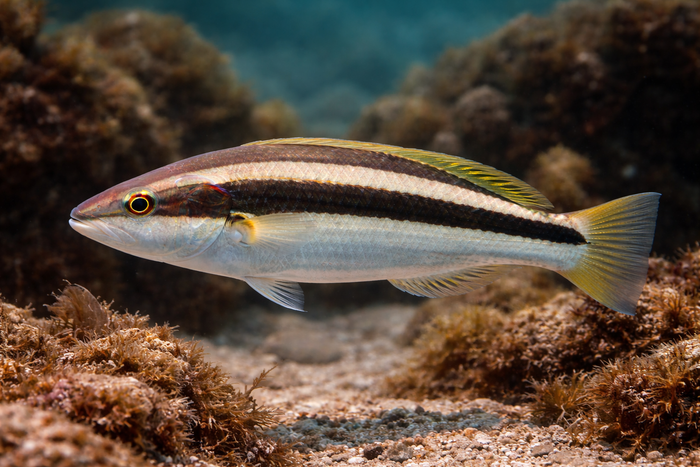
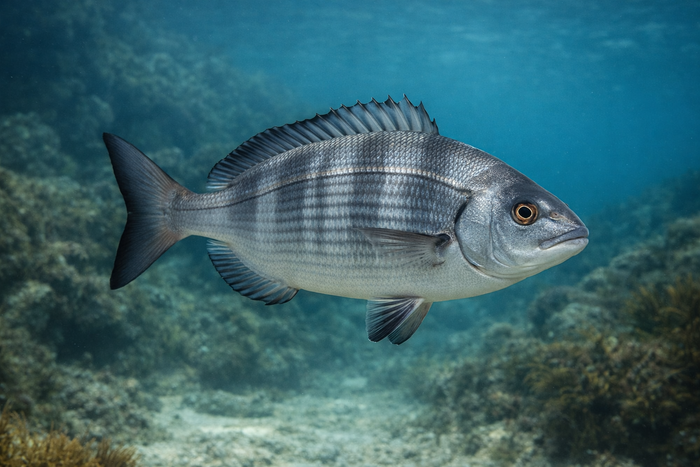
The Cunner stands out with its vivid, often iridescent coloration that shifts from olive green to rusty red, peppered with blue spots and blotches. Unlike many reef fish that rely on camouflage, the Cunner flaunts its colors with confidence. Its body shape is elongated and laterally compressed, designed for quick maneuvers through rocky crevices.
One of the most fascinating aspects of the Cunner is its ability to change sex. Starting life as females, some individuals transition to males as they mature. This sequential hermaphroditism is a clever reproductive strategy that ensures population stability in fluctuating environments.
Cunners also have a reputation for being bold and curious. They don’t shy away from divers or fishermen, often investigating anything new in their territory. This fearless nature makes them a favorite subject for underwater photographers and marine biologists alike.
Habitat & Global Range
Cunner habitat is primarily rocky reefs and kelp beds along the North Atlantic coast, stretching from Nova Scotia down to North Carolina. They thrive in shallow waters but can be found as deep as 100 meters. Their preference for complex structures like boulders, shipwrecks, and underwater ledges provides shelter from predators and abundant feeding grounds.
This species is well-adapted to the temperate waters of the northwest Atlantic. Seasonal changes influence their behavior and distribution, with Cunners often moving to deeper waters during colder months. Their ability to tolerate a range of temperatures and salinities makes them resilient in the face of environmental shifts.
Behavior & Temperament
Cunners are territorial and exhibit strong site fidelity, often sticking close to their chosen reef patch. They are diurnal feeders, active during the day and retreating to crevices at night. Their diet is opportunistic, including small crustaceans, mollusks, and various invertebrates. This generalist feeding strategy helps them survive in diverse conditions.
Socially, Cunners can be seen alone or in small groups. Males tend to be more territorial, especially during breeding season when they guard nests aggressively. Despite their boldness, they are not aggressive toward divers or larger fish, preferring to avoid unnecessary conflict.
Their curious nature extends to interactions with humans. Divers often report Cunners approaching closely, sometimes even accepting food. This behavior is rare among wild fish and highlights their adaptability and intelligence.
Ecological Importance
Cunners play a vital role in maintaining the health of rocky reef ecosystems. By preying on invertebrates like sea urchins and crustaceans, they help control populations that could otherwise overgraze kelp forests and disrupt the habitat balance. This predation supports biodiversity and the structural integrity of the reef.
Additionally, Cunners serve as prey for larger predatory fish and marine mammals, linking lower and higher trophic levels. Their presence indicates a healthy reef system, making them an important species for ecological monitoring.
Their nesting habits also contribute to the reef environment. By cleaning and defending nest sites, males help maintain microhabitats that benefit other marine organisms.
Conservation & Environmental Pressures
While not currently listed as endangered or threatened, Cunners face several environmental pressures. Habitat degradation from coastal development, pollution, and climate change poses risks to their rocky reef homes. Ocean warming and acidification can alter the availability of prey and suitable shelter, potentially impacting population dynamics.
Fishing pressure is generally low, as Cunners are not a primary target species. However, they are sometimes caught as bycatch in traps and nets aimed at other fish. Their slow growth and site fidelity mean that localized overfishing could have significant effects.
Conservation efforts focused on protecting coastal habitats and maintaining water quality indirectly benefit Cunner populations. Marine protected areas that encompass rocky reefs and kelp beds provide safe havens where these fish can thrive without human interference.
The FishyAF Take
The Cunner is a standout example of how small, often overlooked species can be ecological powerhouses. Its bold colors, intriguing reproductive strategy, and fearless behavior make it a fascinating subject for anyone interested in marine life. Understanding Cunner facts and habitat needs is crucial for appreciating the complexity of temperate reef ecosystems.
If you’re exploring the North Atlantic’s rocky shores, keep an eye out for this colorful character. The Cunner may not steal the spotlight like bigger game fish, but it’s a vital thread in the underwater tapestry. Protecting its habitat ensures that future generations can continue to witness this Atlantic reef’s vibrant, bold Houdini in action.