Cocoa Dameselfish (Stegastes variabilis): Small Fish, Big Attitude in the Reef Arena
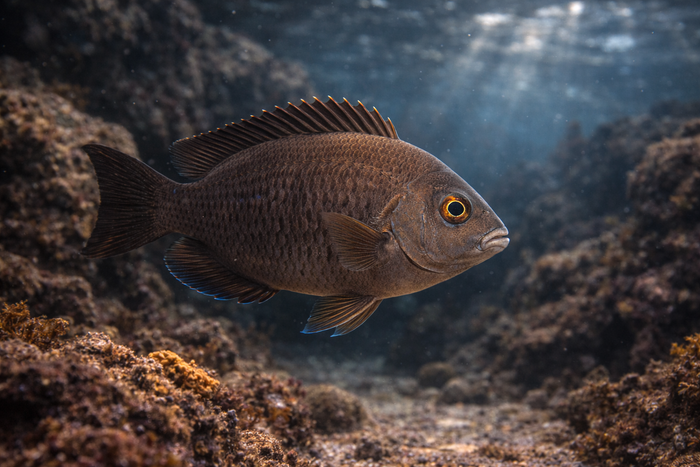
The Cocoa Dameselfish, Stegastes variabilis, is a standout character in the reef world. Though modest in size, this fish commands attention with its striking coloration and territorial swagger. Known for its rich cocoa-brown body contrasted with vibrant blue highlights, it’s a species that reef enthusiasts and marine biologists alike find fascinating. This guide dives deep into Cocoa Dameselfish facts, revealing what makes this species a bold player in its underwater neighborhood.
What Makes the Cocoa Dameselfish Unique?
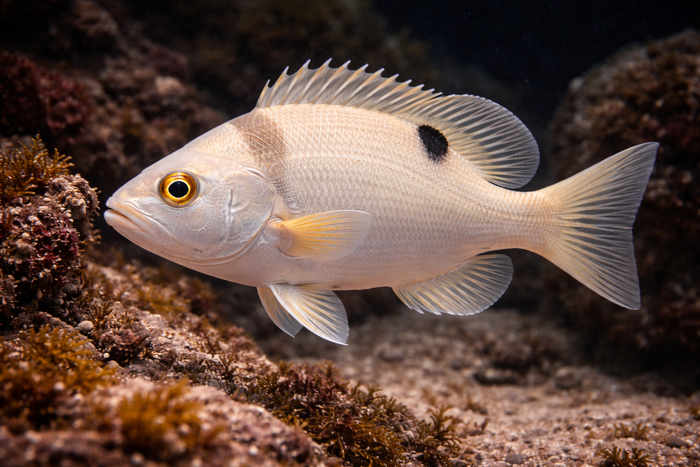
The Cocoa Dameselfish is not your average reef dweller. Its defining feature is its intense territoriality paired with a surprisingly complex social structure. Unlike many reef fish that dart and hide, the Cocoa Dameselfish stakes out a patch of coral and defends it fiercely. Its coloration isn’t just for show; the dark brown body with electric blue edges on its fins serves as a warning signal to intruders. This fish is a master of both camouflage and confrontation.
Another unique trait is its role as a gardener of the reef. The Cocoa Dameselfish actively cultivates algae within its territory, trimming and maintaining patches to ensure a steady food supply. This behavior is a rare example of farming in fish, showcasing a level of environmental manipulation that’s both fascinating and ecologically significant.
Habitat & Global Range
The Cocoa Dameselfish calls the warm, shallow waters of the western Atlantic home. Its range stretches from the southern United States down through the Caribbean and into parts of northern South America. This species thrives in coral reef environments, particularly favoring areas with abundant coral heads and rocky substrates where it can establish its territory.
Cocoa Dameselfish habitat is typically characterized by clear waters with plenty of sunlight, essential for the growth of the algae they farm. They prefer depths ranging from just a few feet to about 30 meters, where they can maintain visibility and defend their turf effectively. Their presence is a good indicator of healthy reef systems, as they rely on intact coral structures for shelter and food cultivation.
Behavior & Temperament
If you think small fish are meek, think again. The Cocoa Dameselfish is notoriously aggressive, especially when defending its patch. It will chase away much larger fish and even divers who venture too close. This boldness is a survival strategy, ensuring access to food and breeding grounds.
Socially, these fish are mostly solitary or found in small groups, each individual holding a defined territory. Males are particularly territorial during breeding seasons, displaying vibrant colors and performing elaborate dances to attract females. Their nests are carefully guarded, with both parents often involved in protecting eggs from predators.
Their farming behavior means they spend a lot of time tending to their algae gardens, removing unwanted species and promoting the growth of preferred algae. This not only feeds them but also shapes the local reef ecology, influencing which species dominate the benthic environment.
Ecological Importance
The Cocoa Dameselfish plays a crucial role in maintaining the balance of reef ecosystems. By farming algae, they prevent overgrowth of certain species that could otherwise smother corals. Their territorial defense also creates microhabitats where smaller, less aggressive species can find refuge.
Their aggressive behavior helps control populations of potential coral predators, indirectly supporting coral health. Additionally, their nests provide food sources for various scavengers, integrating them into the complex reef food web.
In essence, the Cocoa Dameselfish is both a gardener and a gatekeeper, shaping the reef environment in ways that ripple through the ecosystem. Understanding these Cocoa Dameselfish facts highlights their importance beyond just being a colorful reef resident.
Conservation & Environmental Pressures
Like many reef inhabitants, the Cocoa Dameselfish faces threats from habitat degradation. Coral bleaching, pollution, and destructive fishing practices reduce the quality and availability of their habitat. Since they rely heavily on healthy coral structures for territory and food farming, any decline in reef health directly impacts their populations.
Climate change poses a significant risk by altering water temperatures and increasing the frequency of bleaching events. These changes can disrupt the delicate balance of algae growth and coral health that the Cocoa Dameselfish depends on.
While not currently listed as endangered, local populations can suffer from overfishing and habitat loss. Protecting reef habitats and enforcing sustainable fishing regulations are essential steps to ensure the survival of this species and the broader reef community it supports.
The FishyAF Take
The Cocoa Dameselfish is a prime example of how small fish can pack a big punch in reef ecosystems. Its bold personality, territorial nature, and farming behavior make it a fascinating subject for anyone interested in marine life. Far from being just another pretty face, this fish is a dynamic force shaping its environment.
For reef hobbyists and conservationists alike, understanding Cocoa Dameselfish facts and habitat needs is crucial. Protecting these fish means protecting the reefs they help maintain. So next time you spot a Cocoa Dameselfish, remember you’re looking at a tiny warrior and caretaker rolled into one. This species proves that in the ocean, size doesn’t dictate influence—attitude and ecological role do.