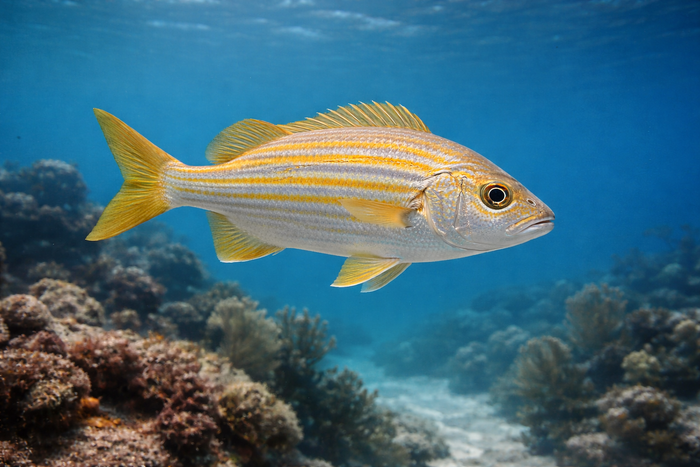
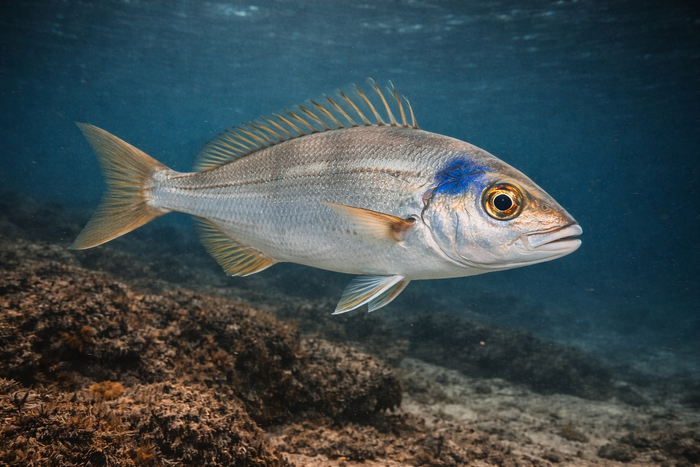
Dusky Dame (Stegastes adustus): The Territorial Tank Commander of the Reef
The Dusky Dame is not your average reef fish. With its moody, dusky coloration and fierce attitude, this damselfish stakes its claim like a tiny underwater warlord. Found in the Caribbean and parts of the western Atlantic, the Dusky Dame is a staple of coral reef ecosystems, known for its territorial behavior and striking presence. If you’re diving into Dusky Dame facts, prepare to meet a fish that’s as bold as it is beautiful.
What Makes the Dusky Dame Unique?
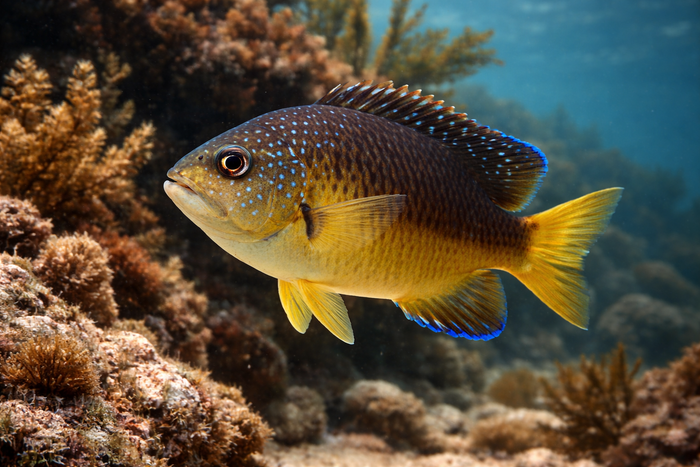
Forget the flashy neon colors of many reef fish; the Dusky Dame sports a more subdued, smoky palette that blends perfectly with the reef’s shadows. But don’t let its muted tones fool you. This species is a master of defense and territory control. Unlike many damselfish that flit nervously, the Dusky Dame holds its ground with surprising aggression. It’s a small fish with a big attitude, fiercely guarding patches of algae it farms for food.
Its body shape is compact and robust, built for quick dashes and sharp turns. The Dusky Dame’s eyes are large and expressive, scanning constantly for intruders. This fish’s ability to maintain and defend a territory rich in algae is a key survival strategy, setting it apart from other reef dwellers that rely more on hiding or schooling.
Habitat & Global Range
The Dusky Dame calls the warm waters of the western Atlantic home, with a stronghold in the Caribbean Sea. Its habitat is primarily shallow coral reefs and rocky substrates where algae grow thick. These environments provide both food and shelter, allowing the Dusky Dame to establish and defend its turf effectively.
Dusky Dame habitat is typically within the upper reef slopes and lagoon areas, often at depths ranging from just a few feet to around 30 meters. The fish prefers areas with plenty of crevices and coral heads, which serve as both lookout points and refuge. This species thrives in environments where competition for space is fierce, and its territorial nature helps it carve out a niche.
Behavior & Temperament
If you think damselfish are just pretty reef decorations, think again. The Dusky Dame is a textbook example of territorial aggression. It patrols its patch relentlessly, chasing away intruders with quick lunges and sharp nips. This behavior isn’t just about food; it’s about survival and reproductive success.
During breeding season, males become even more aggressive, guarding nests and fanning eggs to keep them oxygenated. The Dusky Dame’s parenting skills are hands-on and intense, with males investing significant energy into protecting their offspring from predators and rival fish.
Socially, Dusky Dames are mostly solitary within their territories but will tolerate neighbors as long as boundaries are respected. When boundaries blur, expect a showdown. This fish’s bold temperament makes it a standout in the reef community, often dominating smaller or less aggressive species.
Ecological Importance
The Dusky Dame plays a vital role in reef ecosystems. By farming algae within its territory, it helps control algal growth, preventing it from overwhelming corals. This balance is crucial for maintaining healthy reefs, as unchecked algae can smother coral polyps and reduce biodiversity.
Its aggressive territorial behavior also influences the spatial distribution of other reef species, shaping community dynamics. The Dusky Dame’s nest-guarding contributes to the next generation of reef inhabitants, supporting population stability.
In short, the Dusky Dame is a small but powerful ecosystem engineer. Its presence signals a functioning reef system where algae, coral, and fish interact in a delicate but dynamic balance.
Conservation & Environmental Pressures
Like many reef species, the Dusky Dame faces threats from habitat degradation and climate change. Coral bleaching, pollution, and destructive fishing practices reduce the quality and availability of its habitat. Since the Dusky Dame depends heavily on healthy coral and algal growth, any disruption to this balance can impact its survival.
Ocean warming and acidification also pose risks by altering reef composition and reducing coral resilience. While the Dusky Dame is not currently listed as endangered, its dependence on vulnerable reef habitats means conservation efforts must consider the entire ecosystem.
Protecting Dusky Dame habitat means protecting coral reefs at large. Marine protected areas, sustainable fishing regulations, and pollution control are critical to ensuring this species continues to thrive.
The FishyAF Take
The Dusky Dame is a prime example of how even the less flashy reef residents pack a punch in terms of personality and ecological impact. Its moody colors and fierce demeanor make it a memorable character on the reef stage. If you want to understand reef dynamics, you can’t overlook the role of this territorial powerhouse.
Dusky Dame facts reveal a fish that’s more than just a pretty face; it’s a guardian of its patch, a farmer of algae, and a key player in reef health. Its bold behavior and ecological importance underscore why reef conservation matters—not just for the showy species but for the unsung heroes like the Dusky Dame.
In the grand underwater drama, the Dusky Dame commands respect. It’s a reminder that size doesn’t dictate influence, and sometimes the most unassuming fish have the biggest impact. Keep an eye out for this dusky warrior next time you’re exploring Caribbean reefs. It’s a fish that demands attention, and for good reason.