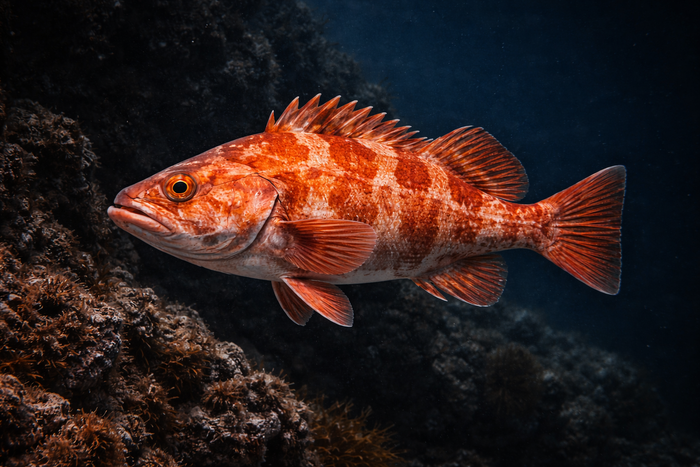
Garibaldi (Hypsypops rubicundus): The Vibrant Orange Rebel of the Pacific
The Garibaldi is not your average reef fish. With its blazing orange color and fearless attitude, it stands out like a neon sign in the underwater world. Native to the eastern Pacific, this species has earned a reputation for being both visually striking and behaviorally bold. If you’re diving off the coast of California or Baja California, spotting a Garibaldi is like seeing a celebrity in their natural habitat—impossible to ignore and impossible to forget.
What Makes the Garibaldi Unique?
Forget blending in. The Garibaldi’s bright orange body is a biological billboard, warning rivals and attracting mates alike. This fish is the official marine state fish of California, and for good reason. Its territorial nature is legendary; males aggressively defend their nesting sites with relentless vigor. They’ll chase off much larger fish and even divers who get too close. This isn’t just bravado—it’s a survival strategy to protect their eggs and ensure the next generation.
Another unique trait is the Garibaldi’s breeding behavior. Males create and maintain elaborate nests on rocky reefs, cleaning and guarding them with obsessive dedication. During breeding season, males display a series of rapid, jerky movements to attract females. Once eggs are laid, the male’s job shifts to full-time babysitter, fanning the eggs to keep them oxygenated and warding off predators.
Habitat & Global Range
The Garibaldi’s habitat is as specific as its personality. It thrives in rocky reefs and kelp forests along the Pacific coast of North America, primarily from Monterey Bay, California, down to Baja California, Mexico. This fish prefers shallow waters, typically between 3 to 30 meters deep, where the complex structure of rocks and kelp provides ample hiding spots and nesting sites.
Garibaldi habitat is characterized by temperate waters, which means it’s adapted to cooler temperatures compared to many tropical reef fish. The kelp forests it calls home are dynamic ecosystems, offering both food and shelter. These environments support a diverse community, and the Garibaldi plays a distinct role within this underwater neighborhood.
Behavior & Temperament
If the Garibaldi had a personality profile, it would read: territorial, aggressive, and fiercely protective. Unlike many reef fish that dart away at the slightest disturbance, Garibaldis confront threats head-on. Males especially are known for their territorial aggression during breeding season, but even outside of it, they don’t shy from defending their space.
Socially, Garibaldis are mostly solitary or found in small groups. Their interactions are dominated by territorial disputes rather than schooling behavior. They communicate through body language—flaring fins, rapid movements, and direct charges. This fish doesn’t waste time with subtlety.
Their diet is opportunistic but focused. They graze on algae and small invertebrates, contributing to the balance of their ecosystem. Their feeding habits help control algal growth on reefs, which is crucial for maintaining healthy kelp forests.
Ecological Importance
The Garibaldi is more than just a flashy reef dweller; it’s an important ecological player. By feeding on algae, it prevents overgrowth that can smother kelp and other vital marine plants. This grazing supports the health and diversity of kelp forest ecosystems, which are among the most productive and biologically rich habitats in the ocean.
Moreover, the Garibaldi’s nesting behavior influences the microhabitats on rocky reefs. Their nests provide shelter and surfaces for other organisms to colonize, indirectly boosting local biodiversity. Their aggressive defense of territory also shapes the spatial distribution of other reef species, contributing to the complex balance of reef communities.
Conservation & Environmental Pressures
Despite its boldness, the Garibaldi faces challenges. Coastal development, pollution, and climate change threaten its kelp forest habitat. Rising ocean temperatures and acidification impact kelp growth and the overall health of reef ecosystems. Since Garibaldis rely heavily on these habitats for food and breeding, any decline in kelp forests directly affects their populations.
Fortunately, the Garibaldi benefits from legal protections in California, where it is illegal to collect or harm them. Marine protected areas have also helped preserve critical habitats. However, ongoing environmental pressures require continued vigilance. Protecting Garibaldi habitat means safeguarding entire kelp forest ecosystems, which are vital not just for this fish but for countless marine species.
The FishyAF Take
The Garibaldi is a standout example of how personality and ecology intertwine in the marine world. Its vivid color and fearless behavior make it a natural ambassador for kelp forest conservation. This fish doesn’t just survive in its environment—it actively shapes it. For anyone interested in marine life, Garibaldi facts offer a window into the complexity and resilience of temperate reef ecosystems.
If you want a fish that commands attention and plays a crucial ecological role, the Garibaldi is your go-to. It’s a reminder that sometimes, being bold and territorial isn’t just about attitude—it’s about survival and stewardship in a changing ocean. Keep an eye out for this fiery orange rebel next time you explore the Pacific coast’s underwater landscapes.