Painted Comber (Serranus scriba): The Mediterranean’s Striped Predator with a Flair for Drama
The Painted Comber, Serranus scriba, is not your average reef dweller. With its vivid stripes and bold personality, this fish stands out in the crowded underwater world. Known for its striking coloration and sharp hunting skills, the Painted Comber is a fascinating subject for anyone interested in marine life. This species guide dives into the essentials of Painted Comber facts, its habitat, behavior, and why it deserves more attention in the marine ecosystem conversation.
What Makes the Painted Comber Unique?
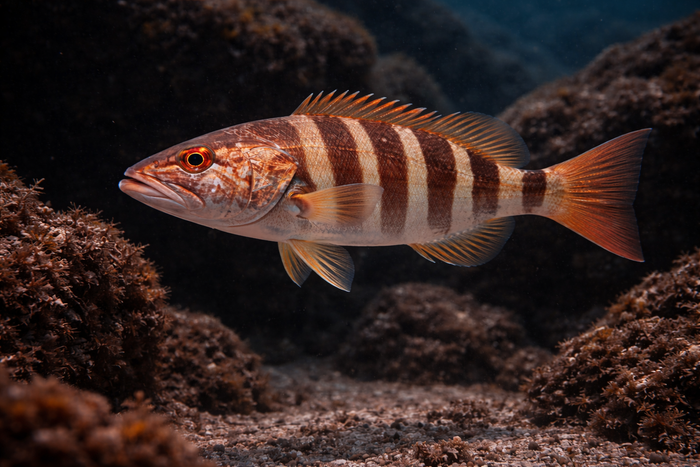
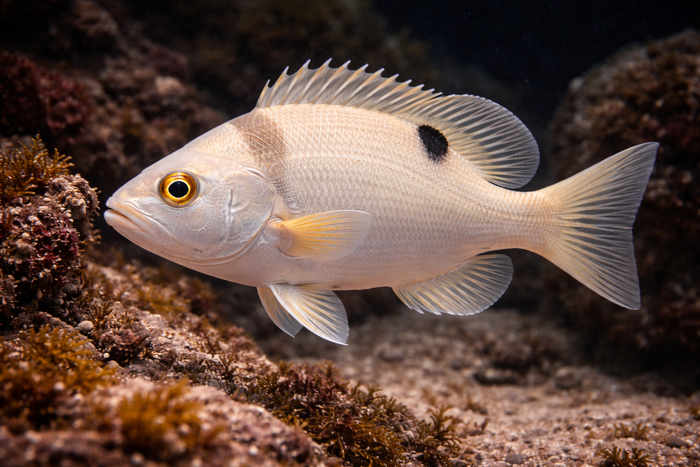
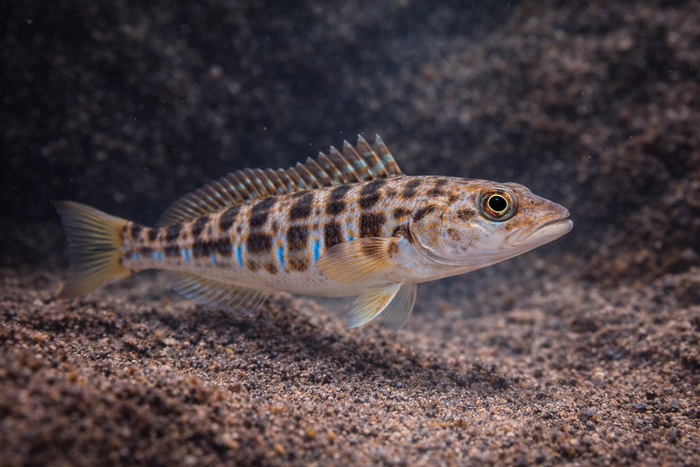
The Painted Comber’s most obvious feature is its flamboyant pattern—wavy dark stripes and spots on a pale background that look like an underwater Picasso. But it’s not just a pretty face. This fish is a member of the Serranidae family, which includes groupers and sea basses, known for their predatory prowess. Unlike many of its relatives, the Painted Comber is a protogynous hermaphrodite, meaning individuals start life as females and can later change to males. This biological quirk plays a significant role in their social structure and breeding strategies.
Another standout trait is its hunting technique. The Painted Comber is an ambush predator, relying on stealth and quick bursts of speed to snatch prey. It feeds mainly on small fish, crustaceans, and mollusks, using its sharp teeth to grip and immobilize. Its bold coloration isn’t just for show—it can serve as camouflage among rocky reefs and seagrass beds, breaking up its outline to confuse prey and predators alike.
Habitat & Global Range
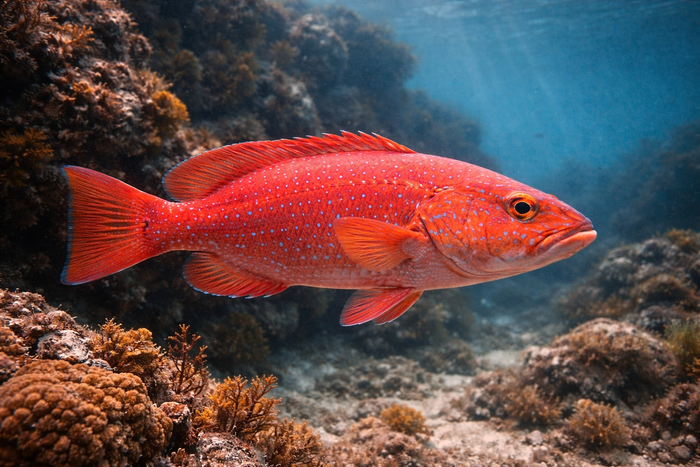
Painted Comber habitat is primarily coastal, favoring rocky bottoms, seagrass meadows, and sometimes sandy patches near reefs. This species is native to the Mediterranean Sea and the eastern Atlantic Ocean, ranging from the British Isles down to Senegal. It thrives in shallow waters, typically between 5 and 50 meters deep, where it can exploit the complex structures of reefs and rocky outcrops for shelter and hunting grounds.
The Painted Comber’s preference for temperate waters means it’s less common in tropical zones but highly adapted to the Mediterranean’s unique conditions. Its presence is a good indicator of healthy benthic environments, where biodiversity is rich and the ecosystem is balanced.
Behavior & Temperament
This fish is territorial and somewhat solitary, especially males during the breeding season. Painted Combers establish and defend small home ranges, often returning to the same crevices and caves. They are diurnal hunters, active during the day when visibility is high, which suits their ambush tactics.
Despite their solitary nature, Painted Combers exhibit interesting social dynamics during spawning. Males become more aggressive and vibrant in color to attract females and ward off rivals. Outside of breeding, they are relatively shy but will not hesitate to defend their turf against intruders.
Their temperament can be described as bold but calculated. They don’t waste energy chasing prey over long distances but instead rely on patience and precision. This makes them efficient predators and fascinating subjects for behavioral studies.
Ecological Importance
The Painted Comber plays a crucial role in maintaining the balance of coastal marine ecosystems. As a mid-level predator, it helps regulate populations of smaller fish and invertebrates, preventing any single species from dominating and disrupting the habitat.
By preying on crustaceans and mollusks, Painted Combers indirectly influence the health of seagrass beds and coral reefs. Overpopulation of these prey species can lead to overgrazing or bioerosion, so the Painted Comber’s hunting keeps these pressures in check.
Furthermore, their presence supports biodiversity by contributing to the complex food web. Predators like the Painted Comber are indicators of ecosystem health, signaling that the environment can sustain diverse marine life.
Conservation & Environmental Pressures
While the Painted Comber is not currently listed as endangered, it faces several environmental pressures that could impact its populations. Habitat degradation, especially from coastal development and pollution, threatens the rocky and seagrass habitats they depend on.
Overfishing is another concern. Although not a primary target for commercial fisheries, Painted Combers are often caught as bycatch or collected for the aquarium trade. Unsustainable practices can reduce their numbers and disrupt local ecological balances.
Climate change also poses a risk by altering water temperatures and affecting prey availability. Shifts in the Mediterranean’s ecosystem could force Painted Combers to adapt quickly or face population declines.
Conservation efforts focused on protecting coastal habitats and regulating fishing practices are essential to ensure the Painted Comber remains a vibrant part of marine biodiversity.
The FishyAF Take
The Painted Comber is a prime example of how beauty and function coexist underwater. Its striking appearance grabs attention, but it’s the fish’s ecological role and adaptive behaviors that make it truly remarkable. For anglers, divers, and marine enthusiasts, understanding Painted Comber facts and habitat is key to appreciating the complexity of Mediterranean coastal ecosystems.
This species reminds us that even mid-sized predators have outsized impacts on their environment. Protecting the Painted Comber means preserving the delicate balance of life beneath the waves. So next time you spot those bold stripes darting through the rocks, remember you’re witnessing a master of survival and a vital player in the marine world’s ongoing drama.