Strawberry Grouper (Cephalopholis spiloparaea): The Reef’s Spotted Predator with a Taste for the Unexpected
The Strawberry Grouper, Cephalopholis spiloparaea, is a striking reef dweller that commands attention with its vivid coloration and stealthy hunting style. This species stands out among groupers not just for its appearance but for its role in coral reef ecosystems. If you’re diving into Strawberry Grouper facts, prepare to meet a fish that blends beauty with brute efficiency.
What Makes the Strawberry Grouper Unique?
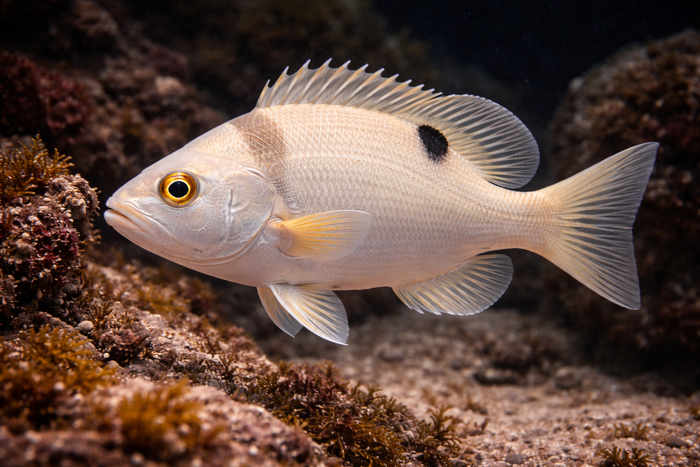
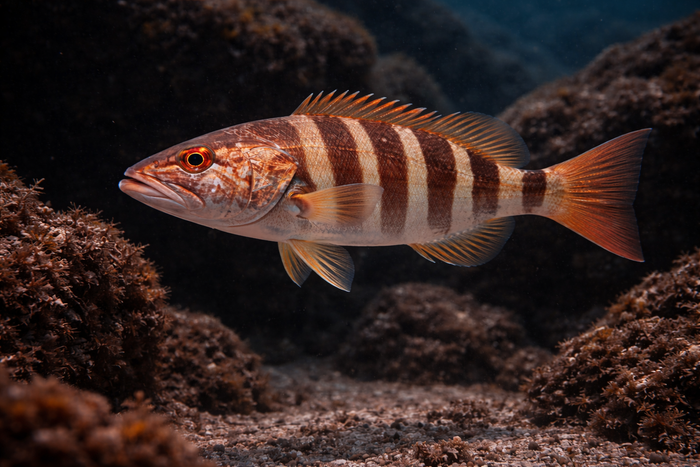
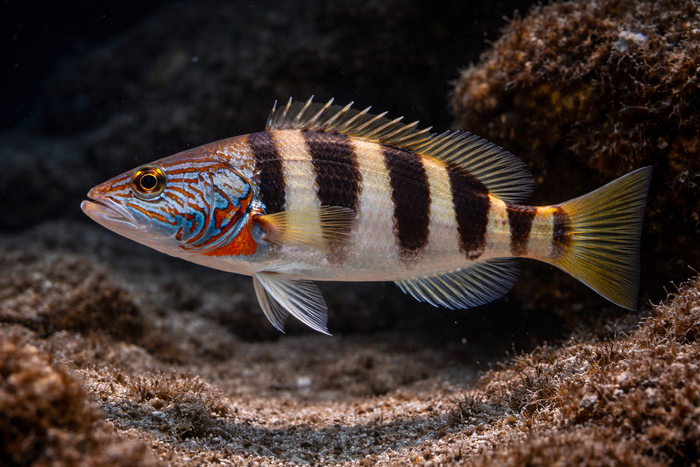
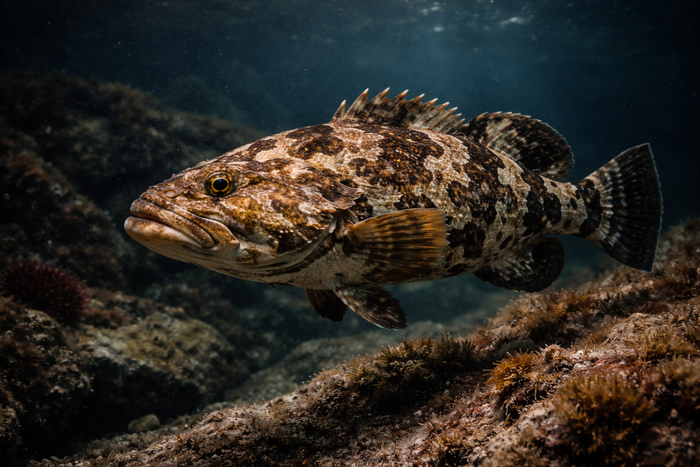
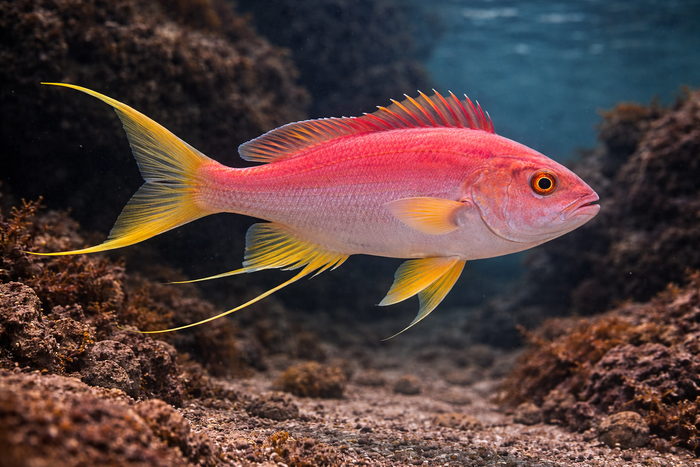
The Strawberry Grouper’s hallmark is its vibrant red-orange body peppered with small, dark spots that resemble strawberry seeds—hence the name. Unlike many groupers that sport more muted tones, this fish’s coloration is both a camouflage and a warning. Its pattern breaks up its outline among the coral branches, allowing it to ambush prey with surgical precision.
Another unique trait is its size and shape. While not the largest grouper, it has a robust, muscular body built for quick bursts of speed. This fish is a solitary hunter, relying on stealth rather than brute force. Its large mouth and sharp teeth are perfectly designed for snapping up smaller reef fish and crustaceans.
Strawberry Groupers also exhibit interesting social behavior. They are protogynous hermaphrodites, meaning individuals start life as females and can later change to males. This sex change is often triggered by social cues, such as the absence of a dominant male, ensuring reproductive success within their population.
Habitat & Global Range
Strawberry Grouper habitat is primarily shallow coral reefs and rocky substrates in the Indo-Pacific region. You’ll find them scattered from the eastern coast of Africa, across the Indian Ocean, to the western Pacific islands. They prefer depths ranging from 5 to 40 meters, where coral complexity provides ample hiding spots and hunting grounds.
These fish thrive in warm, tropical waters with stable temperatures and high biodiversity. The structural complexity of the reef is critical for their survival, offering shelter from predators and ambush points for prey. The health of their habitat directly influences their population density and distribution.
Behavior & Temperament
This grouper is a classic ambush predator. It spends much of its time motionless, blending into the coral environment, waiting for the perfect moment to strike. When prey ventures too close, the Strawberry Grouper explodes into action, using its powerful jaws to create a vacuum that sucks in unsuspecting fish or crustaceans.
Despite their predatory nature, Strawberry Groupers are relatively shy around divers and larger fish. They tend to retreat into crevices if disturbed. However, during breeding seasons, males become more territorial and may display aggressive behaviors to defend their patch of reef and attract females.
They are solitary by nature, rarely forming schools or large groups. This solitary lifestyle reduces competition for food and mates but also means they rely heavily on the quality of their immediate habitat.
Ecological Importance
Strawberry Groupers play a vital role in maintaining the balance of reef ecosystems. As mid-level predators, they help control populations of smaller reef fish and invertebrates, preventing any one species from dominating and disrupting the ecological equilibrium.
Their predation supports coral health indirectly by keeping herbivorous fish populations in check, which in turn affects algal growth on reefs. Healthy predator-prey dynamics contribute to the resilience of coral reefs, especially in the face of environmental stressors.
Moreover, groupers like the Strawberry Grouper are indicators of reef health. Their presence and abundance often reflect the overall condition of the reef system, making them important species for monitoring ecosystem changes.
Conservation & Environmental Pressures
Despite their ecological importance, Strawberry Groupers face several threats. Overfishing is a significant concern, especially in regions where groupers are prized for their meat. Their slow growth and late maturity make them vulnerable to population declines when fishing pressure is high.
Habitat degradation is another critical issue. Coral reefs worldwide are suffering from bleaching events, pollution, and destructive fishing practices. Since Strawberry Grouper habitat is closely tied to healthy coral reefs, any damage to these environments directly impacts their survival.
Climate change compounds these problems by altering water temperatures and ocean chemistry, further stressing coral ecosystems. Conservation efforts must focus on protecting reef habitats and implementing sustainable fishing regulations to ensure the Strawberry Grouper remains a thriving part of marine biodiversity.
The FishyAF Take
The Strawberry Grouper is a perfect example of how nature combines form and function to create a predator that’s as beautiful as it is efficient. Its distinctive spotted pattern and stealth hunting tactics make it a standout in the crowded world of reef fish. But beyond its looks, this grouper is a crucial player in reef ecosystems, helping maintain balance and biodiversity.
If you’re interested in reef conservation or just want to know more about the fascinating creatures beneath the waves, the Strawberry Grouper is a species worth watching. Protecting their habitat means preserving the intricate web of life on coral reefs, a task that’s more urgent than ever. Next time you dive into Strawberry Grouper facts, remember you’re looking at a fish that’s both a survivor and a sentinel of the reef’s health.