Black Sea Bass (Centropristis striata): The Coastal Contender with a Colorful Personality
The Black Sea Bass is no wallflower of the Atlantic seaboard. This striking fish commands attention with its bold patterns and dynamic behavior. Known scientifically as Centropristis striata, it’s a staple of both recreational fishing and commercial harvest along the eastern coast of North America. But beyond its culinary appeal, the Black Sea Bass is a fascinating species with complex social structures and a vital role in marine ecosystems. If you want to understand what makes this fish tick, you’re in the right place.
What Makes the Black Sea Bass Unique?
Black Sea Bass stand out for their remarkable ability to change sex during their lifetime—a trait known as protogynous hermaphroditism. Most individuals start life as females and later transition to males, usually when they reach a certain size or social status. This sex change is not just biological trivia; it shapes their social hierarchy and breeding success.
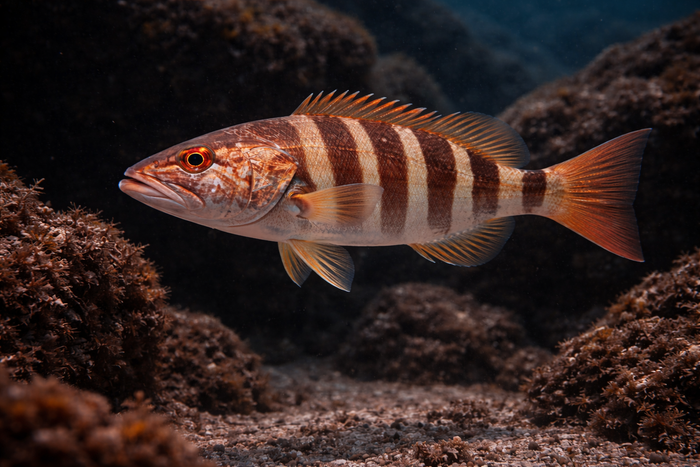
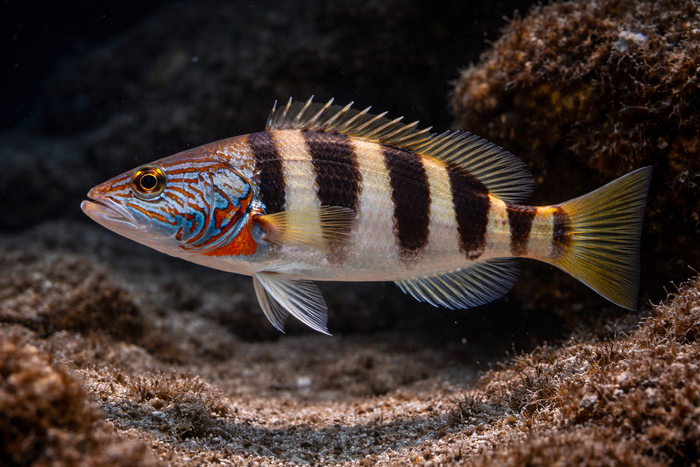
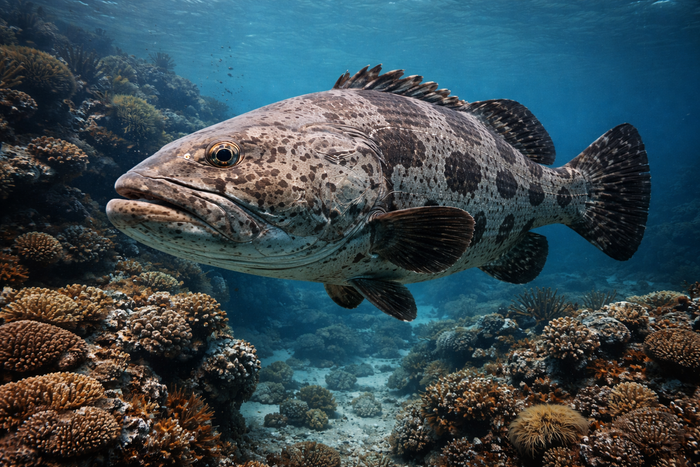
Visually, Black Sea Bass are a canvas of dark blues, blacks, and subtle iridescent greens, with males often sporting more vivid coloration during spawning seasons. Their bodies are robust, with a spiny dorsal fin that adds to their formidable appearance. Unlike many bass species, they prefer structured habitats like rocky reefs, wrecks, and artificial reefs, where they can hide and hunt with precision.
Habitat & Global Range
Black Sea Bass habitat is primarily coastal and continental shelf waters of the western Atlantic Ocean. Their range stretches from the Gulf of Maine down to the Florida Keys and into the northern Gulf of Mexico. They thrive in temperate waters, typically between 10 and 130 meters deep, favoring rocky bottoms, ledges, and man-made structures.
Seasonally, these fish migrate offshore during colder months and return to shallower waters in spring and summer for spawning. This migration pattern is tightly linked to water temperature and food availability. Their preference for complex habitats makes them a favorite target for anglers who know where to find the reefs and wrecks that Black Sea Bass call home.
Behavior & Temperament
Black Sea Bass are territorial and social creatures. Males establish and defend territories during the breeding season, often gathering harems of females. Their behavior includes elaborate courtship displays, where males flare their fins and change color to attract mates.
Outside of spawning, they can be somewhat solitary or found in small groups. Their diet is opportunistic, feeding on crustaceans, mollusks, and small fish. They use their strong jaws and teeth to crush hard-shelled prey, showcasing their adaptability as predators.
Their temperament is bold but not aggressive toward humans, making them a popular catch for sport fishermen. However, their territorial nature means they can be competitive among themselves, especially during breeding seasons.
Ecological Importance
Black Sea Bass play a crucial role in maintaining the balance of coastal ecosystems. As mid-level predators, they help control populations of smaller fish and invertebrates, preventing any single species from dominating the habitat. Their feeding habits contribute to the health of reef communities by managing prey species that might otherwise overgraze or disrupt the environment.
Moreover, they serve as prey for larger predators such as sharks and groupers, linking multiple trophic levels. Their presence indicates a healthy reef system, making them a valuable species for monitoring ecosystem health.
Conservation & Environmental Pressures
Despite their resilience, Black Sea Bass face several environmental pressures. Overfishing has historically impacted their populations, especially given their slow growth and complex reproductive cycle. Because males are fewer and larger, removing big individuals can disrupt breeding dynamics and reduce reproductive success.
Habitat degradation also poses a threat. Coastal development, pollution, and destruction of reef habitats reduce the available shelter and breeding grounds essential for their survival. Climate change adds another layer of complexity, altering water temperatures and potentially shifting their range northward.
Management efforts have been put in place, including size limits, seasonal closures, and catch quotas, to ensure sustainable populations. These measures recognize the species’ ecological importance and the economic value they hold for fisheries.
The FishyAF Take
Black Sea Bass is a species that demands respect. It’s not just another fish on the line; it’s a key player in coastal ecosystems with a fascinating life history that challenges simple fishing strategies. Understanding Black Sea Bass facts—like their sex-changing ability and habitat preferences—gives anglers and conservationists alike a clearer picture of how to interact with this species responsibly.
If you’re targeting Black Sea Bass, know that you’re dealing with a fish that’s smart, territorial, and deeply tied to its environment. Protecting their habitat and respecting fishing regulations isn’t just good practice—it’s essential for keeping these bold coastal contenders thriving for generations to come.