Potato Grouper (Epinephelus tukula): The Ocean’s Chunky Predator with a Taste for Adventure
The Potato Grouper, Epinephelus tukula, is not your average reef dweller. This hefty, boldly patterned fish commands attention with its chunky frame and distinctive spotted appearance. Known for its impressive size and striking coloration, the Potato Grouper is a key player in tropical and subtropical marine ecosystems. Whether you’re a diver, angler, or marine enthusiast, understanding this species offers a window into the complex world of reef predators and their role in ocean health.
What Makes the Potato Grouper Unique?
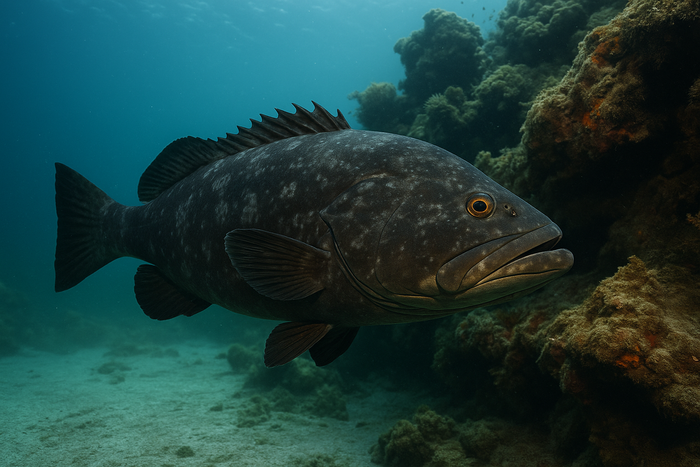
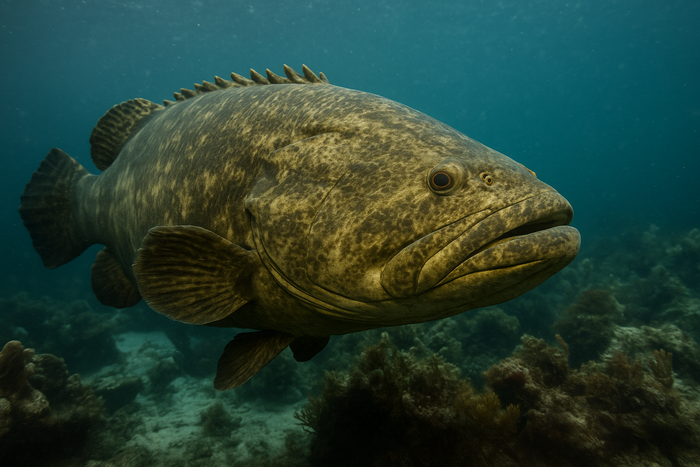
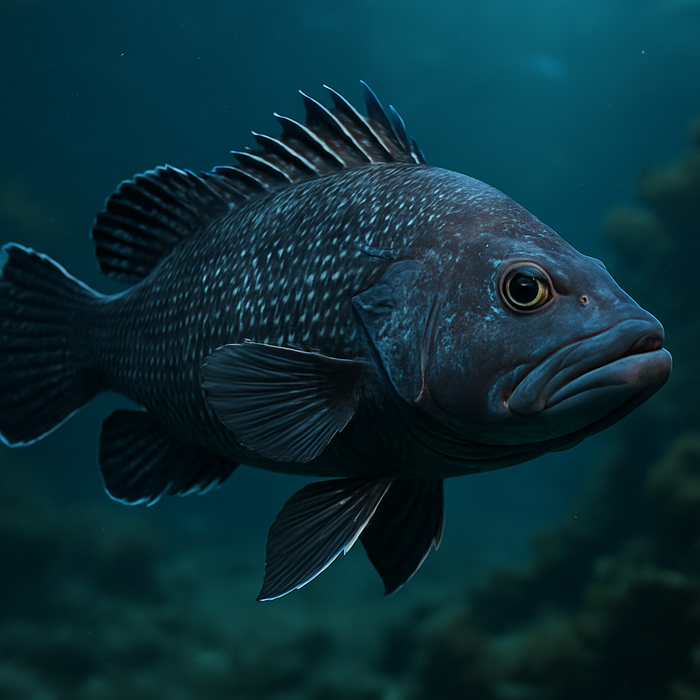
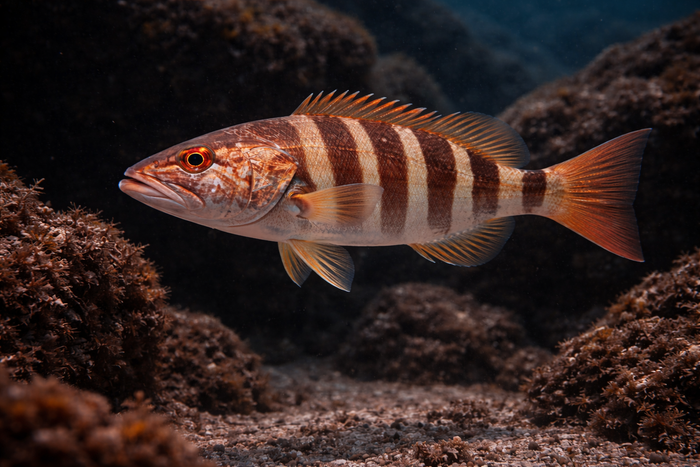
The Potato Grouper stands out for several reasons. Its name comes from the irregular, potato-like spots scattered across its body, giving it a camouflage advantage among rocky reefs and coral formations. Unlike many groupers that sport more uniform patterns, the Potato Grouper’s blotchy design is both functional and distinctive.
Size matters here. This species can grow impressively large, making it one of the more formidable reef predators. Its robust body and powerful jaws allow it to ambush prey with explosive speed. Unlike some groupers that rely on stealth alone, the Potato Grouper combines patience with sudden bursts of aggression.
Another unique trait is its adaptability. While many groupers stick to coral reefs, the Potato Grouper is comfortable in a variety of habitats, from rocky outcrops to deeper offshore reefs. This versatility helps it maintain a broad distribution and a diverse diet, feeding on fish, crustaceans, and cephalopods.
Habitat & Global Range
The Potato Grouper’s habitat is a story of tropical and subtropical waters across the Indo-Pacific region. You’ll find it from the eastern coast of Africa, across the Indian Ocean, and into the western Pacific, including parts of Australia and Southeast Asia. Its range is extensive but patchy, often tied to the availability of suitable reef structures.
Potato Grouper habitat typically includes coral reefs, rocky reefs, and sometimes deeper offshore reefs down to about 100 meters. It prefers complex environments where it can use its camouflage and ambush tactics effectively. Juveniles often inhabit shallower reef flats and lagoons, gradually moving to deeper waters as they mature.
This species’ preference for rugged underwater landscapes means it plays a vital role in reef ecosystems, often occupying the top predator niche. Its presence signals a healthy reef system, as it requires abundant prey and intact habitat to thrive.
Behavior & Temperament
Potato Groupers are solitary hunters with a reputation for being bold and territorial. They patrol their chosen reef sections with purpose, using their spotted pattern to blend into the background until the perfect moment to strike. Their hunting style is classic grouper: patient stalking followed by a rapid lunge to capture prey.
Despite their size and power, Potato Groupers are not aggressive toward humans unless provoked. Divers often report curiosity rather than hostility. However, these fish are known to defend their territory fiercely against other predators or rival groupers.
Reproduction in Potato Groupers involves complex social behaviors. They are protogynous hermaphrodites, meaning individuals start life as females and can later change to males. This sex change is often triggered by social cues and population dynamics, ensuring reproductive success even in fluctuating environments.
Ecological Importance
The Potato Grouper is a keystone predator in its ecosystem. By controlling populations of smaller fish and invertebrates, it helps maintain the balance necessary for coral reef health. Overpopulation of prey species can lead to overgrazing on corals or algae blooms, which disrupt reef stability.
Their predation patterns also influence the behavior and distribution of other reef inhabitants, creating a dynamic balance that supports biodiversity. The Potato Grouper’s role extends beyond just predator-prey interactions; it contributes to the overall resilience of reef systems.
Furthermore, as a large, long-lived species, the Potato Grouper serves as an indicator of reef health. Declines in their populations often signal broader environmental issues such as overfishing or habitat degradation.
Conservation & Environmental Pressures
Despite its wide range, the Potato Grouper faces significant conservation challenges. Overfishing is the primary threat, driven by its value in commercial and recreational fisheries. Its slow growth and late maturity make it vulnerable to population declines, as heavy fishing pressure can outpace natural reproduction.
Habitat degradation also poses a serious risk. Coral reef destruction from climate change, pollution, and coastal development reduces the available habitat for Potato Groupers. Loss of reef complexity diminishes their ability to hunt and reproduce effectively.
Marine protected areas and fishing regulations are critical tools in conserving Potato Grouper populations. Some regions have implemented size limits, seasonal closures, and no-take zones to help populations recover. However, enforcement and compliance remain inconsistent.
The FishyAF Take
The Potato Grouper is a heavyweight contender in the reef ecosystem, combining brute strength with clever camouflage. Its bold spots are more than just a fashion statement—they’re a survival strategy honed by evolution. This species embodies the delicate balance of reef life, where predator and prey dance a high-stakes game.
If you’re serious about understanding reef dynamics or want to appreciate the complexity of marine food webs, the Potato Grouper is a must-know species. Its presence signals a healthy reef, but its decline warns of trouble beneath the waves.
Protecting Potato Grouper habitat and populations isn’t just about saving one fish—it’s about preserving the intricate reef systems that support countless species, including humans. Next time you hear about Potato Grouper facts or habitat, remember this chunky predator’s outsized role in ocean health and the urgent need to safeguard its future.