Black Grouper (Mycteroperca bonaci): The Reef’s Shadowy Giant You Can’t Ignore
If you’re serious about saltwater fishing or reef ecology, the Black Grouper demands your attention. This heavyweight predator prowls the western Atlantic with a presence as commanding as its size. Known scientifically as Mycteroperca bonaci, the Black Grouper is a master of stealth and power, blending into rocky reefs and wrecks before striking with explosive force. Understanding this species goes beyond the thrill of the catch—it’s about appreciating a key player in marine ecosystems and recognizing the challenges it faces today.
What Makes the Black Grouper Unique?
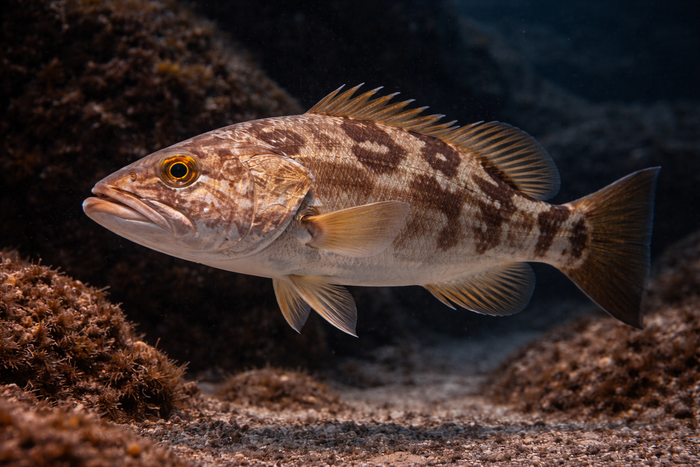
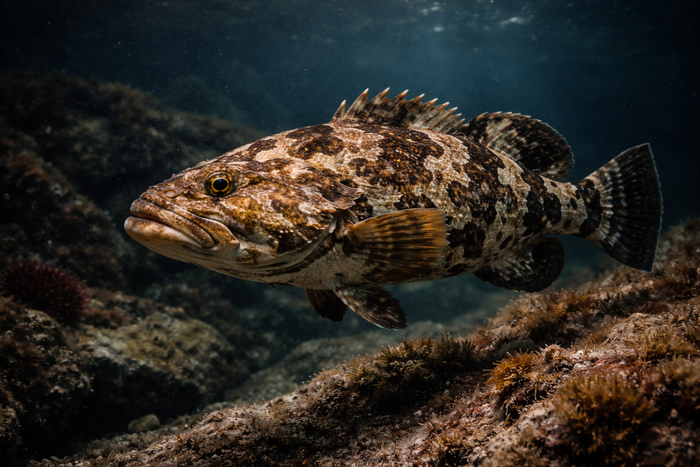
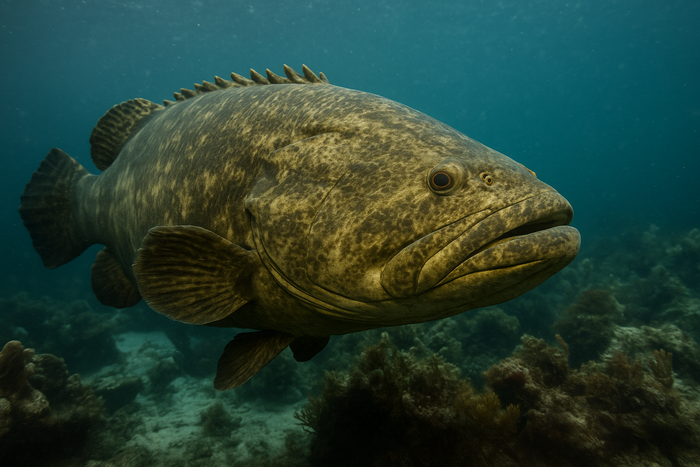
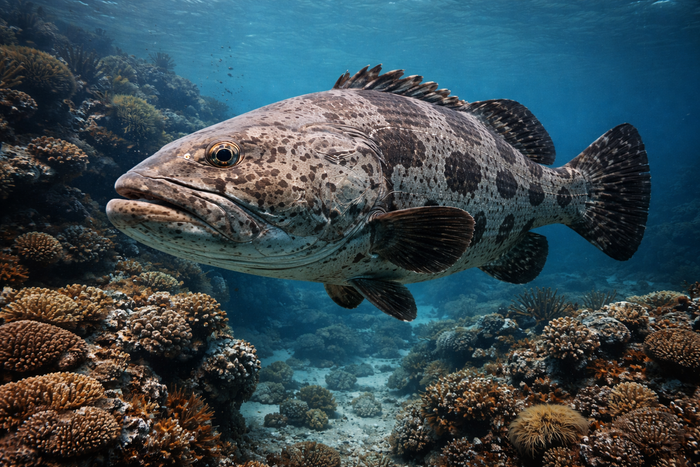
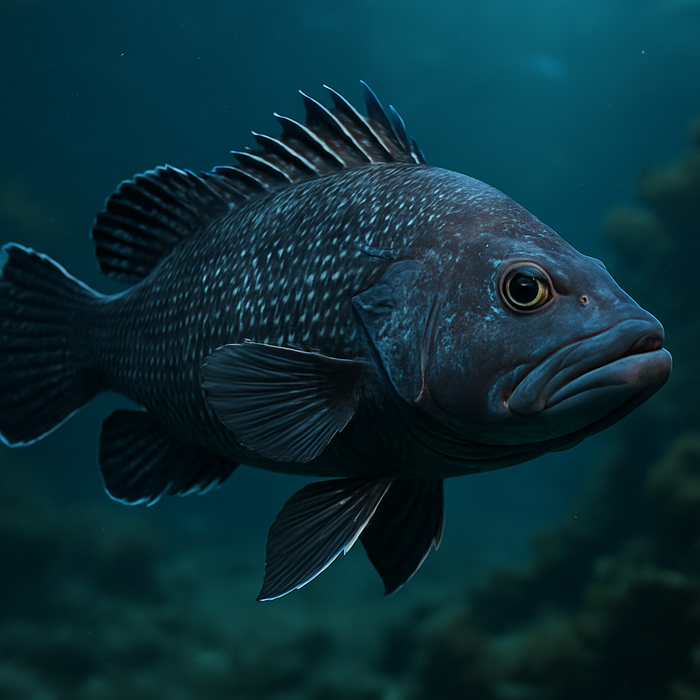
The Black Grouper is not just another big fish lurking in the depths. Its robust, elongated body is covered in dark blotches and spots that help it vanish into complex reef structures. Unlike many fish that rely on speed, the Black Grouper uses ambush tactics, waiting patiently before lunging at prey with a cavernous mouth capable of swallowing prey whole. This species is a protogynous hermaphrodite, meaning individuals start life as females and later transition to males. This biological twist plays a critical role in their population dynamics and breeding strategies.
Black Groupers are also known for their impressive longevity and slow growth rates. They don’t rush to maturity, which makes their populations vulnerable to overfishing. Their diet is diverse, including fish, octopuses, and crustaceans, making them apex predators in their habitats. This versatility in feeding habits contributes to their success but also ties them tightly to the health of reef ecosystems.
Habitat & Global Range
Black Grouper habitat spans the western Atlantic Ocean, from the coastal waters of North Carolina down through the Gulf of Mexico and the Caribbean Sea, extending as far south as Brazil. They prefer rocky ledges, coral reefs, and artificial structures like shipwrecks, typically found at depths ranging from 10 to 100 meters. These environments provide the perfect cover for their ambush hunting style.
Their affinity for complex structures means they are often found in areas with high biodiversity. The Black Grouper’s presence is a good indicator of reef health because they require abundant prey and suitable shelter. Seasonal migrations are common, often linked to spawning aggregations where large numbers gather in specific locations to reproduce. These aggregations are critical for sustaining populations but also make the fish vulnerable to targeted fishing.
Behavior & Temperament
Black Groupers are solitary hunters with a reputation for patience and precision. They don’t chase prey over long distances but instead rely on camouflage and sudden bursts of speed. Their behavior is methodical, often hovering near reef crevices or wrecks, waiting for the perfect moment to strike.
During the spawning season, their behavior shifts dramatically. Males become territorial and aggressive, defending prime spawning sites. These gatherings can attract anglers and divers alike, but they also highlight the species’ reproductive vulnerability. Outside of spawning, Black Groupers maintain relatively low activity levels, conserving energy for hunting and growth.
Despite their size and power, Black Groupers are not aggressive toward humans unless provoked. They are curious but cautious, often retreating when approached. This temperament makes them a prized target for sport fishing but also a species that benefits from respectful handling and conservation-minded angling practices.
Ecological Importance
As apex predators, Black Groupers play a crucial role in maintaining the balance of reef ecosystems. By preying on mid-level fish and invertebrates, they help control populations that could otherwise overgraze or disrupt coral communities. Their presence supports biodiversity by keeping the food web in check.
Moreover, Black Groupers contribute to nutrient cycling within reef systems. Their feeding and movement patterns help redistribute nutrients, supporting coral growth and the overall productivity of the habitat. The health of Black Grouper populations is often linked to the resilience of the reefs they inhabit.
Their role extends beyond ecology into economics and culture. Black Groupers are highly valued in commercial and recreational fisheries, supporting livelihoods and local economies. Sustainable management of this species is essential to preserve both ecological integrity and human benefits.
Conservation & Environmental Pressures
Black Grouper populations face significant threats from overfishing, habitat degradation, and climate change. Their slow growth and late maturity mean that heavy fishing pressure can quickly deplete local stocks. Spawning aggregations are particularly vulnerable to exploitation, as fish gather predictably in large numbers, making them easy targets.
Habitat loss from coral reef decline, pollution, and coastal development further compounds the problem. As reefs degrade, the shelter and prey base for Black Groupers shrink, leading to population stress. Climate change adds another layer of complexity, with warming waters and ocean acidification impacting reef health and fish behavior.
Conservation efforts focus on protecting spawning sites, implementing size and catch limits, and establishing marine protected areas. These measures aim to allow Black Grouper populations to recover and maintain their ecological roles. Anglers and fisheries managers are increasingly aware that sustainable practices are not optional but necessary for the species’ future.
The FishyAF Take
The Black Grouper is a heavyweight contender in the reef world, both literally and figuratively. It’s a species that demands respect for its ecological importance and caution due to its vulnerability. If you’re chasing Black Grouper facts or scouting Black Grouper habitat, remember you’re dealing with a slow-growing, long-lived predator that anchors reef ecosystems.
This fish isn’t just a trophy; it’s a vital piece of a complex puzzle. Overfishing and habitat loss threaten to unravel that puzzle, but with informed conservation and responsible fishing, the Black Grouper can remain a dominant force beneath the waves. Whether you’re a scientist, angler, or reef enthusiast, understanding the Black Grouper’s biology and challenges is key to ensuring this shadowy giant continues to thrive.