Longtail Seabass (Lates calcarifer): The Apex Predator with a Tail That Commands Attention
The Longtail Seabass, scientifically known as Lates calcarifer, is a heavyweight contender in the world of predatory fish. Known for its striking elongated tail and aggressive hunting style, this species has earned a reputation that commands respect from anglers and marine biologists alike. Far from just another fish in the sea, the Longtail Seabass packs a punch in both ecological impact and sporting challenge. If you’re diving into Longtail Seabass facts, prepare for a deep dive into a fish that’s as fascinating as it is formidable.
What Makes the Longtail Seabass Unique?
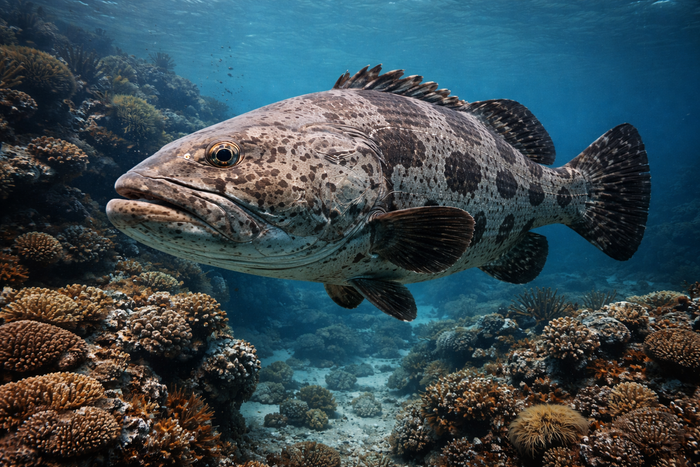
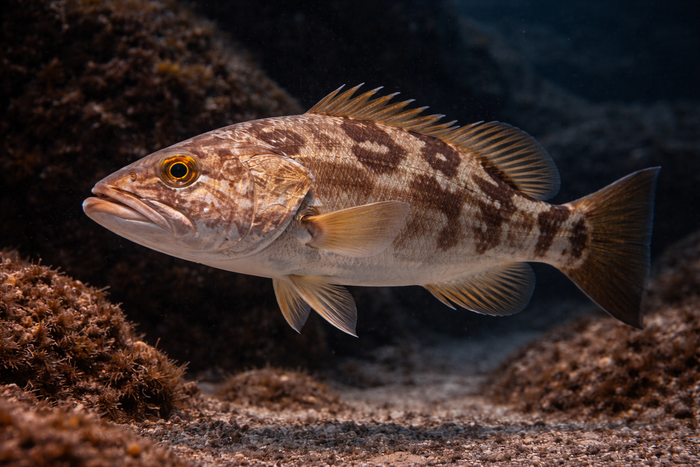
The Longtail Seabass stands out primarily due to its distinctive tail, which is longer and more tapered than that of its close relatives. This tail isn’t just for show; it enhances the fish’s speed and maneuverability, making it a top-tier predator in its environment. Unlike many seabass species that stick to coastal reefs or rocky bottoms, the Longtail Seabass is an opportunistic hunter that thrives in a variety of aquatic settings.
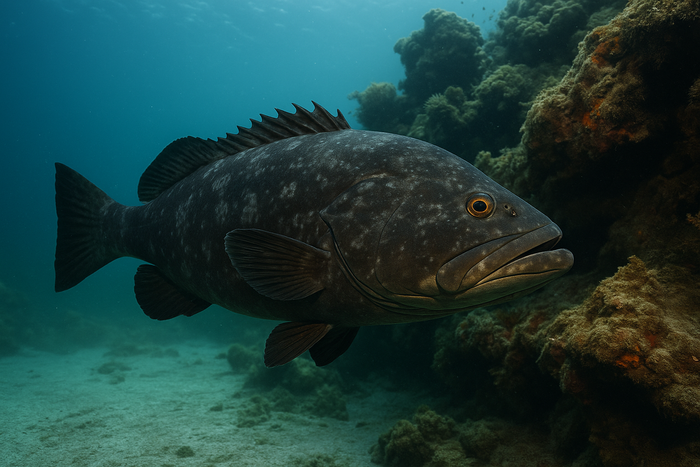
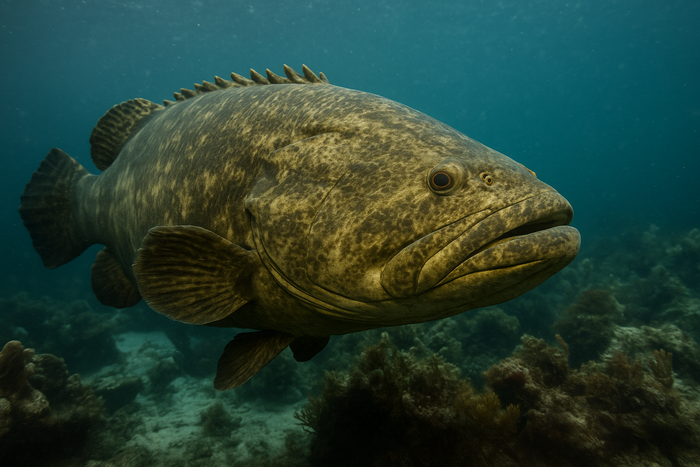
Physiologically, it boasts a robust, streamlined body covered in silvery scales that shimmer with a subtle greenish or bluish tint. Its large mouth is equipped with sharp teeth designed for gripping slippery prey, primarily smaller fish and crustaceans. The Longtail Seabass also exhibits remarkable adaptability in salinity tolerance, allowing it to venture into both freshwater and marine environments—a trait not common in many seabass species.
Habitat & Global Range
When it comes to Longtail Seabass habitat, versatility is the name of the game. This species is native to the Indo-Pacific region, with a range stretching from the eastern coast of Africa, across South and Southeast Asia, and down to northern Australia. It occupies estuaries, river mouths, coastal waters, and even freshwater rivers and lakes.
The ability to tolerate varying salinity levels means the Longtail Seabass can migrate between saltwater and freshwater systems with ease. This migration is often linked to spawning and feeding cycles, making the fish an integral part of diverse aquatic ecosystems. Its preference for habitats with abundant cover—such as mangroves, submerged timber, and rocky reefs—provides shelter and hunting grounds, ensuring it remains a dominant force in these environments.
Behavior & Temperament
The Longtail Seabass is a solitary hunter with a reputation for being aggressive and territorial. It uses ambush tactics, relying on stealth and sudden bursts of speed to capture prey. Its elongated tail plays a crucial role here, providing the thrust needed to close the distance quickly and efficiently.
While generally solitary, these seabass can sometimes be found in loose aggregations during spawning seasons. Their temperament is bold, and they are known to challenge larger predators and competitors alike. For anglers, this translates into a thrilling fight when hooked—expect a powerful, relentless opponent that tests both skill and stamina.
Ecological Importance
The Longtail Seabass is a keystone predator in its habitat. By preying on smaller fish and crustaceans, it helps maintain a balanced food web. This predation controls the population of mid-level species, preventing overgrazing on vegetation and ensuring the health of coral reefs and mangrove ecosystems.
Its role extends beyond just predator-prey dynamics. The Longtail Seabass’s movement between freshwater and marine environments facilitates nutrient transfer across ecosystems. This migratory behavior supports biodiversity and productivity in both habitats, making the species a vital link in the aquatic food chain.
Conservation & Environmental Pressures
Despite its adaptability, the Longtail Seabass faces significant environmental pressures. Habitat destruction, particularly the loss of mangroves and estuarine environments due to coastal development and pollution, threatens its breeding and feeding grounds. Overfishing is another critical concern, driven by both commercial fisheries and recreational anglers attracted to its prized status.
Climate change adds another layer of complexity. Rising sea temperatures and altered salinity patterns can disrupt migration routes and spawning cycles, potentially reducing population resilience. Conservation efforts must focus on habitat protection, sustainable fishing practices, and monitoring population health to ensure this species does not slip into decline.
The FishyAF Take
The Longtail Seabass is not just another fish to catch; it’s a masterclass in evolutionary adaptation and ecological significance. Its unique tail, aggressive behavior, and habitat versatility make it a standout predator in the Indo-Pacific waters. For anglers, it offers a challenging and rewarding experience. For conservationists, it represents a species that underscores the delicate balance between human activity and marine ecosystem health.
Understanding Longtail Seabass facts and habitat is crucial for appreciating its role in aquatic environments and the urgent need to protect it. This fish demands respect—not just for its fighting spirit but for the ecological weight it carries. Keep an eye on this species; it’s a barometer for the health of coastal and freshwater ecosystems across a vast and diverse region.