Serranus Cabrilla (Serranus cabrilla): The Striped Sea Sentinel with a Taste for the Unexpected
Serranus cabrilla, better known as the Serranus Cabrilla or the Comber, is a small but striking member of the sea bass family. Its bold stripes and confident demeanor make it a standout in rocky Mediterranean and eastern Atlantic waters. This fish is not just another pretty face; it’s a fascinating subject for anyone interested in marine biology or the subtle complexities of coastal ecosystems. If you’re diving into Serranus Cabrilla facts, prepare to meet a fish that’s as intriguing in behavior as it is in appearance.
What Makes the Serranus Cabrilla Unique?
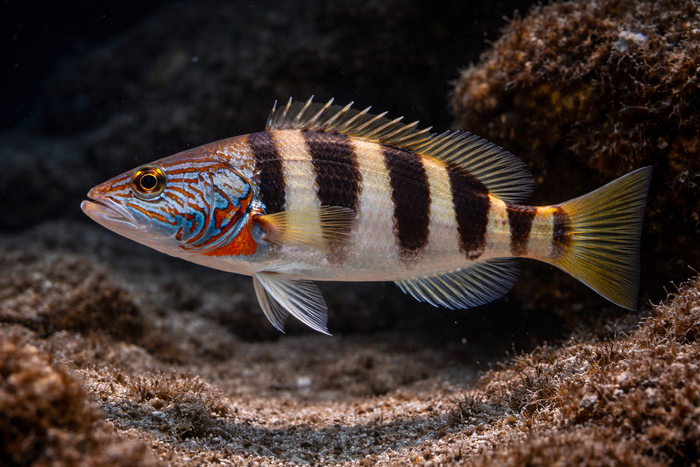
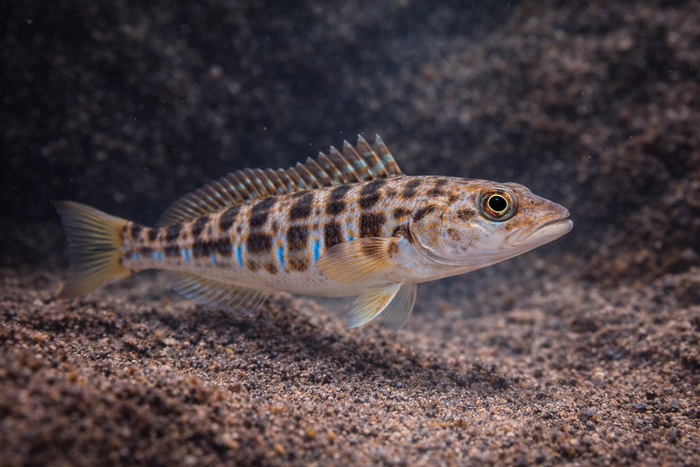
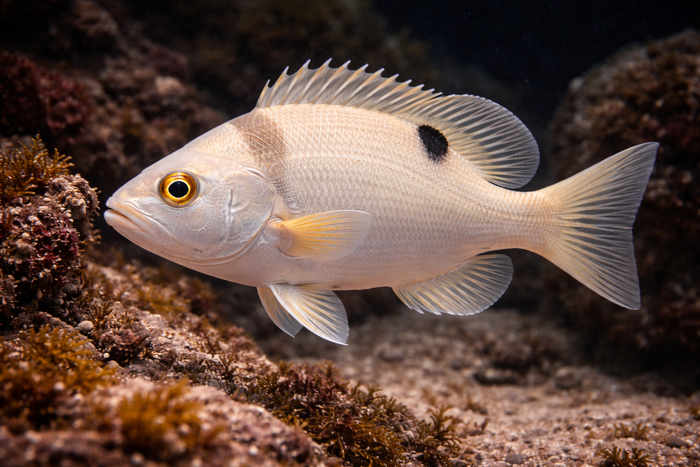
The Serranus Cabrilla’s most distinctive feature is its vivid pattern of dark vertical stripes running along a silvery body, giving it a camouflaged yet unmistakable look against rocky reefs. But its uniqueness goes beyond aesthetics. This species is a protogynous hermaphrodite, meaning individuals start life as females and some later transition to males. This biological twist allows for flexible population dynamics, adapting to environmental pressures and social structures.
Unlike many fish that stick to one role, Serranus Cabrilla is an opportunistic predator, feeding on a variety of small invertebrates and fish. Its hunting strategy is a mix of patience and precision, often lurking near crevices before striking. This adaptability in diet and behavior is a key survival trait in the competitive reef environment.
Habitat & Global Range
Serranus Cabrilla habitat spans the rocky coastal zones of the Mediterranean Sea and the eastern Atlantic Ocean, from the Bay of Biscay down to Senegal, including the Canary Islands. It prefers shallow waters, typically between 5 and 50 meters deep, where rocky substrates and seagrass beds provide ample hiding spots and hunting grounds.
This fish thrives in complex habitats where structure offers protection from predators and a steady supply of prey. The combination of rocky reefs and seagrass meadows creates an ideal environment, allowing the Serranus Cabrilla to exploit niches that less versatile species cannot.
Behavior & Temperament
Serranus Cabrilla is a solitary or loosely social fish, often seen patrolling its territory with a confident, almost territorial attitude. It’s not aggressive in the traditional sense but will defend its hunting grounds from intruders. Its bold stripes serve as both camouflage and a warning signal to competitors.
One of the most fascinating behavioral traits is its reproductive strategy. During spawning seasons, males establish territories and court multiple females, displaying vibrant colors and complex movements. The sex change from female to male is triggered by social cues, ensuring a balanced sex ratio and maximizing reproductive success.
Ecologically, Serranus Cabrilla plays the role of both predator and prey. Its behavior reflects a constant balance between hunting efficiency and avoiding larger predators. This balance shapes its activity patterns, often more active during dawn and dusk when prey is abundant and visibility is lower.
Ecological Importance
Serranus Cabrilla is a crucial component of coastal marine ecosystems. As a mid-level predator, it helps regulate populations of small fish and invertebrates, maintaining the delicate balance within reef communities. Its predation prevents any single species from dominating, promoting biodiversity.
Moreover, its presence indicates healthy reef systems. Because it relies on complex habitats, a thriving population of Serranus Cabrilla often signals good water quality and intact structural environments. This makes it a valuable species for monitoring ecosystem health.
The fish’s reproductive flexibility also contributes to population resilience, allowing it to recover more effectively from environmental disturbances compared to species with fixed sex roles.
Conservation & Environmental Pressures
Despite its adaptability, Serranus Cabrilla faces threats from habitat degradation, pollution, and overfishing. Coastal development and destructive fishing practices damage the rocky reefs and seagrass beds essential for its survival. Pollution, especially from agricultural runoff and urban waste, affects water quality, impacting both the fish and its prey.
While not a primary target for commercial fisheries, it is often caught as bycatch, which can reduce local populations. Climate change adds another layer of pressure, altering sea temperatures and potentially shifting the distribution of suitable habitats.
Conservation efforts focusing on habitat protection and sustainable coastal management are vital for preserving Serranus Cabrilla populations. Marine protected areas that safeguard rocky reefs and seagrass meadows benefit this species and the broader ecosystem.
The FishyAF Take
Serranus Cabrilla is a prime example of how complexity and adaptability define survival in the marine world. Its striking appearance is just the surface of a fish that embodies evolutionary ingenuity—from sex-changing capabilities to habitat specialization. For anglers, divers, and marine enthusiasts, understanding Serranus Cabrilla facts means appreciating a species that quietly shapes its environment while navigating the challenges of a changing ocean.
If you want to see a fish that’s both a master of disguise and a strategic player in its ecosystem, the Serranus Cabrilla is your go-to. Keep an eye on its habitat, because protecting these rocky coastal zones means preserving a vital piece of marine biodiversity. In the grand scheme of ocean life, the Comber punches well above its weight.