Sand Perch (Diplectrum formosum): The Undercover Predator of Sandy Bottoms
The Sand Perch, Diplectrum formosum, is a fish that commands attention without screaming for it. With its sleek, elongated body and distinctive patterning, it blends seamlessly into sandy and rubble-strewn seafloors, making it a master of ambush. This species is a staple of subtropical and temperate coastal waters, often overlooked by casual observers but revered by anglers and marine biologists alike for its cunning hunting tactics and ecological role. If you’re diving into Sand Perch facts, prepare to meet a fish that’s as fascinating as it is elusive.
What Makes the Sand Perch Unique?
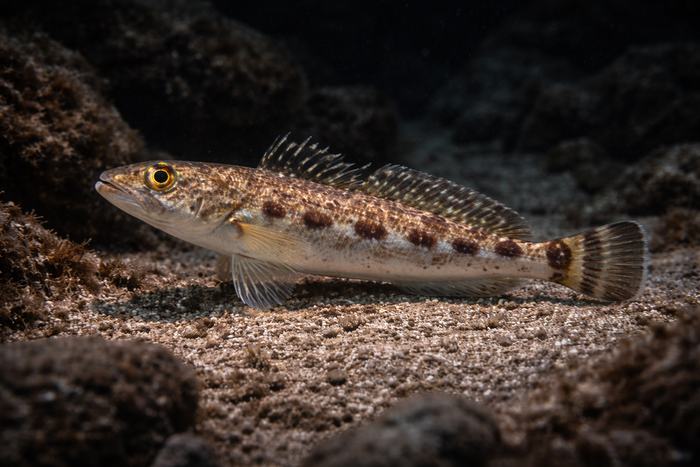
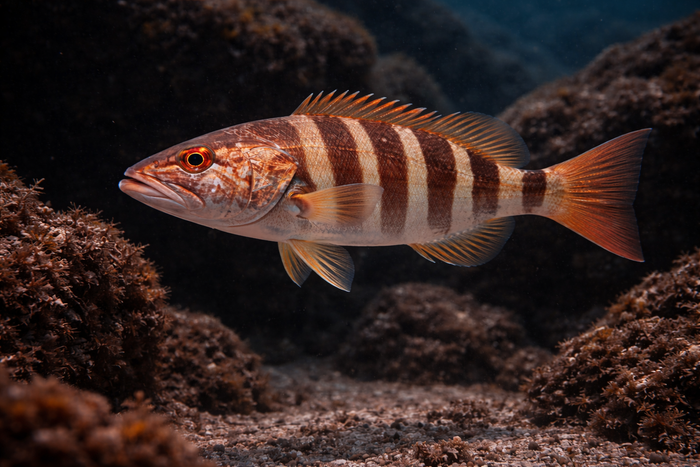
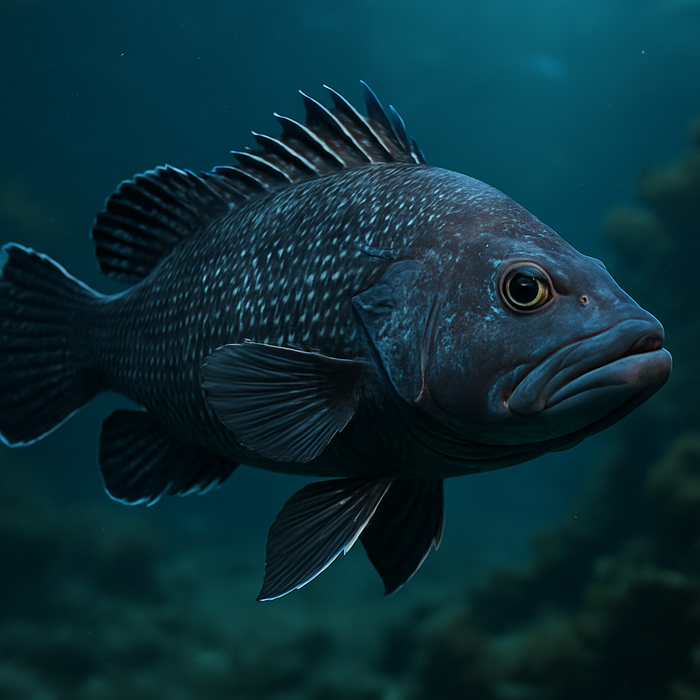
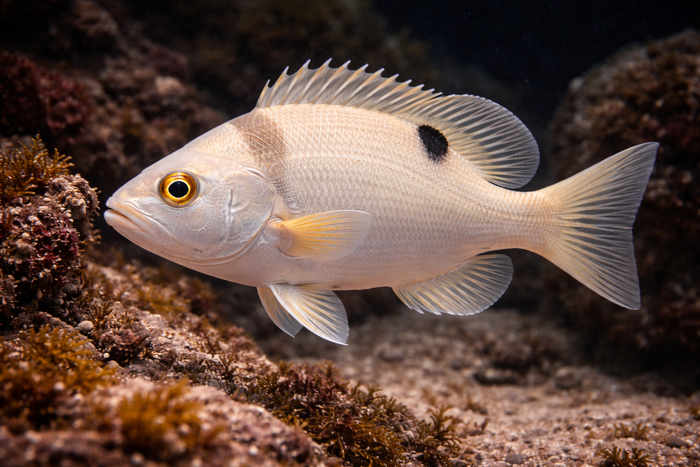
Sand Perch are not your average bottom dwellers. Their uniqueness lies in their combination of camouflage, behavior, and anatomy. Unlike many perch relatives that prefer rocky reefs or open water, Sand Perch have evolved to thrive on sandy substrates. Their bodies are marked with irregular dark blotches and spots that break up their outline, effectively disguising them against the shifting sands.
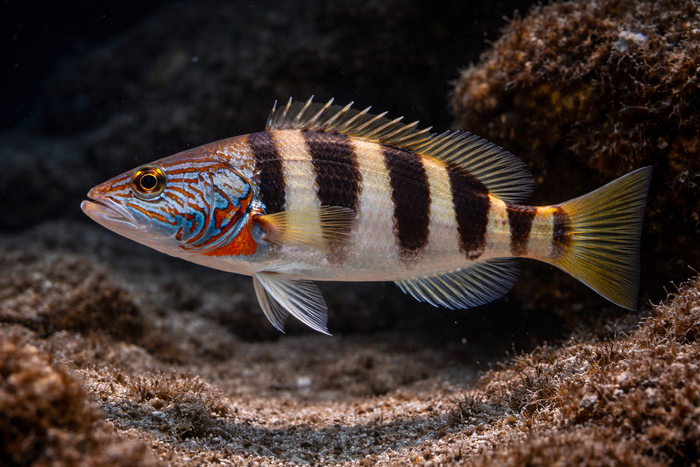
Anatomically, they sport a series of sharp dorsal spines and a mouth built for quick strikes, allowing them to snap up unsuspecting prey with precision. Their eyes sit high on the head, granting a wide field of vision to detect both predators and prey. This species also exhibits sexual dimorphism during breeding seasons, with males developing brighter coloration and elongated fins to attract mates.
Habitat & Global Range
Sand Perch habitat is primarily coastal, favoring sandy bottoms near reefs, seagrass beds, and rocky outcrops. They are commonly found in the western Atlantic Ocean, ranging from the coastal waters of North Carolina down through the Gulf of Mexico and into the Caribbean Sea. This distribution reflects their preference for warmer temperate to subtropical waters.
They typically inhabit depths from shallow waters around 10 feet down to about 200 feet, where light still penetrates enough to support the benthic communities they rely on for food. The sandy seafloor is crucial for their hunting strategy, providing cover and a hunting ground rich in small crustaceans, worms, and juvenile fish.
Behavior & Temperament
Sand Perch behavior is a study in patience and precision. They are sit-and-wait predators, often perching motionless on the bottom or slightly elevated on rocks and rubble, scanning for movement. When prey ventures too close, the Sand Perch strikes with lightning speed, using its sharp teeth to secure the catch.
Despite their predatory nature, Sand Perch are relatively shy around larger fish and humans. They tend to dart away quickly if disturbed but can be curious, sometimes approaching divers or anglers cautiously. They are solitary for the most part, except during spawning when males become territorial and display aggressive behaviors to defend their chosen sites.
Ecological Importance
Sand Perch play a pivotal role in their ecosystems as mid-level predators. By feeding on small invertebrates and juvenile fish, they help regulate populations that could otherwise explode and disrupt the balance of benthic communities. Their predation supports the health of seagrass beds and reef systems by controlling species that graze on these habitats.
Moreover, Sand Perch serve as prey for larger predatory fish, seabirds, and marine mammals, linking lower and higher trophic levels. Their presence indicates a healthy sandy-bottom ecosystem, making them valuable bioindicators for marine biologists monitoring coastal environments.
Conservation & Environmental Pressures
While not currently listed as endangered, Sand Perch face several environmental pressures that could impact their populations. Coastal development, pollution, and habitat degradation threaten the sandy bottom habitats they depend on. Sedimentation from runoff can smother benthic communities, reducing prey availability.
Overfishing is not a major threat since Sand Perch are not a primary target species, but they can be caught as bycatch in trawling and netting operations. Climate change poses a longer-term risk by altering water temperatures and potentially shifting their habitat range.
Conservation efforts should focus on protecting coastal habitats, reducing pollution, and monitoring population trends to ensure this species remains a stable component of its ecosystem.
The FishyAF Take
The Sand Perch is a prime example of how subtlety and specialization can carve out a niche in the crowded marine world. It doesn’t boast flashy colors or massive size, but it commands respect through its stealth, adaptability, and ecological role. For anglers, it offers a challenging and rewarding catch. For marine enthusiasts, it’s a reminder that some of the ocean’s most interesting players operate quietly beneath the surface.
Understanding Sand Perch facts and Sand Perch habitat isn’t just about knowing a fish species; it’s about appreciating the complex interplay of life on the ocean floor. Keep an eye out for this sandy predator next time you’re near a sandy reef or seagrass bed—it’s a master of disguise and a vital thread in the marine tapestry.