Dwarf Sandperch (Diplectrum bivittatum): Small Fish, Big Personality, Unmissable Presence
The Dwarf Sandperch, Diplectrum bivittatum, may not be the flashiest fish in the sea, but it commands attention with its distinct markings and confident demeanor. This compact predator is a master of its niche, blending stealth and agility in shallow coastal waters. For anyone interested in marine life that punches above its weight, the Dwarf Sandperch is a species worth knowing.
What Makes the Dwarf Sandperch Unique?
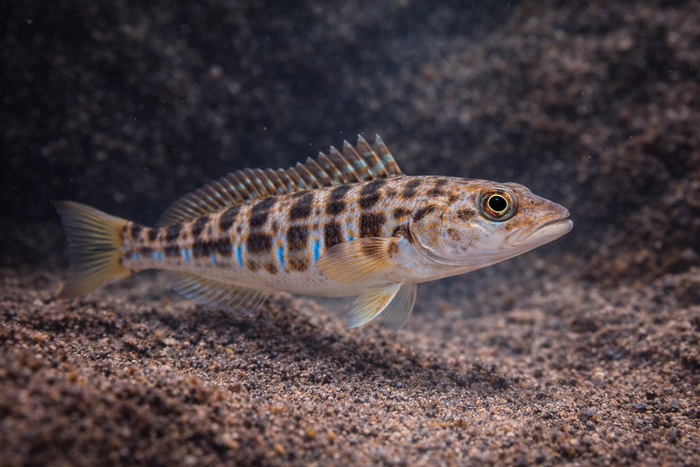
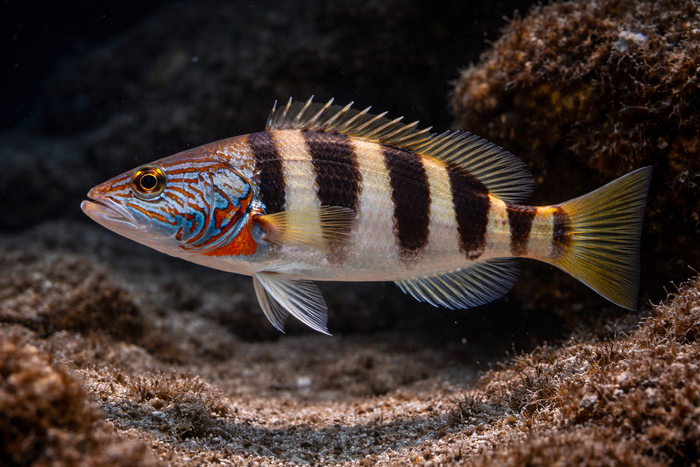
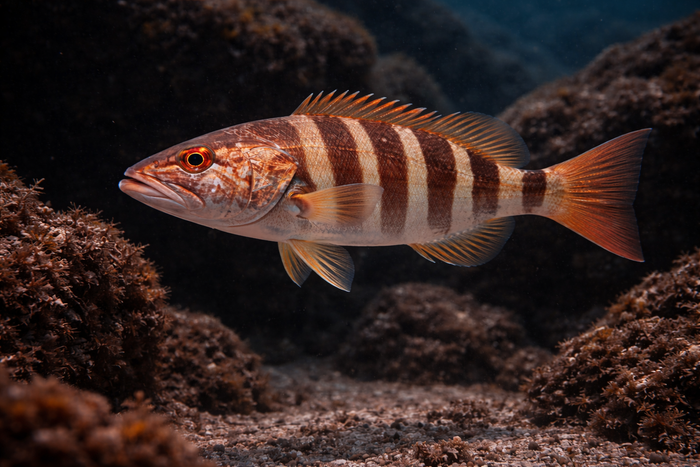
Unlike many small reef fish that rely solely on speed or camouflage, the Dwarf Sandperch combines both with a strategic hunting style. Its elongated body and two bold dark stripes running along its sides make it instantly recognizable. These stripes aren’t just for show—they break up the fish’s outline, providing effective camouflage against sandy and rocky bottoms.
Another standout feature is its behavior. The Dwarf Sandperch often perches motionless on the substrate, waiting patiently for prey to come within striking distance. This ambush tactic is rare among small fish that usually dart around frantically. Its large eyes give it excellent vision, crucial for spotting tiny crustaceans and small fish in dim or murky waters.
Habitat & Global Range
Dwarf Sandperch habitat spans the western Atlantic, from the coastal waters of North Carolina down through the Gulf of Mexico and into the Caribbean Sea. They prefer shallow, sandy bottoms near reefs, seagrass beds, and rocky outcrops. This preference for mixed habitats allows them to exploit a variety of food sources while avoiding larger predators.
They thrive in waters typically less than 30 meters deep, where sunlight penetrates enough to support a diverse ecosystem. The sandy substrate is essential—not just for camouflage but also for their hunting technique, which involves quick dashes along the bottom to snatch prey.
Understanding Dwarf Sandperch habitat is key to appreciating their ecological role. They are not open-water swimmers but bottom dwellers, making them integral to the benthic community dynamics.
Behavior & Temperament
The Dwarf Sandperch is a patient hunter and a territorial little beast. It stakes out a small patch of sand or rubble and defends it vigorously against intruders, including others of its own species. This territoriality ensures access to food and shelter but also means these fish can be aggressive in confined spaces.
Their hunting style is methodical. They use a sit-and-wait approach, relying on stealth and sudden bursts of speed to capture prey. This contrasts with many small fish that chase down food in open water. The Dwarf Sandperch’s diet mainly consists of small crustaceans, worms, and tiny fish, making it a mid-level predator in its ecosystem.
Socially, they are mostly solitary except during breeding seasons. Males establish territories that attract females for spawning. After fertilization, the eggs are left to develop on their own, with no parental care.
Ecological Importance
Despite their modest size, Dwarf Sandperches play a crucial role in maintaining the balance of their coastal ecosystems. By preying on small invertebrates and fish, they help regulate populations that could otherwise explode and disrupt the benthic environment.
Their presence also supports larger predators. They serve as a food source for bigger fish, birds, and marine mammals, linking lower trophic levels to higher ones. This makes them a vital cog in the food web.
Additionally, their territorial behavior influences the spatial distribution of other small benthic species. By defending their patches, they create a mosaic of microhabitats that promote biodiversity. In this way, the Dwarf Sandperch contributes to the overall health and resilience of reef and seagrass ecosystems.
Conservation & Environmental Pressures
While the Dwarf Sandperch is not currently listed as endangered, it faces several environmental pressures that could impact its populations. Coastal development, pollution, and habitat degradation threaten the shallow waters they call home. Seagrass beds and sandy bottoms are particularly vulnerable to sedimentation and chemical runoff.
Climate change adds another layer of complexity. Rising sea temperatures and ocean acidification can alter the composition of benthic communities, potentially reducing prey availability for the Dwarf Sandperch. Changes in water clarity and quality also affect their hunting efficiency.
Fishing pressure is minimal for this species due to its small size and low commercial value. However, bycatch and habitat disturbance from trawling and dredging can indirectly harm them.
Protecting Dwarf Sandperch habitat is essential for their survival. Conservation efforts aimed at preserving coastal ecosystems, reducing pollution, and managing fisheries sustainably will benefit this species along with countless others.
The FishyAF Take
The Dwarf Sandperch is a textbook example of how small fish can wield outsized influence in their environment. Its bold stripes and patient hunting style make it a standout among benthic dwellers. For marine enthusiasts and ecologists alike, understanding Dwarf Sandperch facts reveals a creature perfectly adapted to its niche, balancing stealth, aggression, and ecological impact.
If you’re diving or snorkeling in the western Atlantic’s shallow waters, keep an eye on the sandy bottoms. Spotting a Dwarf Sandperch means you’re witnessing a master of survival in action. They may be small, but their role in the marine ecosystem is anything but insignificant. Protecting their habitat ensures that this fascinating species continues to thrive and maintain the delicate balance beneath the waves.