Goliath Grouper (Epinephelus itajara): The Ocean’s Underwater Mountain of Muscle and Mystery
The Goliath Grouper is not your average reef dweller. This behemoth of the sea commands attention with its sheer size and presence. Known scientifically as Epinephelus itajara, it’s a species that embodies power, patience, and an intriguing blend of behaviors that make it a standout among saltwater game fish. Whether you’re an angler, diver, or marine enthusiast, understanding the Goliath Grouper is essential for appreciating the complexity beneath the waves.
What Makes the Goliath Grouper Unique?
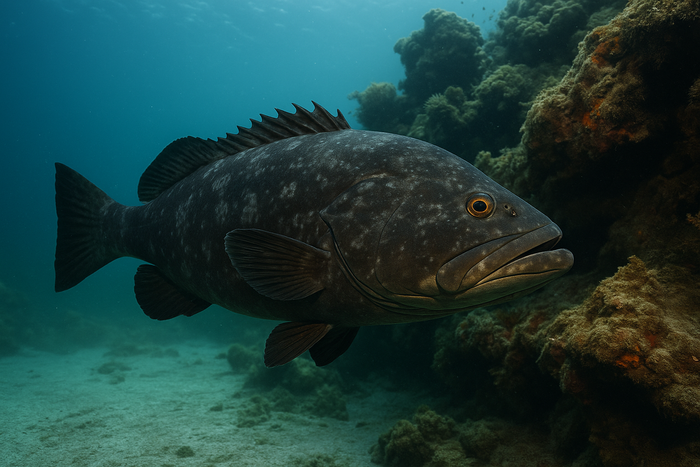
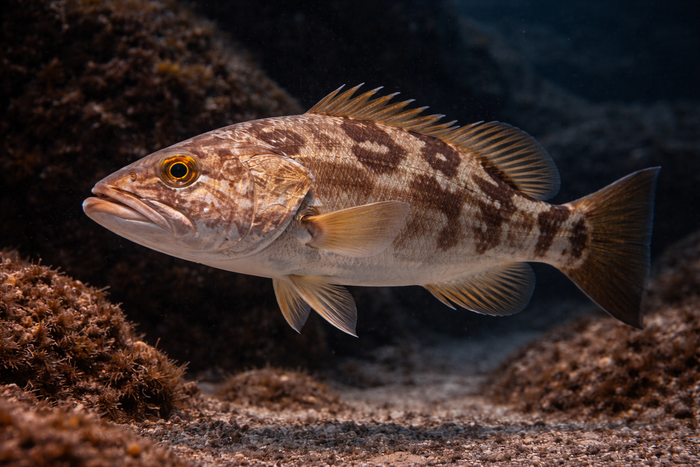
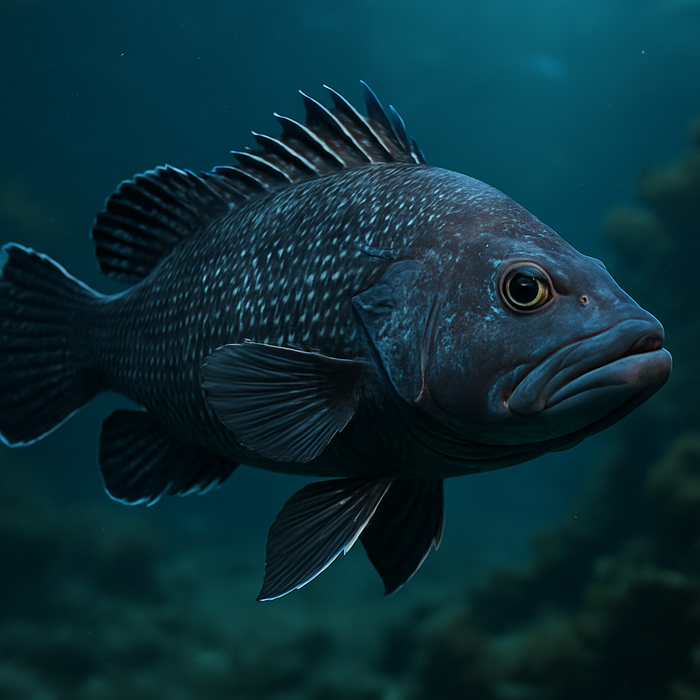
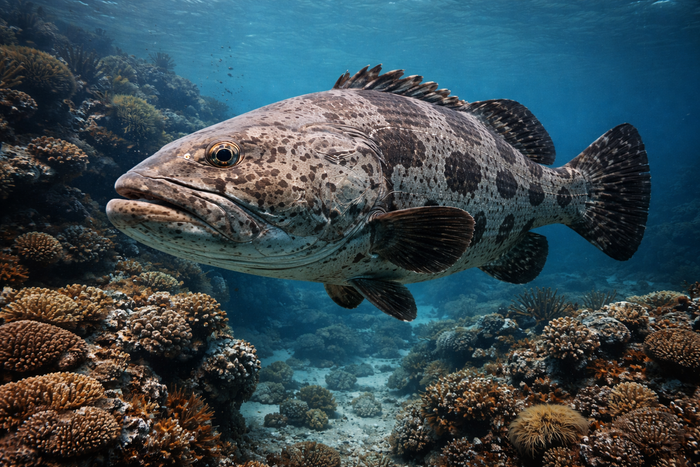
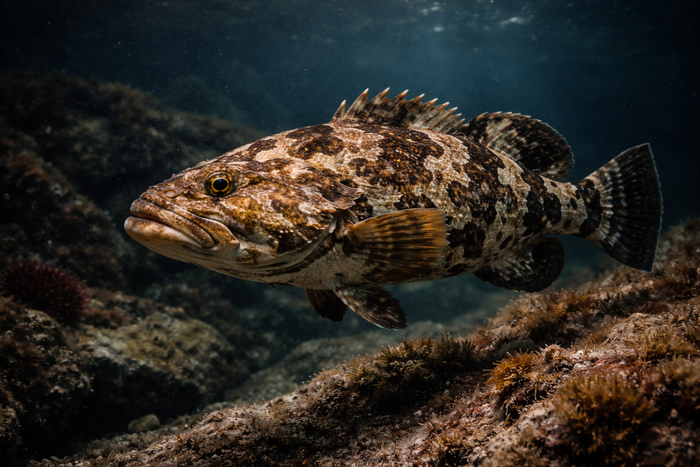
The Goliath Grouper is a true heavyweight contender in the fish world. It can grow to lengths exceeding 8 feet and weigh up to 800 pounds, making it one of the largest bony fish in the Atlantic and Caribbean waters. But size isn’t the only thing that sets it apart. Its body is robust and covered with a mottled pattern of dark spots and blotches, providing excellent camouflage against rocky reefs and wrecks.
Unlike many predatory fish, Goliath Groupers are ambush predators. They rely on stealth and explosive bursts of speed rather than endurance. Their massive mouths can suck in prey with incredible force, swallowing fish, crustaceans, and even small sharks whole. Another fascinating trait is their longevity and slow growth rate, which means they take years to reach maturity—a factor that heavily influences their vulnerability.
Habitat & Global Range
The Goliath Grouper habitat spans tropical and subtropical waters of the western Atlantic Ocean, including the Gulf of Mexico, the Caribbean Sea, and the southeastern coast of the United States. They favor shallow, coastal environments such as coral reefs, mangroves, rocky outcrops, and artificial structures like shipwrecks and oil rigs.
Juveniles often inhabit estuaries and mangrove-lined bays, which serve as nurseries rich in shelter and food. Adults tend to move into deeper waters but rarely stray far from structure, where they can hide and ambush prey. This preference for complex habitats makes them a critical part of reef ecosystems and a favorite target for divers and underwater photographers.
Behavior & Temperament
Goliath Groupers are territorial and solitary by nature. They stake out prime real estate on reefs or wrecks and defend it aggressively against intruders, including divers and other fish. Despite their intimidating size and demeanor, they are generally slow-moving and deliberate, conserving energy until the perfect moment to strike.
Their feeding strategy is all about patience. They wait motionless for unsuspecting prey to come close before lunging with a powerful suction. Interestingly, they are known to produce low-frequency sounds during spawning aggregations, a rare behavior among fish that hints at complex social interactions.
While not typically aggressive toward humans, their size and strength mean encounters should be approached with caution. Divers have reported curious behavior, but the Goliath Grouper’s bulk and territorial instincts can make close encounters risky.
Ecological Importance
Goliath Groupers play a pivotal role in maintaining the balance of reef ecosystems. As apex predators, they help regulate populations of smaller fish and invertebrates, preventing any one species from dominating and disrupting the habitat. Their presence indicates a healthy reef system, as they require abundant prey and suitable shelter to thrive.
Moreover, their spawning aggregations contribute to genetic diversity and population resilience. These gatherings are critical for the species’ reproduction but also make them vulnerable to overfishing. The Goliath Grouper’s slow growth and late maturity mean that population recovery can be painfully slow if disrupted.
Conservation & Environmental Pressures
The Goliath Grouper has faced significant conservation challenges over the past decades. Heavy fishing pressure, particularly during spawning aggregations, led to dramatic population declines. Their slow reproductive rate and site fidelity make them especially susceptible to overharvesting.
In response, many regions have implemented strict protections, including fishing bans and habitat conservation measures. These efforts have seen some population rebounds, but the species remains vulnerable. Habitat degradation from coastal development, pollution, and climate change further complicates their recovery.
Understanding Goliath Grouper facts is crucial for effective conservation. Protecting their habitat, regulating fishing, and monitoring populations are essential steps to ensure these giants continue to patrol the reefs for generations to come.
The FishyAF Take
The Goliath Grouper is a living legend of the ocean, a massive predator with a surprisingly delicate balance between power and vulnerability. Its impressive size and unique behaviors make it a fascinating subject for anyone serious about marine life. But don’t let its slow, lumbering demeanor fool you—this fish is a critical player in reef ecosystems and a barometer for ocean health.
If you’re diving or fishing in Goliath Grouper habitat, respect their space and understand their role. Conservation isn’t just about saving a big fish; it’s about preserving the intricate web of life they support. The Goliath Grouper demands our attention not just because it’s huge, but because it’s a symbol of what’s at stake beneath the waves. Keep these giants thriving, and you keep the ocean’s story alive.