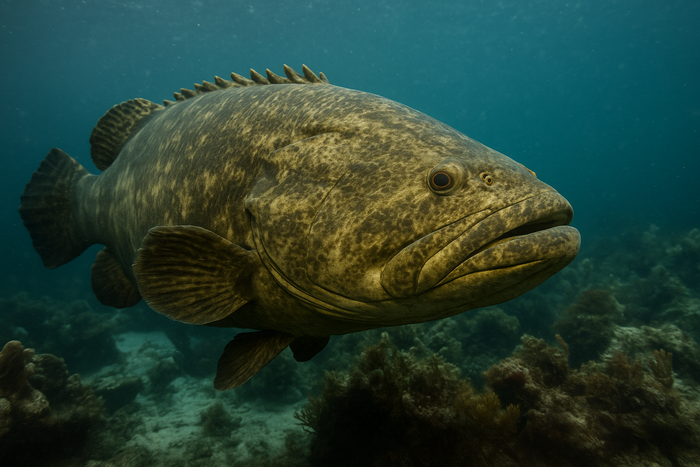
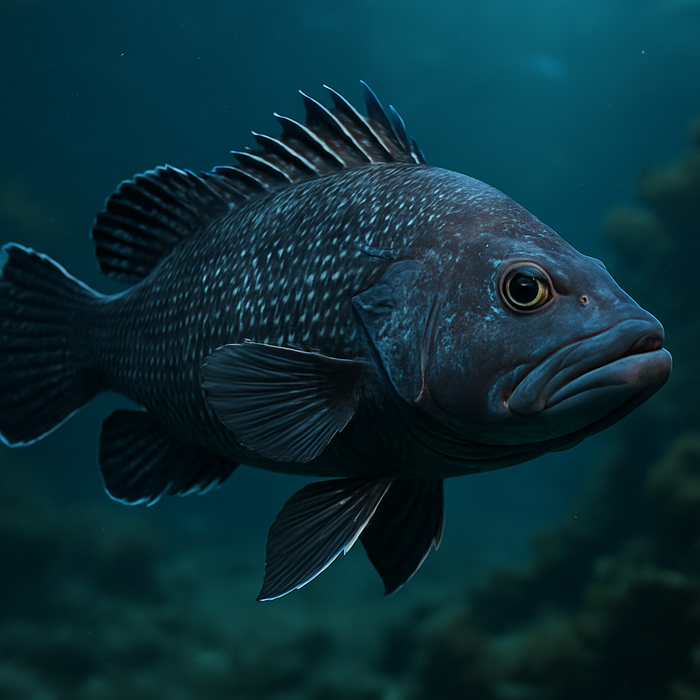
Calico Grouper (Kitty Mitchel) (Mycteroperca microlepis): The Reef’s Spotted Powerhouse You Can’t Ignore
Meet the Calico Grouper, also known as Kitty Mitchel, a striking predator that commands attention beneath the waves. This fish isn’t just another reef dweller; it’s a master of camouflage and ambush, sporting a distinctive spotted pattern that earns it the “calico” moniker. The Calico Grouper’s bold presence and vital role in marine ecosystems make it a species worth knowing, whether you’re a dedicated angler, marine biologist, or reef enthusiast.
What Makes the Calico Grouper (Kitty Mitchel) Unique?
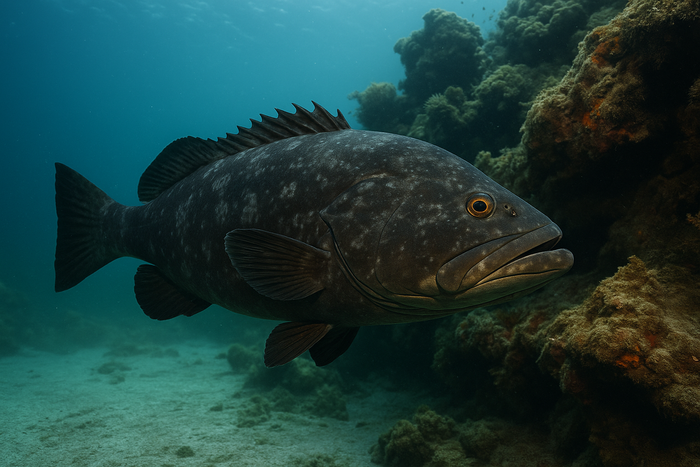
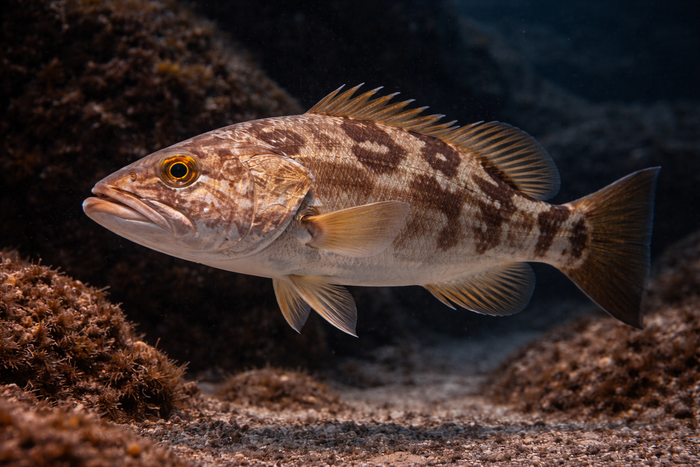
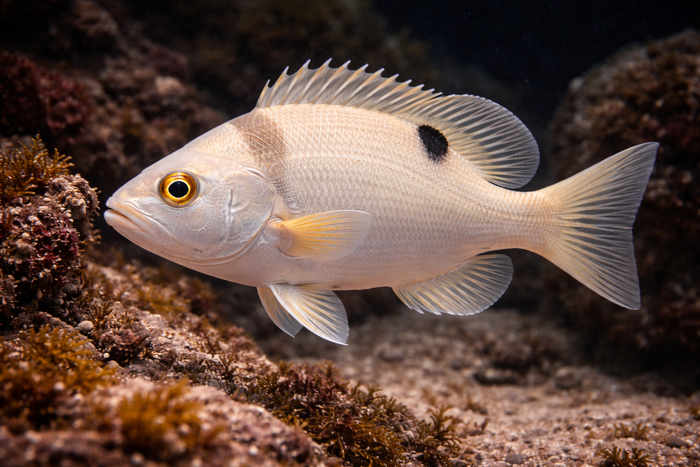
The Calico Grouper stands out with its intricate pattern of dark spots and blotches scattered over a pale, often yellowish or greenish body. This pattern isn’t just for show—it’s an evolutionary tool that breaks up the fish’s outline among coral and rocky reefs, turning it into a stealthy predator. Unlike many groupers that rely on brute force, the Calico Grouper combines patience with precision, lying in wait before striking with explosive speed.
Another unique trait is its size and growth pattern. While it can grow to impressive lengths, the Calico Grouper exhibits protogynous hermaphroditism—starting life as female and later transitioning to male. This sex change is a strategic adaptation to maximize reproductive success in its social structure.
Habitat & Global Range
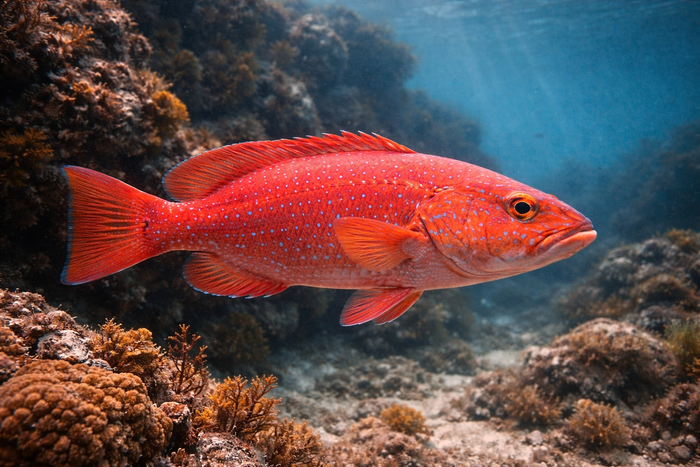
The Calico Grouper’s habitat is a textbook example of reef specialization. Found predominantly in the western Atlantic Ocean, its range stretches from North Carolina down through the Gulf of Mexico and the Caribbean Sea, extending as far south as Brazil. This species prefers shallow to moderately deep waters, typically between 10 and 100 meters, where coral reefs, rocky outcrops, and ledges provide ample cover and hunting grounds.
Calico Grouper (Kitty Mitchel) habitat is characterized by complex structures that support diverse marine life. These environments offer both shelter from larger predators and a buffet of prey species. The fish’s reliance on such habitats makes it a sentinel for reef health, as changes in reef conditions directly impact its population.
Behavior & Temperament
The Calico Grouper is a solitary hunter with a temperament that’s equal parts patient and aggressive. It spends much of its time perched motionless, blending into the reef’s mosaic until prey ventures close enough. Then it unleashes a rapid lunge, using its powerful jaws to capture fish, crustaceans, and cephalopods.
Territorial by nature, the Calico Grouper defends its chosen patch of reef from intruders, especially other groupers. Its dominance is asserted through displays and occasional skirmishes rather than prolonged battles. Despite this assertiveness, it’s not a mindless brawler; the Calico Grouper conserves energy for hunting and reproduction.
Ecological Importance
This species plays a pivotal role in maintaining the balance of reef ecosystems. As a mid-level predator, the Calico Grouper helps regulate populations of smaller fish and invertebrates, preventing any one species from overwhelming the reef community. This predation pressure supports biodiversity and the overall resilience of coral reefs.
Moreover, the Calico Grouper’s presence indicates a healthy reef system. Because it requires structurally complex habitats and abundant prey, declines in its numbers often signal environmental stress or degradation. Its role as both predator and ecological indicator makes it a key species for marine conservation efforts.
Conservation & Environmental Pressures
Despite its importance, the Calico Grouper faces significant threats. Overfishing is the primary concern, as its size and taste make it a target for commercial and recreational fisheries. The species’ slow growth and late maturity compound the risk, making populations vulnerable to depletion.
Habitat loss and degradation further exacerbate these pressures. Coral bleaching, pollution, and coastal development reduce the quality and availability of suitable Calico Grouper (Kitty Mitchel) habitat. Climate change adds another layer of complexity, altering water temperatures and reef dynamics in ways that can disrupt breeding and feeding.
Conservation measures are in place in some regions, including fishing quotas and marine protected areas, but enforcement and coverage remain inconsistent. Sustainable management of the Calico Grouper is critical to preserving both the species and the reef ecosystems it supports.
The FishyAF Take
The Calico Grouper (Kitty Mitchel) isn’t just another pretty face in the reef crowd. It’s a sophisticated predator with a finely tuned survival strategy and a vital ecological role. Understanding its behavior, habitat needs, and vulnerabilities is essential for anyone serious about marine conservation or fishing.
If you’re after Calico Grouper (Kitty Mitchel) facts, remember this: its spotted camouflage is more than skin deep. It’s a symbol of adaptation and balance in a fragile underwater world. Protecting this species means protecting the reefs that sustain countless forms of life—including us. So next time you’re diving or fishing in the western Atlantic, keep an eye out for this spotted powerhouse. It’s a reminder that the ocean’s complexity is worth every effort to preserve.