Scamp Grouper (Mycteroperca phenax): The Underwater Phantom with a Taste for Adventure
The Scamp Grouper is not your average reef dweller. Known scientifically as Mycteroperca phenax, this sleek predator commands attention with its striking pattern and elusive nature. Anglers and divers alike prize the Scamp for its cunning behavior and impressive size, making it a standout in the crowded world of groupers. If you want to know what sets this fish apart, where it thrives, and why it matters, you’ve come to the right place.
What Makes the Scamp Grouper Unique?
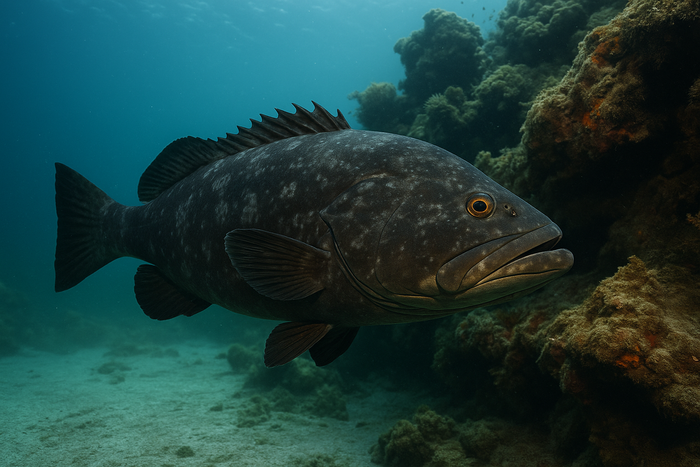
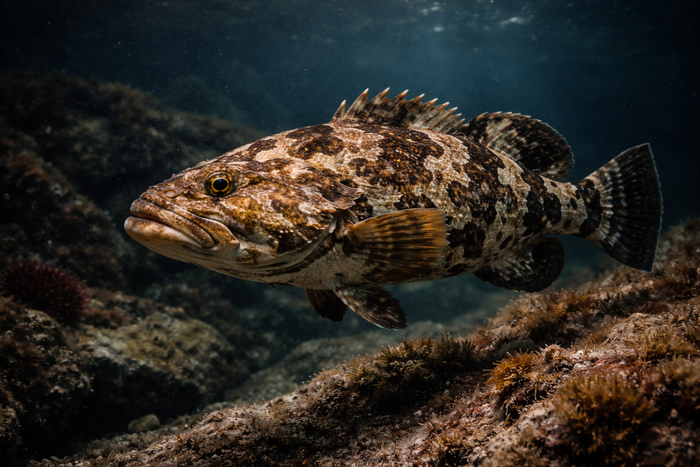
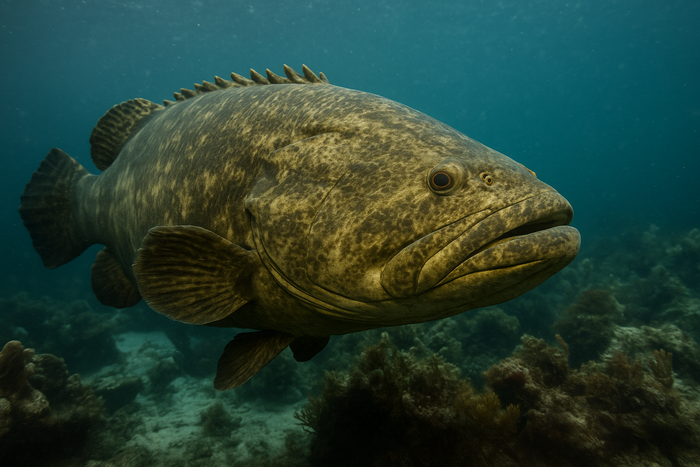
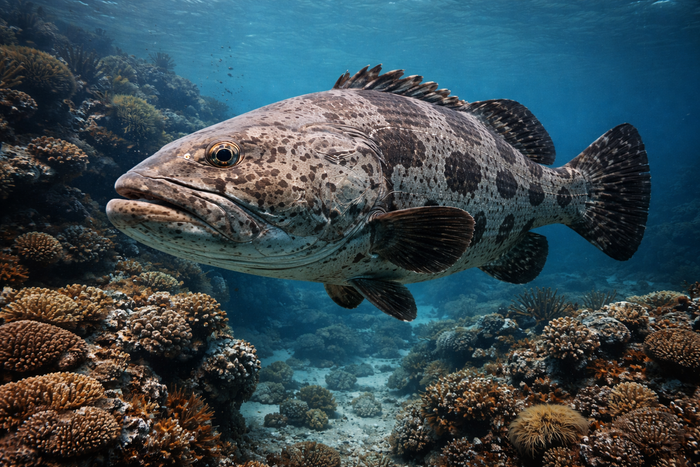
The Scamp Grouper is a master of disguise and strategy. Its body is adorned with a complex mosaic of spots and blotches that break up its outline on rocky reefs and ledges. This camouflage isn’t just for show—it’s a tactical advantage for ambushing prey. Unlike some groupers that rely on brute force, the Scamp uses stealth and patience, often lurking in crevices before striking with lightning speed.
Another distinctive trait is its hermaphroditic life cycle. Scamps start life as females and transition to males as they grow larger. This sex change is a clever evolutionary adaptation that helps maintain population balance and maximizes reproductive success. It’s a biological twist that adds a layer of complexity to their social structure and fishing regulations.
Habitat & Global Range
Scamp Grouper habitat is primarily concentrated in the western Atlantic Ocean. They are common from North Carolina down through the Gulf of Mexico and the Caribbean, extending as far south as Brazil. This species favors rocky bottoms, ledges, and coral reefs, typically found at depths ranging from 30 to 150 feet. They prefer cooler, deeper waters compared to some other groupers, often inhabiting offshore reefs and wrecks where they can exploit abundant prey and avoid competition.
Their preference for complex structures makes them a key species in reef ecosystems, where they contribute to the balance of predator-prey dynamics. Scamp Grouper habitat is not just a home; it’s a hunting ground and a nursery, critical for their survival and growth.
Behavior & Temperament
Scamp Groupers are solitary hunters with a reputation for being both cautious and opportunistic. They rarely travel in schools, instead staking out territories that they defend against intruders. Their hunting style is a blend of ambush and active pursuit, feeding mainly on smaller fish, crustaceans, and cephalopods.
Despite their size and power, Scamps are known for their wariness around divers and anglers. They often retreat into tight crevices when threatened, making them challenging targets. This behavior contributes to their mystique and explains why they are considered a trophy fish among sport fishermen.
Ecological Importance
As mid-level predators, Scamp Groupers play a crucial role in maintaining the health of reef ecosystems. By controlling populations of smaller fish and invertebrates, they help prevent overgrazing of algae and maintain coral health. Their presence indicates a balanced ecosystem, where predator-prey relationships are intact.
Moreover, Scamps contribute to the genetic diversity of grouper populations through their unique reproductive strategy. Protecting them means preserving the intricate web of marine life that depends on healthy reef systems.
Conservation & Environmental Pressures
The Scamp Grouper faces several threats, primarily from overfishing and habitat degradation. Their slow growth and late maturity make them vulnerable to population declines when fishing pressure is high. The fact that they change sex complicates management, as removing large males can disrupt breeding patterns.
Habitat loss due to coral reef damage, pollution, and climate change further threatens their survival. Warmer waters and ocean acidification impact the reefs they depend on, reducing shelter and prey availability.
Regulations such as size limits, seasonal closures, and protected areas have been implemented in some regions to help sustain Scamp populations. However, enforcement and compliance remain challenges. Conservation efforts must balance the species’ ecological role with its value to fisheries and recreational anglers.
The FishyAF Take
The Scamp Grouper is a fascinating blend of beauty, brains, and brawn. Its elusive nature and complex biology make it a species worth respecting and protecting. If you’re chasing Scamp Grouper facts, remember this fish is more than just a prize catch—it’s a vital player in reef ecosystems that demands thoughtful stewardship.
Understanding Scamp Grouper habitat and behavior is key to appreciating why this species matters. Whether you’re a diver, angler, or marine enthusiast, the Scamp offers a glimpse into the delicate balance of ocean life. Protecting it means preserving the wild, unpredictable spirit of the sea itself.