Goatfish (Mullus barbatus): The Underwater Prospector with a Snout for Trouble
The goatfish, Mullus barbatus, is not your average reef dweller. Sporting a pair of distinctive barbels beneath its chin, this fish is a master of underwater foraging, using its sensory feelers to root out hidden prey in the sand. It’s a species that combines subtle ingenuity with striking appearance, making it a standout in the Mediterranean and eastern Atlantic marine communities. If you’re diving into goatfish facts, prepare to meet a fish that’s equal parts detective and showman.
What Makes the Goatfish Unique?
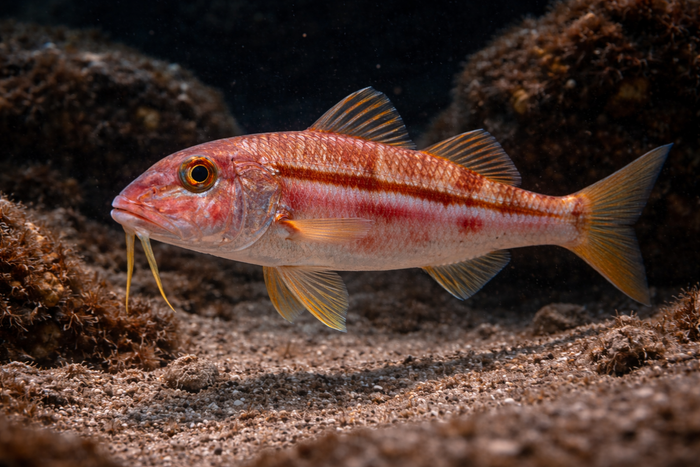
The defining feature of the goatfish is its chin barbels—think of them as built-in metal detectors for the ocean floor. These tactile appendages are loaded with taste buds and sensory cells, enabling the goatfish to detect worms, crustaceans, and small mollusks buried beneath the sediment. This method of hunting is both efficient and clever, allowing the fish to exploit food sources that many others overlook.
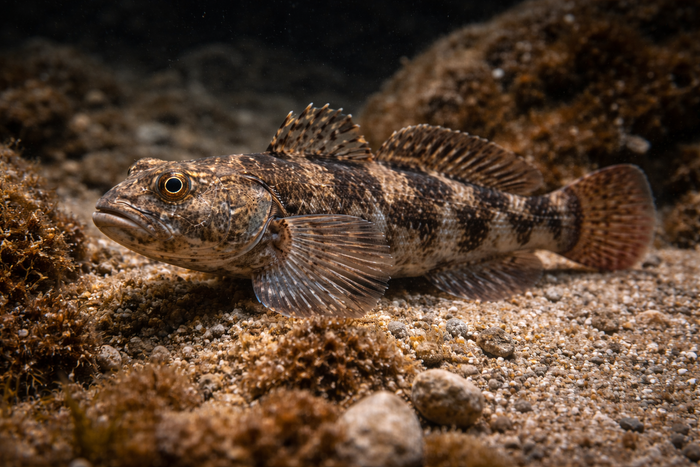
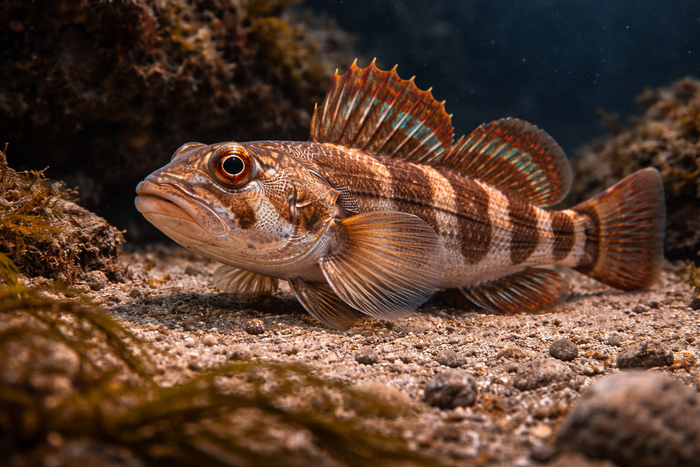
Visually, the goatfish is a palette of reds and yellows, often with a striking lateral stripe running along its body. This coloration isn’t just for show; it can shift subtly to communicate mood or blend with the environment. Unlike many reef fish that rely solely on speed or camouflage, the goatfish’s approach is more like a slow, deliberate excavation.
Another standout trait is their ability to form schools. While some goatfish prefer solo foraging, others band together, creating dynamic groups that sweep the seabed for food. This schooling behavior can confuse predators and increase foraging success, showcasing a social intelligence that’s often underestimated.
Habitat & Global Range
Goatfish habitat spans the warm temperate waters of the eastern Atlantic Ocean and the Mediterranean Sea. They favor sandy or muddy bottoms adjacent to rocky reefs, seagrass beds, and coastal lagoons. This preference for mixed substrates allows them to exploit a variety of food sources while having quick access to shelter.
Their range extends from the coasts of Portugal and Morocco down to the Gulf of Guinea, including the entirety of the Mediterranean basin. Goatfish are typically found at depths ranging from shallow coastal waters to about 150 meters, though they are most commonly encountered between 10 and 50 meters.
The goatfish’s habitat choice is strategic. Sandy bottoms are perfect for their barbels to probe, while nearby reefs offer protection from predators. This dual habitat use reflects their adaptability and resilience in diverse marine environments.
Behavior & Temperament
Goatfish behavior is a study in patience and precision. They spend much of their time slowly cruising over the seabed, sweeping their barbels through the substrate in search of prey. When they detect something edible, they dig with their snouts and barbels, sometimes creating small clouds of sediment in the process.
Despite their slow, methodical feeding style, goatfish are alert and quick to react to threats. When danger looms, they dart away with surprising speed, often joining schools to confuse predators. Their temperament is generally peaceful, but they can be territorial during breeding seasons.
Socially, goatfish exhibit flexible behavior. Some individuals prefer solitary foraging, while others form loose schools that can number in the dozens. These schools are not rigid hierarchies but rather fluid groups that come together for mutual benefit, especially when food is abundant or predators are near.
Ecological Importance
Goatfish play a crucial role in benthic ecosystems. By disturbing the sediment during feeding, they contribute to bioturbation, which helps oxygenate the seabed and recycle nutrients. This activity supports the health of seagrass beds and coral reefs, indirectly benefiting a wide range of marine life.
Their diet of small invertebrates helps regulate populations of benthic organisms, maintaining a balanced ecosystem. In turn, goatfish serve as prey for larger predatory fish, seabirds, and marine mammals, positioning them as an integral link in the food web.
Moreover, their foraging behavior can influence the distribution of microorganisms and organic matter on the ocean floor, subtly shaping the habitat structure. This ecological engineering underscores the goatfish’s importance beyond just being a tasty catch.
Conservation & Environmental Pressures
While goatfish are not currently listed as endangered, they face several environmental pressures that could impact populations. Coastal development, pollution, and habitat degradation threaten the sandy and seagrass habitats they depend on. Overfishing, particularly in the Mediterranean, also poses localized risks.
Goatfish are often caught as bycatch in trawl fisheries, and their slow reproductive rates mean populations can be vulnerable to overexploitation. Climate change adds another layer of complexity, with warming waters and ocean acidification potentially altering their habitat and food availability.
Conservation efforts should focus on protecting coastal habitats, regulating fishing practices, and monitoring population trends. Maintaining healthy goatfish populations is not just about preserving a single species but about safeguarding the broader marine ecosystems they help sustain.
The FishyAF Take
The goatfish is a masterclass in evolutionary innovation. Its barbels are a tool of precision, turning the ocean floor into a buffet of hidden treats. This fish’s blend of sensory savvy, social flexibility, and ecological impact makes it a fascinating subject for anyone serious about marine life.
If you’re exploring goatfish facts or curious about goatfish habitat, remember this species is more than just a colorful reef resident. It’s a key player in the underwater economy, quietly shaping the benthic world with every sweep of its barbels. Keep an eye out for the goatfish on your next dive or fishing trip—you’re witnessing a creature that’s as clever as it is captivating.