Red Mullet (Mullus barbatus): The Vibrant Bottom-Dweller That Commands Attention
The Red Mullet, scientifically known as Mullus barbatus, is no wallflower in the marine world. Sporting a fiery red hue and a distinctive pair of barbels under its chin, this fish stands out both visually and behaviorally. Found across the Mediterranean and parts of the eastern Atlantic, the Red Mullet has long been prized by fishermen and gourmets alike. But beyond its culinary fame lies a fascinating creature with unique adaptations and an important ecological role. This guide dives deep into Red Mullet facts and Red Mullet habitat to give you a comprehensive look at this bold, memorable species.
What Makes the Red Mullet Unique?
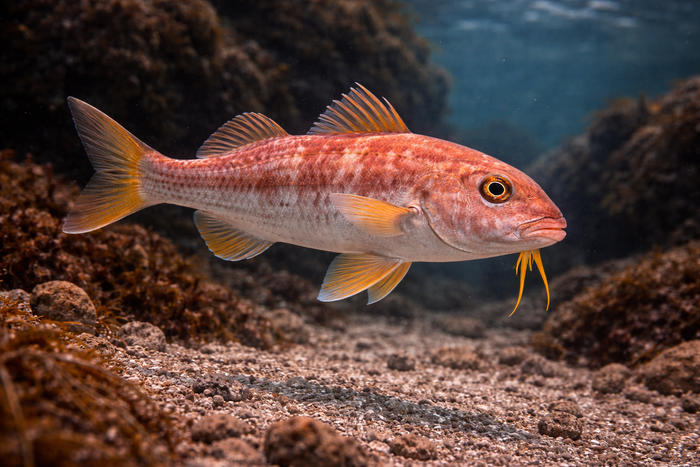
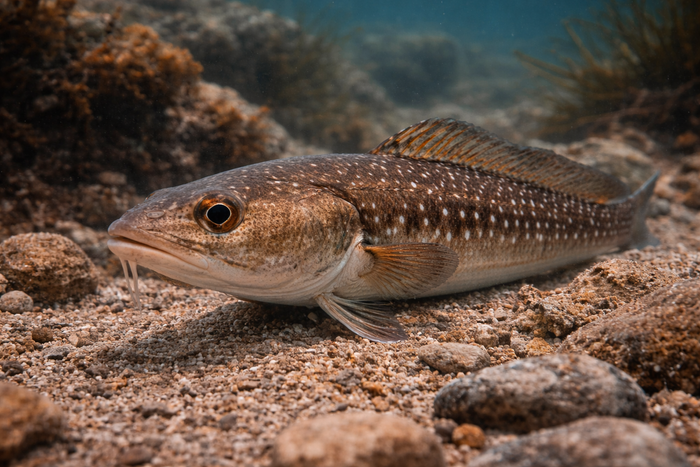
The Red Mullet’s most obvious feature is its bright reddish coloration, which ranges from deep crimson to orange-red. But the real signature trait is the pair of sensitive barbels dangling from its lower jaw. These barbels act like underwater antennae, probing the seabed for hidden prey. Unlike many fish that rely heavily on sight, the Red Mullet uses these tactile organs to detect worms, crustaceans, and small mollusks buried in sediment.
Another standout is its feeding style. Red Mullets are benthic foragers, meaning they spend much of their time close to or on the ocean floor. They use their barbels to stir up the substrate, uncovering tasty morsels that other fish might miss. This specialized feeding technique sets them apart from many other coastal fish species.
Habitat & Global Range
The Red Mullet thrives in temperate to warm waters, primarily inhabiting the Mediterranean Sea, the Black Sea, and the eastern Atlantic Ocean from Norway down to Senegal. Its preferred Red Mullet habitat is shallow coastal waters with sandy or muddy bottoms, often near seagrass beds or rocky reefs. Depths typically range from 10 to 100 meters, though they can venture deeper.
This species favors areas where it can easily forage along the seabed, making estuaries, bays, and continental shelves ideal. The Red Mullet’s distribution reflects a balance between water temperature, salinity, and substrate type. It’s a coastal specialist that avoids open ocean expanses, sticking close to the benthic buffet.
Behavior & Temperament
Red Mullets are social fish, often found in small to medium-sized groups. Their schooling behavior provides safety in numbers but doesn’t reach the massive shoals seen in pelagic species. These fish are active during the day, using their barbels to hunt for invertebrates hidden beneath the sediment.
They are relatively shy around predators and humans, quick to dart into crevices or deeper water when threatened. Despite their modest size, Red Mullets can be surprisingly bold when foraging, sometimes stirring up quite a cloud of sediment in pursuit of prey.
Reproduction occurs seasonally, with spawning typically happening in spring and early summer. Females release eggs into the water column, where fertilization occurs externally. The larvae are planktonic before settling to the bottom and adopting the benthic lifestyle of adults.
Ecological Importance
The Red Mullet plays a crucial role in coastal ecosystems. By feeding on benthic invertebrates, it helps regulate populations of worms, small crustaceans, and mollusks, maintaining a balanced seabed community. This predation also contributes to nutrient cycling, as the fish’s foraging stirs up sediment and redistributes organic matter.
Moreover, Red Mullets serve as prey for larger predatory fish, seabirds, and marine mammals. Their position in the food web links benthic invertebrates to higher trophic levels, making them a vital component of coastal marine biodiversity.
Their foraging behavior can influence sediment structure and seagrass health, indirectly affecting habitat quality for other species. In short, the Red Mullet is a benthic ecosystem engineer, quietly shaping its environment while going about its daily business.
Conservation & Environmental Pressures
Despite their abundance, Red Mullets face several environmental pressures. Coastal development, pollution, and habitat degradation threaten their preferred habitats. Sediment pollution and eutrophication can alter benthic communities, reducing prey availability and impacting Red Mullet populations.
Overfishing is another concern. Red Mullets are commercially valuable and targeted by both artisanal and industrial fisheries. Unsustainable fishing practices can reduce population sizes and disrupt age structures, potentially affecting reproductive success.
Climate change adds another layer of complexity. Rising sea temperatures and ocean acidification may shift Red Mullet habitat ranges or affect prey species. Monitoring and managing these pressures is essential to ensure the species remains a vibrant part of coastal ecosystems.
The FishyAF Take
The Red Mullet is a standout species that deserves more than just a spot on a seafood menu. Its unique barbels and benthic foraging strategy make it a fascinating subject for anyone interested in marine biology or coastal ecology. Understanding Red Mullet facts and Red Mullet habitat reveals a fish that’s not only colorful but ecologically significant.
This species exemplifies how specialized adaptations can carve out a niche in a crowded ocean. The Red Mullet’s role as both predator and prey highlights the interconnectedness of marine life. Protecting its habitat and managing fisheries sustainably will ensure this fiery fish continues to thrive and intrigue for generations to come.
If you want a fish that’s bold in color, clever in behavior, and essential in ecosystem function, the Red Mullet is your go-to. It’s a reminder that sometimes the most memorable creatures are the ones quietly working the seabed, barbels at the ready.