Spotted Hake (Urophycis regia): The Understated Predator with a Spotted Swagger
The Spotted Hake, Urophycis regia, is not your average bottom-dweller. This sleek, spotted predator commands attention with its distinctive markings and stealthy hunting style. Often overshadowed by flashier game fish, the Spotted Hake deserves a closer look for anglers, marine biologists, and anyone fascinated by the complexity of coastal ecosystems. This guide dives deep into Spotted Hake facts, from its unique adaptations to its role in the marine food web.
What Makes the Spotted Hake Unique?
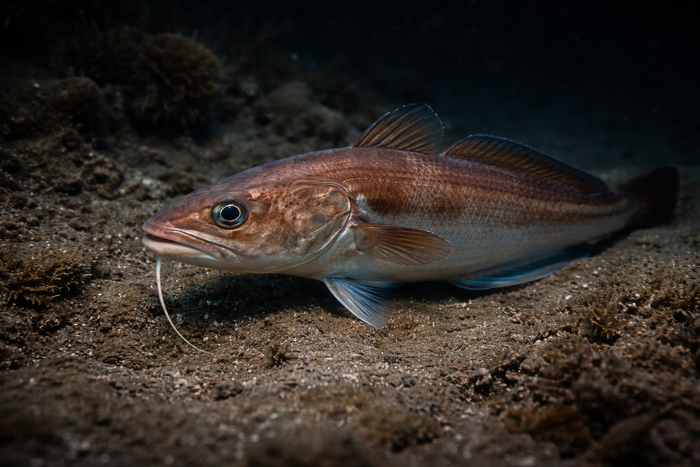
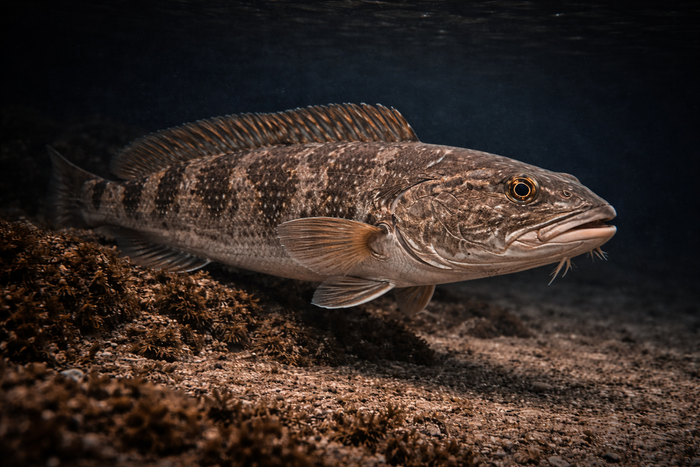
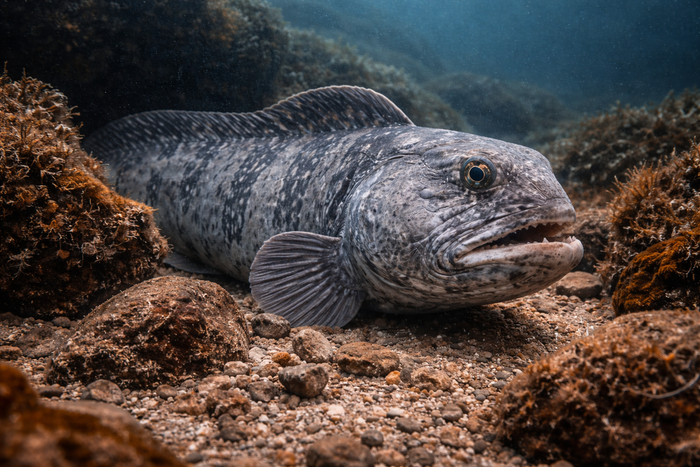
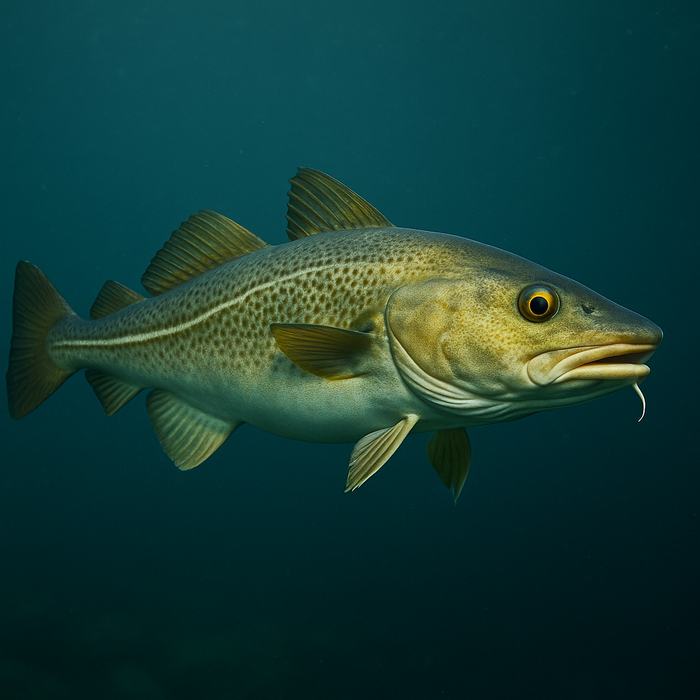
The Spotted Hake stands out primarily because of its spotted pattern, which isn’t just for show. These spots serve as camouflage against the sandy and muddy seafloor, allowing it to ambush prey with surgical precision. Unlike many of its cod relatives, the Spotted Hake has a slender, elongated body and a slightly flattened head, optimized for quick strikes.
Another unique trait is its dual dorsal fins, with the first being spiny and the second soft-rayed, giving it a flexible edge when navigating complex underwater terrain. Its large mouth, lined with sharp teeth, is built for grasping slippery prey like small fish and crustaceans. This combination of stealth, speed, and precision makes the Spotted Hake a formidable predator in its niche.
Habitat & Global Range
Spotted Hake habitat is primarily along the western Atlantic coast, stretching from the chilly waters of Nova Scotia down to the warmer shores of Florida and the Gulf of Mexico. They prefer continental shelf areas where the water depth ranges from shallow coastal zones to about 200 meters deep. The bottom composition is crucial—these fish favor sandy or muddy substrates where their spotted camouflage blends seamlessly.
Seasonal migrations are part of their routine, with Spotted Hake moving to deeper waters during colder months and returning to shallower zones in warmer seasons. This movement aligns with spawning cycles and prey availability, making their habitat preferences a dynamic aspect of their life history.
Behavior & Temperament
Spotted Hake behavior is a study in patience and precision. They are primarily nocturnal hunters, lying in wait during the day and becoming active as the sun sets. Their hunting strategy relies on ambush rather than chase, using their camouflage to get close before striking.
Temperament-wise, these fish are solitary and territorial. They don’t school like some of their relatives, which means encounters with other Spotted Hake are often competitive rather than cooperative. For anglers, this means patience is key; these fish won’t come to you in groups but require targeted tactics to catch.
Ecological Importance
In the marine ecosystem, the Spotted Hake plays the role of both predator and prey. By feeding on smaller fish, squid, and crustaceans, it helps regulate the populations of these species, maintaining a balance that supports biodiversity. Its predation pressure can influence the behavior and distribution of prey species, indirectly shaping the structure of the benthic community.
At the same time, Spotted Hake serves as a food source for larger predatory fish, marine mammals, and seabirds. This dual role places it firmly in the middle of the food web, making it a critical link in energy transfer within coastal ecosystems.
Conservation & Environmental Pressures
Despite not being a headline species for conservation, the Spotted Hake faces several environmental pressures that could impact its populations. Overfishing, especially as bycatch in trawl fisheries targeting other species, poses a significant threat. Their habitat is also vulnerable to degradation from bottom trawling, pollution, and coastal development.
Climate change adds another layer of complexity, potentially altering water temperatures and currents that influence Spotted Hake habitat and migration patterns. Monitoring these changes is essential to understanding how resilient this species will be in the coming decades.
The FishyAF Take
The Spotted Hake is a master of subtlety in a world that often rewards flash and spectacle. Its spotted camouflage, nocturnal hunting style, and habitat preferences make it a fascinating subject for anyone serious about marine life. This fish isn’t just another bottom-dweller; it’s a finely tuned predator with a vital ecological role.
For anglers, understanding Spotted Hake facts means recognizing the patience and precision required to target this species effectively. For conservationists, it’s a reminder that even less glamorous species need attention to ensure healthy marine ecosystems.
In short, the Spotted Hake deserves respect—not just for what it is, but for the complex role it plays beneath the waves. Keep an eye out for this spotted predator next time you’re exploring the Atlantic coast’s underwater world.