Red Hake (Urophycis chuss): The Underrated Bottom-Dweller You Need to Know
The Red Hake is not your average fish. With its striking reddish hues and elongated body, this species stands out among the often drab bottom-dwellers of the Atlantic. Known scientifically as Urophycis chuss, the Red Hake is a member of the cod family but brings its own flair to the table. Whether you’re a seasoned angler, a marine biologist, or just a curious observer, understanding the Red Hake offers insight into a resilient species that thrives in some of the Atlantic’s most challenging environments.
What Makes the Red Hake Unique?
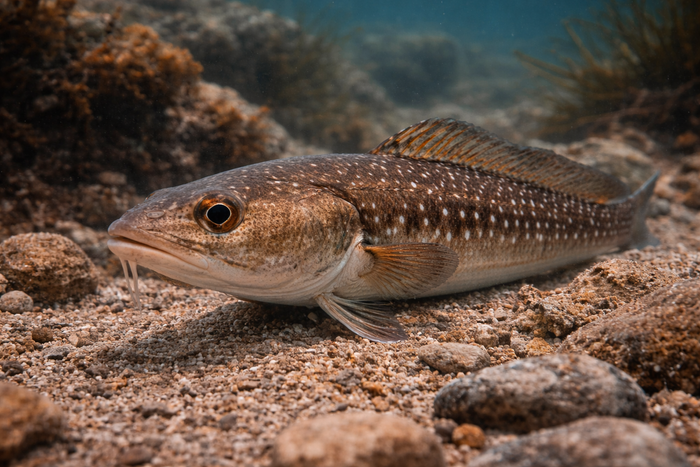
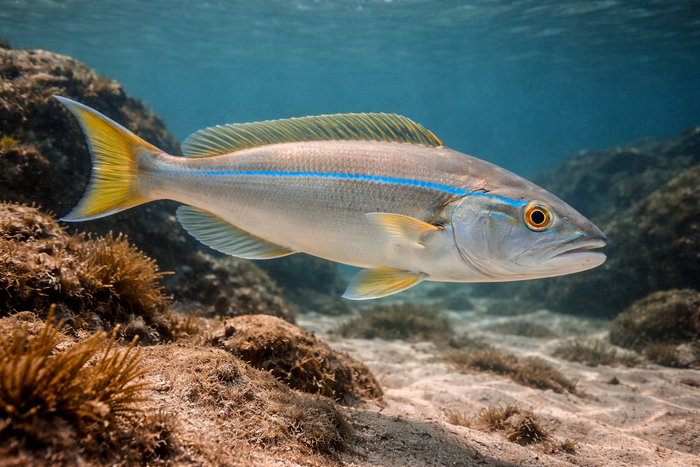
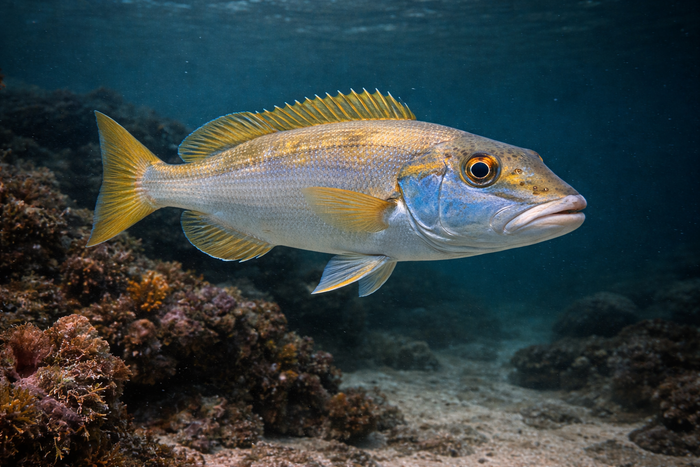
Red Hake are a study in contrasts. They look delicate with their slender, tapering bodies and vibrant coloration, but they are tough survivors. Unlike many fish that rely on speed or schooling for defense, Red Hake use camouflage and stealth. Their reddish-brown coloration blends seamlessly with the rocky and sandy ocean floors they inhabit, making them masters of ambush predation. They have large mouths filled with sharp teeth, designed to snap up crustaceans, small fish, and other benthic prey with precision.
One of the most distinctive features of the Red Hake is its chin barbel—a sensory organ that acts like a fishing rod, detecting movement and vibrations in murky waters. This barbel is not just for show; it’s a critical adaptation that allows the Red Hake to hunt effectively in low-visibility conditions. This sensory edge gives it a leg up on many competitors in the benthic ecosystem.
Habitat & Global Range
Red Hake habitat is primarily along the northwest Atlantic coast, stretching from the Gulf of St. Lawrence down to North Carolina. They prefer continental shelf waters, typically found at depths ranging from 10 to 400 meters. These fish are bottom dwellers, favoring soft substrates like sand, mud, and gravel, often near rocky outcrops where prey is abundant.
Seasonal migrations are a hallmark of Red Hake behavior. In colder months, they move to deeper waters to escape the chill, returning to shallower coastal areas as temperatures rise. This movement ensures access to optimal feeding grounds and spawning sites. The Red Hake’s range and habitat preferences make it an important species for coastal ecosystems along the eastern seaboard.
Behavior & Temperament
Red Hake are solitary hunters with a low-key temperament. They don’t school like some of their cod relatives. Instead, they rely on stealth and patience, lying in wait for prey to come within striking distance. Their slow, deliberate movements help them avoid detection by both prey and predators.
Despite their solitary nature, Red Hake are not aggressive toward humans or other large species. They are more likely to flee than fight when disturbed. However, their feeding behavior is anything but passive. They employ a quick burst of speed to capture prey, using their barbel to sense the slightest movement on the ocean floor.
Spawning occurs in spring and early summer, with females releasing eggs into the water column. Larvae are planktonic, drifting with currents until they settle to the bottom and begin their benthic life. This life cycle ties the Red Hake closely to the health of coastal waters and the availability of suitable nursery habitats.
Ecological Importance
Red Hake play a crucial role in the benthic food web. As mid-level predators, they help regulate populations of smaller fish, crustaceans, and invertebrates. This keeps the ecosystem balanced and prevents any one species from dominating the seafloor environment.
They also serve as prey for larger fish, marine mammals, and seabirds, linking lower and higher trophic levels. The presence of healthy Red Hake populations is often an indicator of a robust benthic ecosystem.
From a commercial perspective, Red Hake are targeted by fisheries, though they are not as heavily exploited as some other cod family members. Their role in local economies, especially in New England and the Mid-Atlantic, adds another layer to their ecological and economic importance.
Conservation & Environmental Pressures
While not currently classified as endangered, Red Hake face several environmental pressures that could impact their populations. Overfishing remains a concern, particularly in areas where they are caught as bycatch or targeted in mixed-species fisheries. Unsustainable fishing practices can disrupt their life cycle and reduce population resilience.
Habitat degradation poses another significant threat. Coastal development, pollution, and bottom trawling damage the soft substrates and rocky habitats essential for Red Hake survival. These activities can reduce prey availability and disrupt spawning grounds.
Climate change adds complexity to the picture. Shifts in ocean temperature and chemistry may alter Red Hake habitat ranges and affect their seasonal migrations. Monitoring these changes is vital for managing Red Hake populations and ensuring their long-term viability.
The FishyAF Take
Red Hake don’t get the spotlight they deserve. They’re not flashy trophy fish, but they are fascinating creatures with unique adaptations that make them indispensable to Atlantic coastal ecosystems. Their stealthy hunting style, sensory barbel, and seasonal migrations paint a picture of a species finely tuned to its environment.
For anglers and conservationists alike, understanding Red Hake facts and Red Hake habitat is key to appreciating their role in the marine world. Protecting their habitats and managing fisheries with an eye on sustainability will keep Red Hake populations healthy and thriving.
In the grand scheme of Atlantic marine life, the Red Hake is a reminder that sometimes the most interesting stories come from the bottom of the ocean, where subtlety and survival go hand in hand. Keep an eye out for this bold, memorable bottom-dweller next time you’re exploring the coast.