Golden Tilefish (Lopholatilus chamaeleonticeps): The Ocean’s Architect with a Golden Glow
The Golden Tilefish isn’t just another bottom-dweller in the deep blue. With its striking golden hues and impressive burrowing skills, this species stands out as a master builder and a vital player in its ecosystem. Known scientifically as Lopholatilus chamaeleonticeps, the Golden Tilefish commands attention not only for its looks but also for its unique lifestyle beneath the waves.
What Makes the Golden Tilefish Unique?
Golden Tilefish are architectural geniuses of the ocean floor. Unlike many fish that simply find shelter, these guys excavate elaborate burrows in soft sediment, creating complex tunnel systems that serve as both home and hunting ground. Their ability to manipulate their environment is rare among fish and speaks to an advanced level of behavioral adaptation.
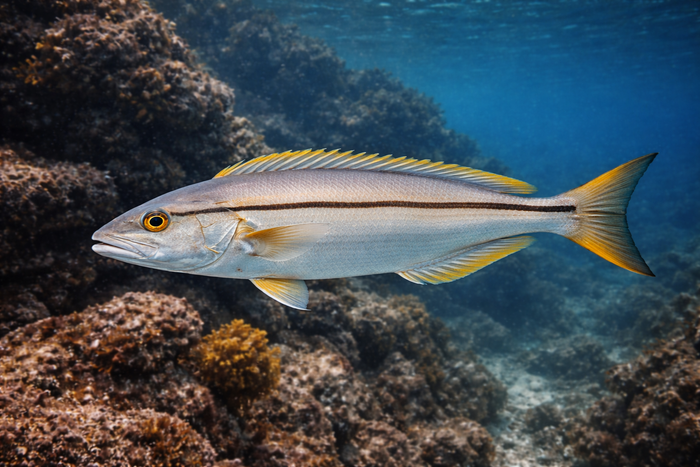
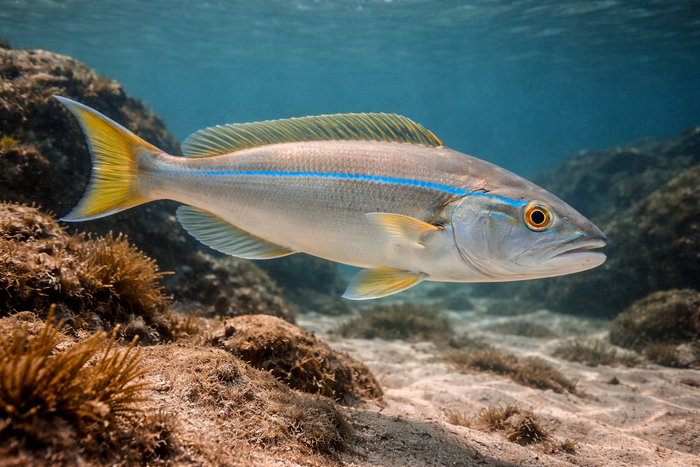
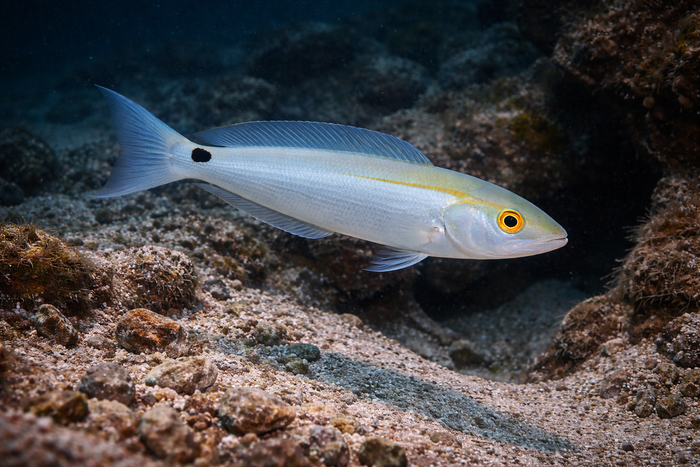
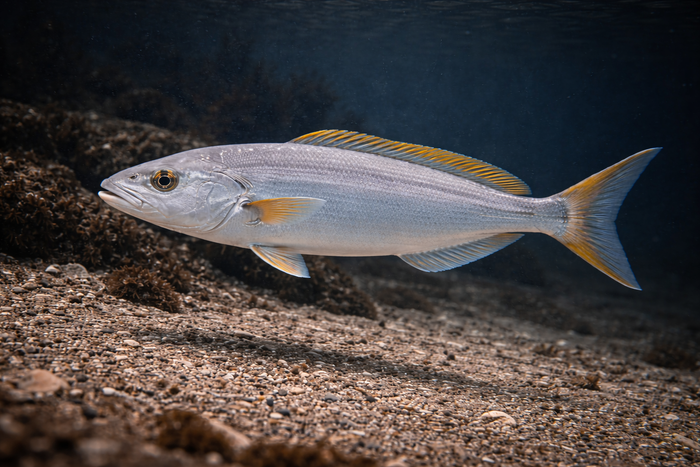
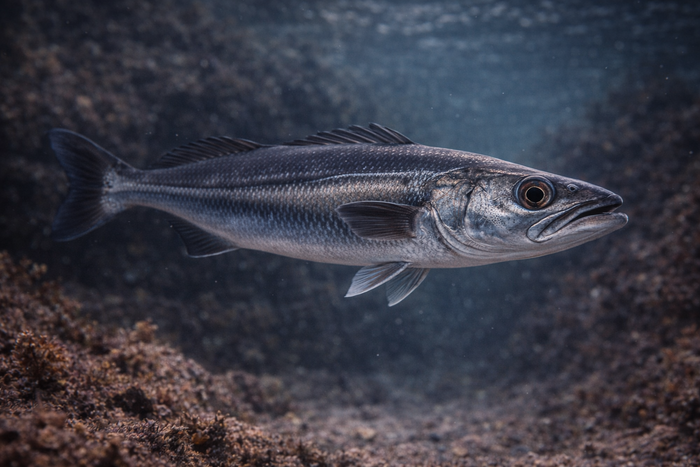
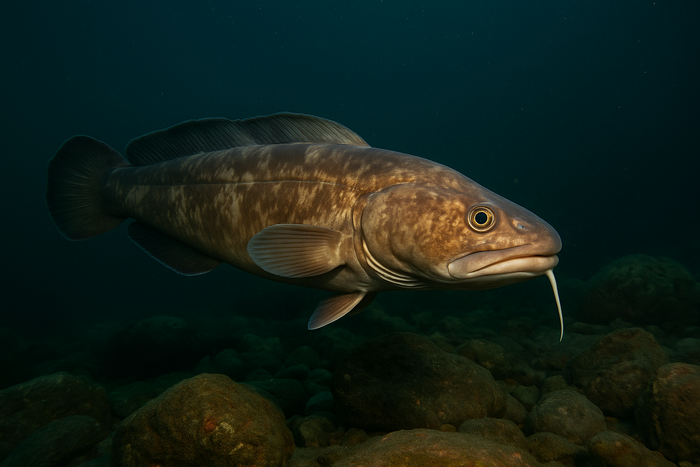
Visually, their name isn’t an exaggeration. Their scales shimmer with a golden-yellow tint, often accented by subtle blues and greens, making them one of the most colorful inhabitants of the continental shelf’s deeper zones. This coloration isn’t just for show; it plays a role in camouflage among the sandy and rocky seafloor habitats they prefer.
Habitat & Global Range
Golden Tilefish are deepwater specialists, typically found between 50 and 400 meters below the surface. Their preferred Golden Tilefish habitat is the western Atlantic Ocean, stretching from Nova Scotia down to the Gulf of Mexico and as far south as the Caribbean. They favor soft-bottom environments where they can dig their burrows—think sandy or muddy substrates near continental slopes and offshore banks.
This species thrives in relatively stable temperature ranges and relies on the structural complexity of the seafloor to provide both shelter and feeding opportunities. The burrows they create can be quite extensive, often lined with sediment and shell fragments, which help protect them from predators and strong currents.
Behavior & Temperament
Golden Tilefish are solitary and territorial. Once a burrow is established, they defend it vigorously against intruders. Their behavior is a mix of cautious vigilance and opportunistic feeding. They spend much of their time near their burrow entrances, darting out to snatch prey like small crustaceans, mollusks, and benthic fish.
Despite their territorial nature, they are not aggressive toward divers or fishermen unless provoked. Their burrowing behavior means they are rarely seen in open water, making encounters relatively rare and special. They also exhibit interesting social behaviors during spawning, where males may display brighter coloration to attract females.
Ecological Importance
Golden Tilefish play a crucial role in benthic ecosystems. Their burrowing activity aerates the seafloor, which promotes nutrient cycling and benefits other bottom-dwelling organisms. By disturbing the sediment, they help redistribute organic matter, fostering a richer and more diverse microbial community.
As mid-level predators, they help regulate populations of smaller invertebrates and fish, maintaining a balanced food web. Their burrows also provide shelter for other species, effectively creating microhabitats that increase local biodiversity. In essence, the Golden Tilefish acts as an ecosystem engineer, shaping the environment in ways that ripple through the marine community.
Conservation & Environmental Pressures
While not currently listed as endangered, the Golden Tilefish faces several environmental pressures. Deepwater trawling and bottom fishing pose significant threats by destroying their burrows and habitat. These destructive fishing practices can lead to population declines and disrupt the delicate balance of the benthic ecosystems they support.
Climate change adds another layer of risk. Changes in ocean temperature and chemistry could affect their habitat range and food availability. Sediment pollution and habitat degradation from coastal development also threaten the quality of their environment.
Sustainable fishing practices and habitat protection are critical to ensuring the Golden Tilefish continues to thrive. Monitoring populations and enforcing regulations on deepwater fishing gear can help mitigate some of these pressures.
The FishyAF Take
The Golden Tilefish is a standout species that deserves more respect than it typically gets. It’s not just a pretty face with a golden sheen; it’s a master builder and a keystone species in its deepwater world. Understanding Golden Tilefish facts and their habitat is essential for appreciating the complexity of marine ecosystems beyond the shallow reefs and coral gardens we usually obsess over.
If you’re serious about marine life, the Golden Tilefish is a reminder that some of the ocean’s most fascinating stories unfold out of sight, beneath layers of sediment and pressure. Protecting these environments isn’t just about saving one species—it’s about preserving the hidden architects of the deep who keep the ocean floor alive and kicking.