Ocean Whitefish (Caulolatilus princeps): The Ocean’s Subtle Powerhouse You Didn’t See Coming
The Ocean Whitefish, Caulolatilus princeps, is a marine heavyweight that flies under the radar despite its impressive presence. This species is not just another face in the crowd of bottom dwellers; it’s a robust, adaptable fish with a story worth knowing. If you’re diving into Ocean Whitefish facts, prepare for a deep dive into a creature that blends strength, subtlety, and ecological significance in equal measure.
What Makes the Ocean Whitefish Unique?
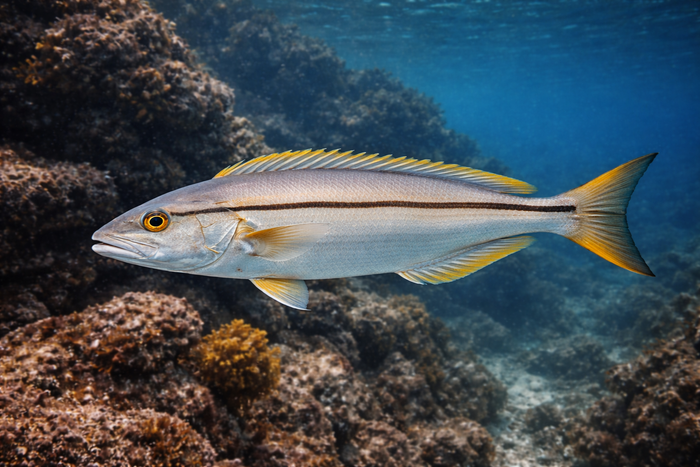
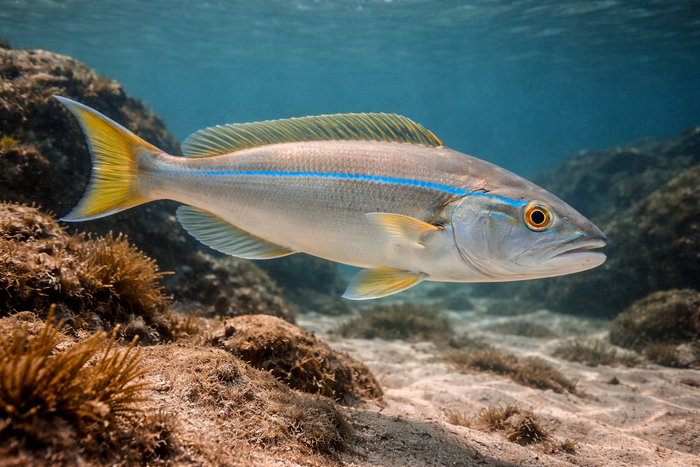
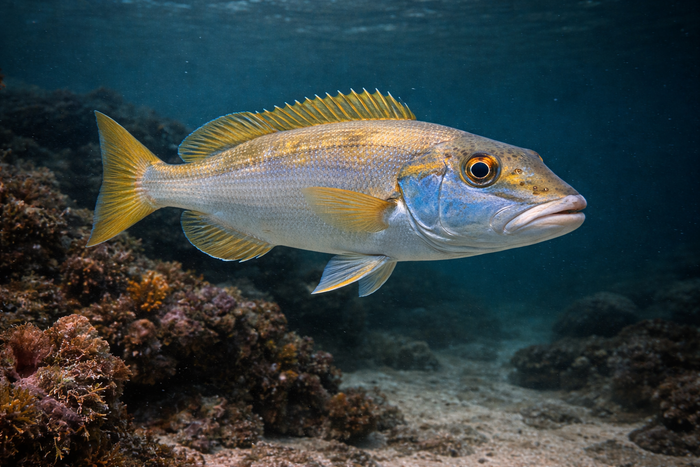
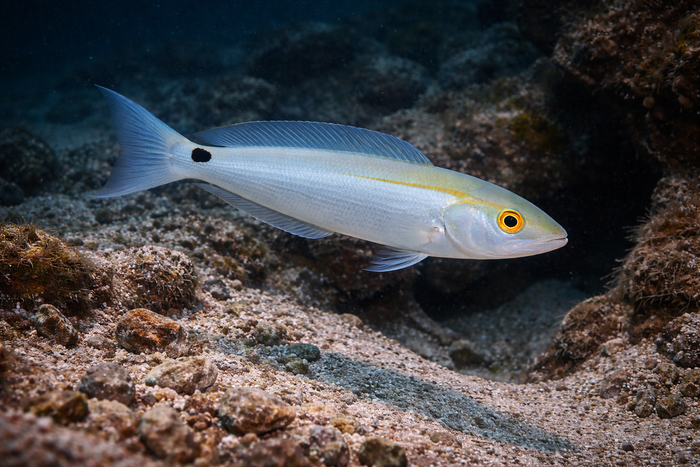
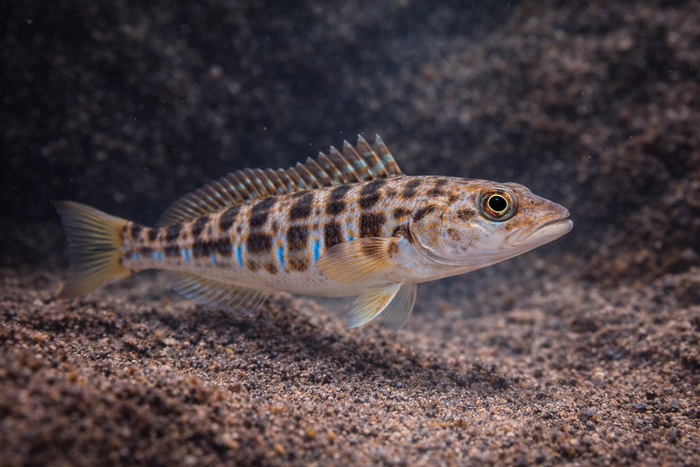
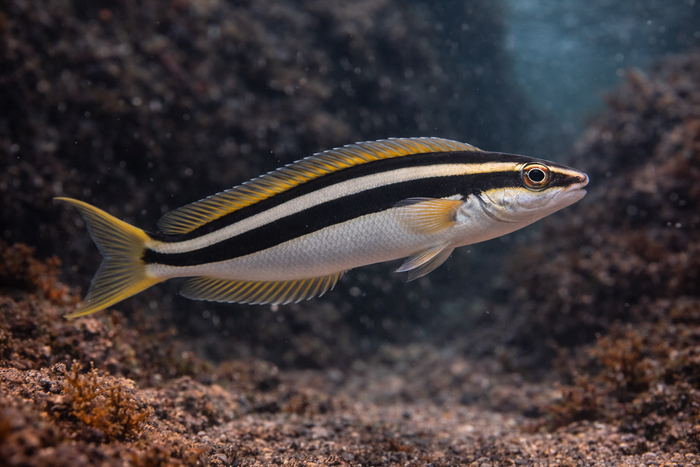
Forget flashy colors or flamboyant fins. The Ocean Whitefish sports a muted palette of silvery-gray and white, but don’t let that fool you. Its uniqueness lies in its body structure and behavior. With a thick, elongated body and strong jaws, it’s built for a benthic lifestyle, crushing hard-shelled prey with ease. Unlike many reef fish, it doesn’t rely on speed or camouflage but on brute force and persistence.
Another standout feature is its ability to thrive in a range of depths, from shallow coastal waters to deeper offshore zones. This versatility in habitat preference is rare among its family, making it a resilient species in fluctuating marine environments. The Ocean Whitefish also has a slow growth rate and long lifespan, traits that hint at a life strategy focused on endurance rather than rapid reproduction.
Habitat & Global Range
Ocean Whitefish habitat spans the eastern Pacific, primarily along the western coast of North America. From the cool waters off California down to the warmer climes near Baja California and even parts of the Gulf of California, this fish calls a broad swath of coastline home. It prefers rocky bottoms, sandy patches, and areas with complex structures where it can forage and find shelter.
Depth-wise, it’s comfortable anywhere from 20 to 200 meters, showing a remarkable adaptability to different pressure and light conditions. This range allows it to exploit various food sources and avoid some predators. The Ocean Whitefish’s habitat overlaps with commercial fishing zones, which has implications for its population dynamics and conservation status.
Behavior & Temperament
Ocean Whitefish are the strong, silent types of the sea. They are generally solitary or found in small groups, showing no aggressive territorial behavior but maintaining a low profile. Their feeding habits are methodical and deliberate. They hunt crustaceans, mollusks, and small fish by rooting around the substrate, using their powerful jaws to crack open shells.
They are not the fastest swimmers but compensate with stamina and the ability to hover near the bottom, waiting for the right moment to strike. Spawning behavior is seasonal, with adults gathering in specific areas to release eggs and sperm into the water column. This reproductive strategy relies on timing and environmental cues, making their breeding success sensitive to habitat conditions.
Ecological Importance
The Ocean Whitefish plays a crucial role in maintaining the balance of benthic ecosystems. By preying on hard-shelled invertebrates, it helps control populations that could otherwise dominate and disrupt the habitat. Its feeding activity also contributes to the turnover of organic material on the ocean floor, promoting nutrient cycling.
As both predator and prey, it fits neatly into the marine food web. Larger fish and marine mammals target Ocean Whitefish, making it a vital link in energy transfer from lower to higher trophic levels. Its presence indicates a healthy benthic environment, and fluctuations in its population can signal changes in ecosystem health.
Conservation & Environmental Pressures
Despite its sturdy nature, the Ocean Whitefish faces several environmental pressures. Overfishing in some areas has led to localized declines, especially where it is caught as bycatch or targeted for commercial and recreational fishing. Its slow growth and late maturity make it vulnerable to overexploitation because populations take longer to recover.
Habitat degradation is another concern. Coastal development, pollution, and sedimentation can alter the rocky and sandy bottoms it depends on. Climate change adds another layer of complexity, potentially shifting its habitat range and affecting spawning cycles through changes in water temperature and chemistry.
Current conservation efforts focus on monitoring populations and protecting critical habitats. Sustainable fishing practices and marine protected areas are essential to ensure this species remains a fixture in its native waters. The Ocean Whitefish may not be headline news, but its survival is a bellwether for the health of benthic marine ecosystems.
The FishyAF Take
The Ocean Whitefish is a classic example of a species that demands respect without shouting for attention. It’s a powerhouse of adaptation and ecological significance wrapped in an unassuming package. If you want to understand the subtle mechanics of marine ecosystems, paying attention to the Ocean Whitefish is a smart move.
It’s not flashy, but it’s foundational. It’s not fast, but it’s effective. It’s not abundant everywhere, but where it thrives, it keeps the benthic world ticking. For anglers, conservationists, and marine enthusiasts looking to deepen their knowledge, the Ocean Whitefish offers a lesson in resilience and balance.
In short, the Ocean Whitefish is a reminder that sometimes the most important players in the ocean are the ones you barely notice. Keep an eye on this species, and you’ll gain insight into the health and complexity of the habitats it calls home. That’s the kind of fishy fact worth knowing.