Blackline Tilefish (Caulolatilus cyanops): A Bold, Memorable Hook Line
Meet the Blackline Tilefish, a striking marine resident that commands attention with its bold coloration and robust presence. This fish isn’t just another pretty face beneath the waves; it’s a key player in its ecosystem and a favorite among anglers who know how to read the signs.
The Blackline Tilefish, scientifically known as Caulolatilus cyanops, is a species that blends vibrant aesthetics with intriguing behavior. Found primarily in the western Atlantic, this fish stands out not only for its distinctive black lateral line but also for its role in benthic communities. Its combination of size, color, and habitat preferences makes it a subject of interest for both commercial fisheries and recreational anglers. Understanding the Blackline Tilefish means diving into a world where ecological balance and fishing culture intersect.
What Makes the Blackline Tilefish Unique?
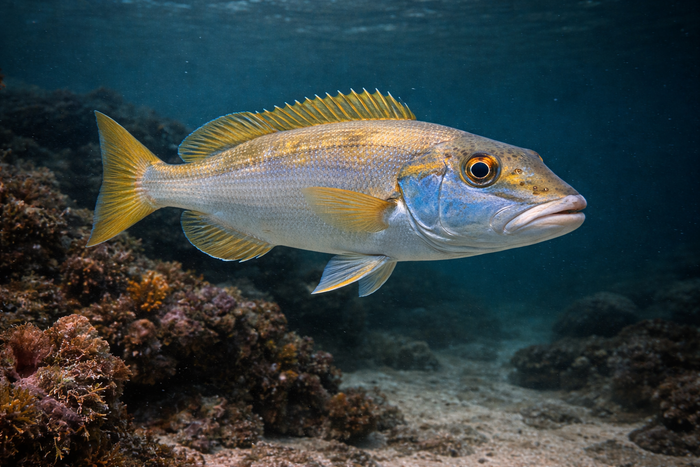
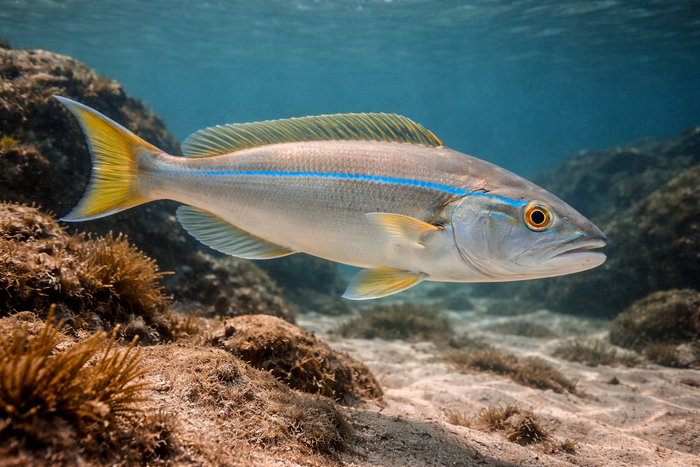
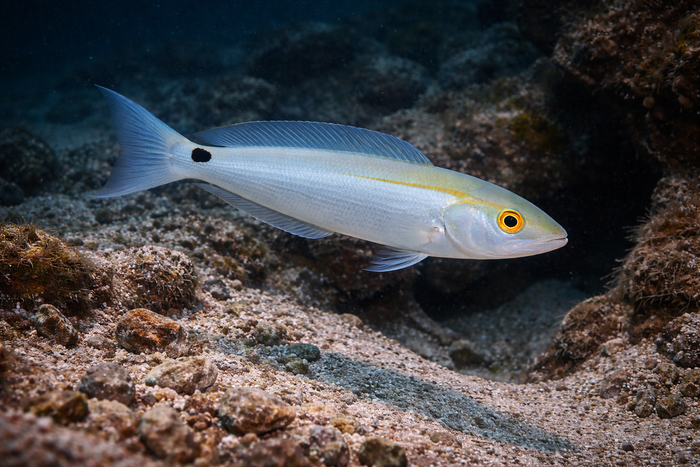
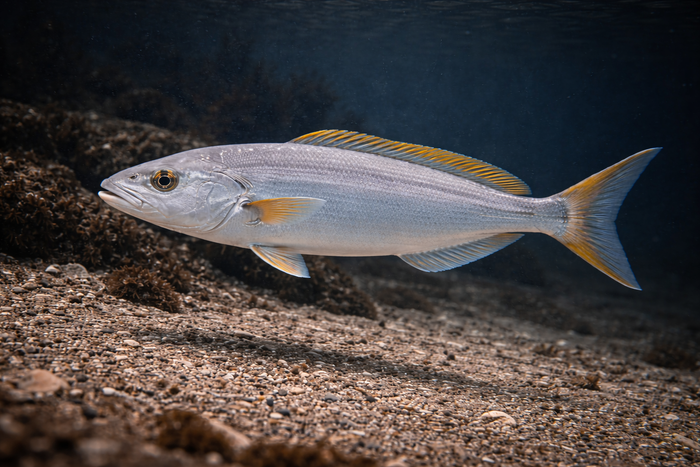
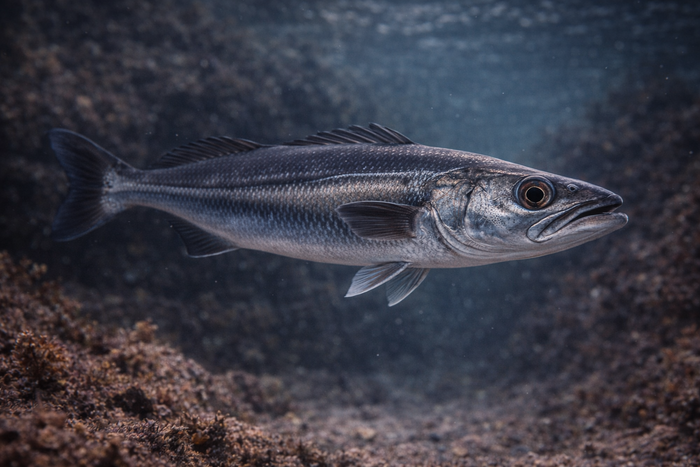
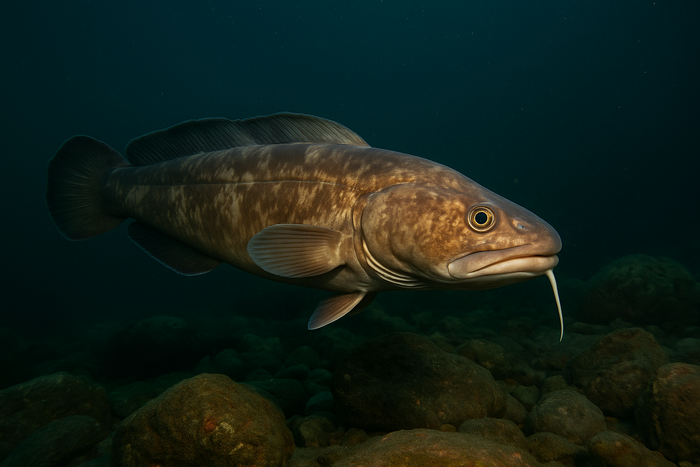
The Blackline Tilefish’s defining feature is the bold black stripe running along its body, a visual signature that sets it apart from other tilefish species. This stripe isn’t just for show; it plays a role in communication and camouflage within its rocky and sandy environment. The fish’s body shape is stout and muscular, built for navigating complex underwater terrain.
Unlike many reef dwellers, the Blackline Tilefish prefers deeper waters, often found at depths ranging from 50 to 200 meters. Its diet is diverse, feeding on benthic invertebrates, crustaceans, and small fish, showcasing a versatile predatory strategy. This adaptability contributes to its success in various habitats within its range.
Habitat & Global Range
When it comes to Blackline Tilefish habitat, think of rocky bottoms, ledges, and sandy patches along continental shelves. These fish carve out burrows or find shelter in natural crevices, creating a home base that offers protection and hunting grounds. Their preference for deeper, cooler waters distinguishes them from many coastal species that stick to shallow reefs.
Geographically, the Blackline Tilefish is native to the western Atlantic Ocean, spanning from North Carolina down through the Gulf of Mexico and into the Caribbean Sea. This range exposes them to a variety of environmental conditions, from temperate zones to tropical waters, demonstrating their ecological flexibility.
Behavior & Temperament
Blackline Tilefish are territorial but not aggressively so. They establish and defend their burrows, which serve as both refuge and breeding sites. These fish exhibit site fidelity, often staying close to their chosen shelter. Their behavior includes a mix of cautious exploration and opportunistic feeding, making them skilled hunters of the benthic zone.
Socially, they tend to be solitary or found in small groups rather than large schools. This temperament affects how they interact with other species and how anglers approach them. Understanding their behavior can improve catch rates and promote sustainable fishing practices.
Ecological Importance
The Blackline Tilefish plays a crucial role in maintaining the health of benthic ecosystems. By preying on crustaceans and other invertebrates, they help regulate populations that could otherwise disrupt sediment balance and nutrient cycling. Their burrowing activity also aerates the sea floor, promoting habitat complexity that benefits a range of marine organisms.
As mid-level predators, they serve as a link between smaller prey species and larger predators, contributing to the overall food web stability. Their presence indicates a healthy benthic environment, making them a valuable species for ecological monitoring.
Conservation & Environmental Pressures
Despite their resilience, Blackline Tilefish face pressures from overfishing and habitat degradation. Their preference for specific habitats makes them vulnerable to bottom trawling and destructive fishing methods that damage the sea floor. Additionally, pollution and climate change threaten the delicate balance of their environment, potentially impacting food availability and reproductive success.
Current conservation efforts focus on regulating catch limits and protecting critical habitats. Sustainable fishing practices and marine protected areas are essential to ensure the Blackline Tilefish remains a thriving component of its ecosystem. Awareness of these pressures is key to maintaining both the species and the fisheries that depend on them.
The FishyAF Take
The Blackline Tilefish is a standout species that deserves more attention than it often gets. Its bold black line is a visual metaphor for its clear role in the marine world: a marker of ecological health and a prize for those who fish responsibly. Understanding Blackline Tilefish facts and habitat nuances isn’t just academic—it’s the foundation for smarter conservation and better angling experiences.
If you’re serious about marine ecosystems or just want to up your fishing game, the Blackline Tilefish offers a perfect case study. It’s a reminder that beneath the surface, every species has a story worth knowing, and every catch carries a responsibility. Keep it sustainable, keep it smart, and respect the bold lines nature draws.