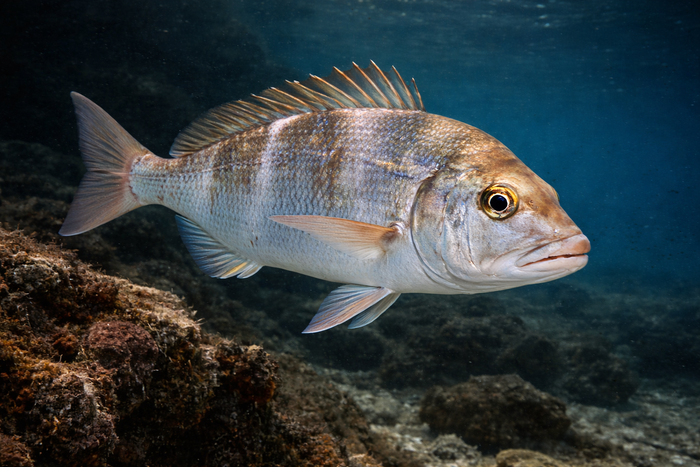
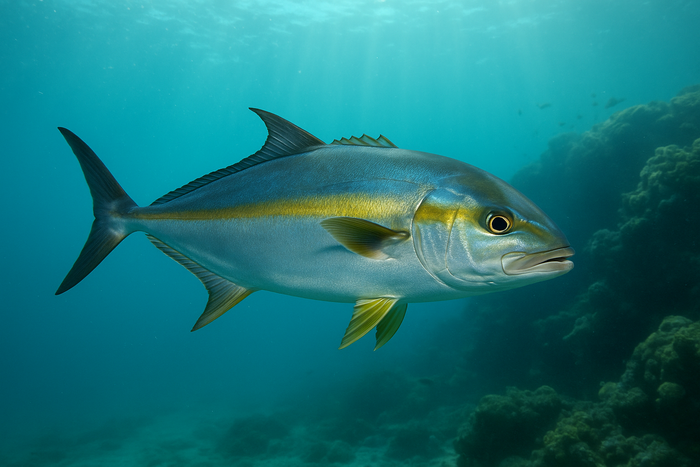
Sand Tile Fish (Malacanthus plumieri): The Ocean’s Architect with a Flair for Style
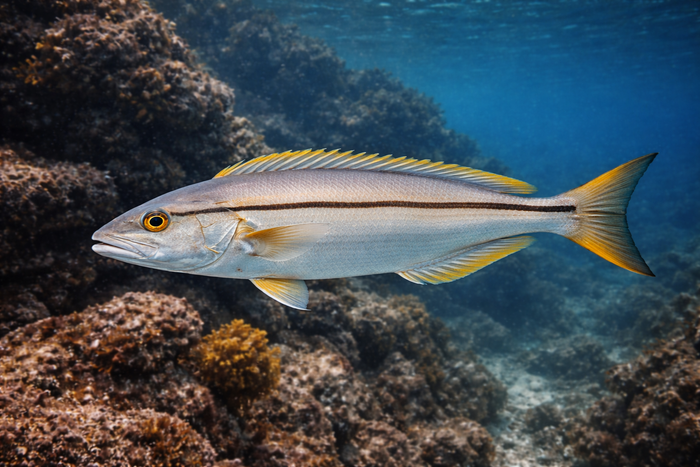
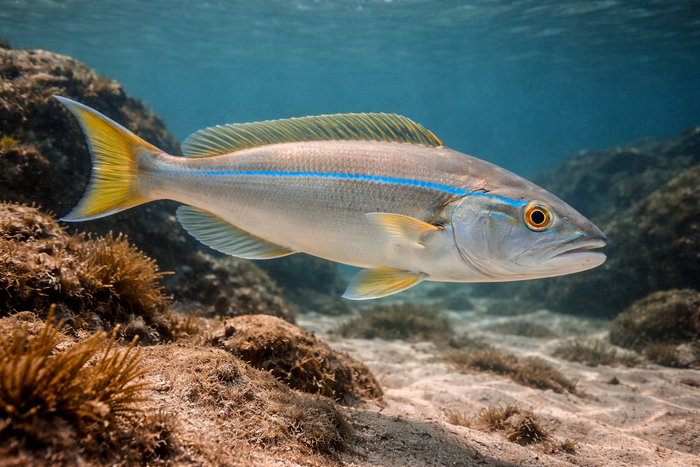
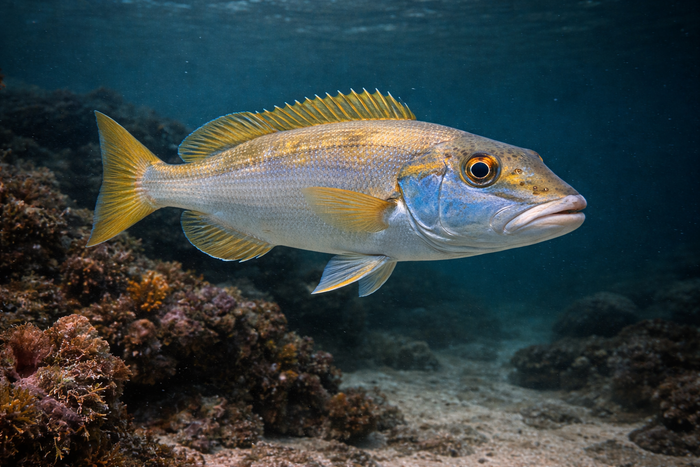
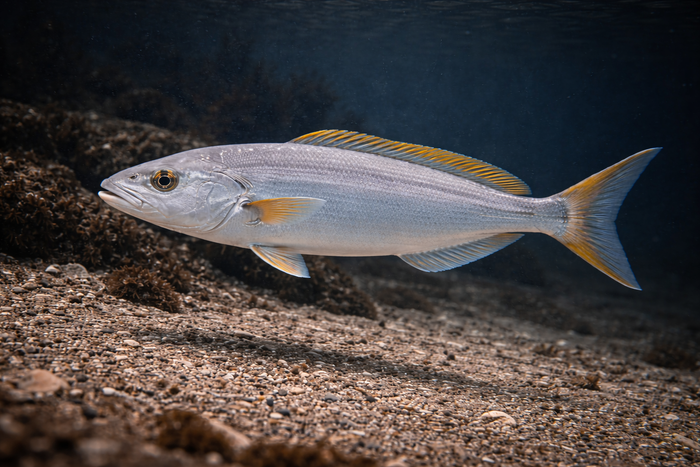
The Sand Tile Fish, Malacanthus plumieri, is not your average reef dweller. Sporting a sleek, elongated body and a palette of subtle earth tones, this fish commands attention without screaming for it. Known for its unique burrowing behavior and territorial nature, the Sand Tile Fish is a master of underwater real estate, crafting homes in sandy substrates that double as both refuge and hunting grounds. If you want to understand how a fish can blend utility with style, the Sand Tile Fish is a prime example.
What Makes the Sand Tile Fish Unique?
Forget flashy fins or neon colors. The Sand Tile Fish stands out because of its architectural prowess. It’s one of the few species that actively builds and maintains a burrow system in sandy or rubble areas near reefs. These burrows aren’t just holes; they’re carefully constructed tunnels and chambers that provide shelter from predators and a strategic base for ambushing prey.
Its body shape is perfectly adapted for this lifestyle—long and slender with a pointed snout, ideal for digging and navigating tight spaces. The fish also exhibits a distinctive behavior of hovering near its burrow entrance, darting out to snatch unsuspecting crustaceans and small fish. This combination of building and hunting tactics makes it a fascinating subject for anyone interested in fish behavior.
Habitat & Global Range
The Sand Tile Fish calls the western Atlantic Ocean home, ranging from the southeastern United States down through the Caribbean and along the northern coast of South America. It prefers sandy or rubble bottoms adjacent to coral reefs, where it can easily excavate its burrows.
Sand Tile Fish habitat is typically shallow to moderate depths, often between 10 and 60 meters. These environments provide the perfect mix of loose substrate for digging and nearby reef structures that support a diverse food web. The fish’s reliance on specific habitat types means it’s a good indicator species for the health of sandy reef margins.
Behavior & Temperament
Territorial doesn’t even begin to cover it. Sand Tile Fish are fiercely protective of their burrows, often aggressively chasing away intruders, including other fish and potential predators. Their territorial displays include rapid fin flicks and sudden lunges, signaling that this patch of sand is off-limits.
Despite their aggressive defense of turf, they are not social fish. They prefer solitude, with each individual maintaining its own burrow. When it comes to feeding, they are opportunistic predators, feeding mainly on small crustaceans, worms, and tiny fish that wander too close.
Their behavior is a blend of patience and precision—waiting motionless near the burrow entrance before striking with lightning speed. This ambush strategy minimizes energy expenditure while maximizing success, a smart survival tactic in the competitive reef environment.
Ecological Importance
The Sand Tile Fish plays a subtle but crucial role in its ecosystem. By digging and maintaining burrows, it aerates the sandy substrate, which benefits other benthic organisms. This bioturbation helps recycle nutrients and maintains the health of the sediment environment.
Moreover, as a mid-level predator, it helps control populations of small invertebrates and fish, contributing to the balance of the reef food web. Its burrows also provide shelter for other small creatures, creating microhabitats that increase local biodiversity.
In short, the Sand Tile Fish is an ecosystem engineer, quietly shaping its environment in ways that ripple through the reef community.
Conservation & Environmental Pressures
While not currently listed as endangered, the Sand Tile Fish faces threats common to many reef-associated species. Habitat degradation due to coastal development, pollution, and climate change-induced coral reef decline all impact the sandy reef margins it depends on.
Sedimentation and water quality issues can smother the sandy substrates, making burrow construction difficult or impossible. Overfishing in some areas may indirectly affect the Sand Tile Fish by disrupting the reef food web, reducing prey availability.
Protecting Sand Tile Fish habitat means safeguarding the broader reef ecosystem. Conservation efforts focused on reef preservation, water quality improvement, and sustainable coastal management will benefit this species along with countless others.
The FishyAF Take
The Sand Tile Fish is a masterclass in understated aquatic adaptation. It doesn’t rely on flashy displays or speed to survive. Instead, it carves out a niche through clever engineering and strategic hunting. Its burrow-building behavior is a reminder that fish can be architects, not just swimmers.
For anyone fascinated by reef ecology or fish behavior, the Sand Tile Fish offers a compelling story of survival and specialization. It’s a species that deserves more attention—not just for its unique lifestyle but for the vital role it plays in maintaining the health of sandy reef ecosystems.
If you want to dive deeper into Sand Tile Fish facts or understand the nuances of Sand Tile Fish habitat, keep an eye on how these fish interact with their environment. They’re not just inhabitants; they’re active shapers of their underwater world.