North Atlantic Cusk (Brosme brosme): The Deep-Sea Oddball That Defies Cod Expectations
Meet the North Atlantic Cusk, a fish that looks like it couldn’t decide between a cod and an eel and ended up with a personality all its own. Brosme brosme is not your everyday bottom-dweller. It’s a deep-water species that commands attention with its robust body, unique coloration, and a reputation for being a bit of a mystery in the cold, dark depths of the North Atlantic. This guide dives into the North Atlantic Cusk’s quirks, its role in the ecosystem, and why it’s worth knowing beyond the usual fish market chatter.
What Makes the North Atlantic Cusk Unique?
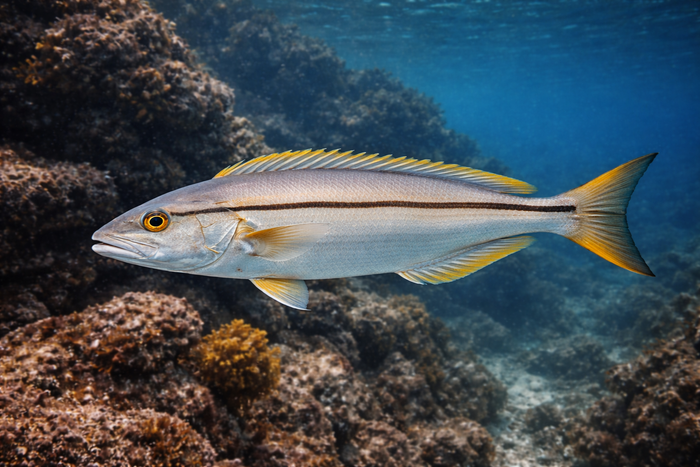
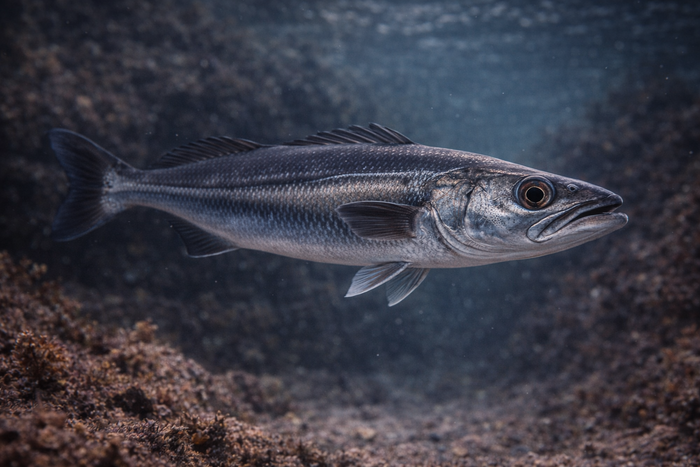
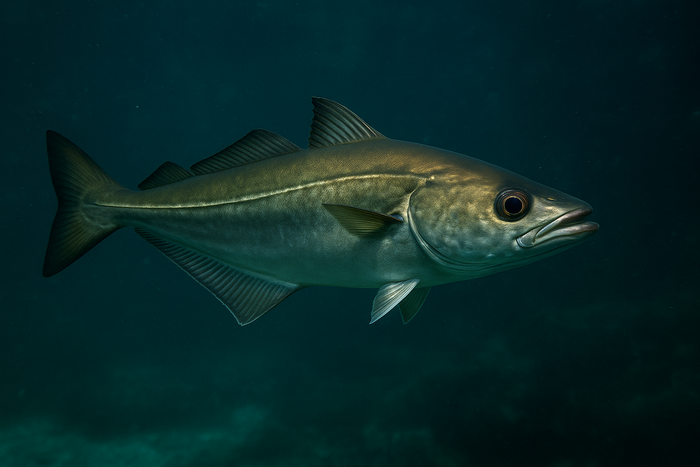
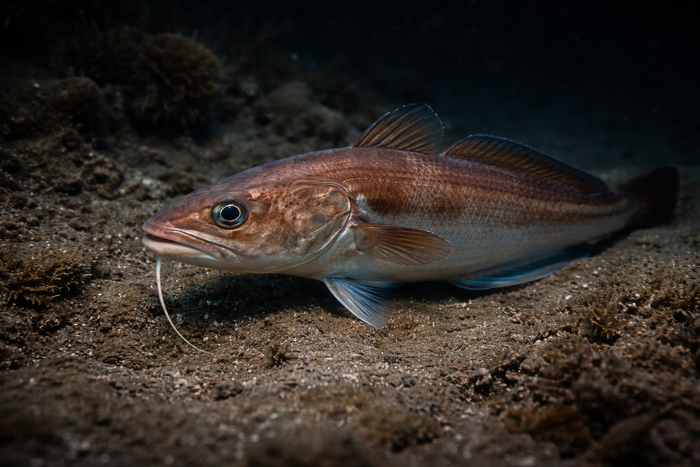
The North Atlantic Cusk stands out for several reasons. First, its body shape is a curious blend of cod-like bulk and eel-like elongation, with a single long dorsal fin running almost the entire length of its back. Unlike many of its relatives, it sports a thick, heavyset frame and a blunt head with a large mouth full of sharp teeth. Its coloration is a muted mix of browns and grays, perfect camouflage against rocky ocean floors.
But the real kicker is its biology. The cusk is the only member of its genus, Brosme, and it’s the largest of the lot, growing up to impressive lengths. It’s a slow-growing, late-maturing species, which makes it vulnerable to overfishing. Its reproductive habits are also noteworthy; it lays eggs that sink to the bottom, where the larvae develop in relative safety.
Habitat & Global Range
The North Atlantic Cusk calls the cold, deep waters of the North Atlantic home. Its range stretches from the eastern coast of North America, including the Gulf of Maine and Newfoundland, across to the waters around Iceland, Greenland, and down to the British Isles. It prefers rocky substrates and can be found at depths ranging from about 50 meters down to over 1000 meters, though it’s most commonly encountered between 200 and 600 meters.
This fish is a bottom-dweller, favoring rugged terrain where it can hide among crevices and boulders. The North Atlantic Cusk habitat is characterized by cold temperatures and low light, conditions that have shaped its slow metabolism and stealthy lifestyle. Unlike many coastal species, it’s not one for shallow reefs or sandy bottoms—it’s a deep-water specialist.
Behavior & Temperament
The North Atlantic Cusk is a solitary, nocturnal predator. It spends daylight hours nestled in rocky hideouts, emerging at night to hunt. Its diet consists mainly of smaller fish, crustaceans, and mollusks, making it an opportunistic feeder with a taste for whatever’s available in its benthic neighborhood.
Despite its size and teeth, the cusk is not aggressive toward divers or other large animals. It’s more of a stealth hunter than a confrontational fighter. Its slow movements and preference for hiding spots suggest a cautious temperament, adapted to avoid predators and conserve energy in its cold environment.
Ecological Importance
The North Atlantic Cusk plays a crucial role in the deep-sea food web. As a mid-level predator, it helps regulate populations of smaller fish and invertebrates, maintaining balance on the ocean floor. Its presence indicates a healthy benthic ecosystem, as it requires stable, undisturbed habitats to thrive.
Moreover, the cusk serves as prey for larger predators, including sharks and seals, linking different trophic levels. Its slow growth and late maturity mean it’s a key species for understanding the impacts of fishing and environmental changes on deep-sea communities.
Conservation & Environmental Pressures
The North Atlantic Cusk is under pressure from commercial fishing, particularly trawl fisheries targeting groundfish. Its slow reproductive rate and long lifespan make it vulnerable to overexploitation. Populations have declined in some areas, prompting concerns about sustainability.
Habitat degradation from bottom trawling further threatens the rocky environments the cusk depends on. Climate change adds another layer of risk, with warming waters potentially disrupting its cold-water habitat and food sources.
Conservation efforts focus on monitoring populations, regulating catch limits, and protecting critical habitats. The North Atlantic Cusk is a reminder that deep-sea species are not immune to human impacts and require careful management to avoid slipping into decline unnoticed.
The FishyAF Take
The North Atlantic Cusk is a fish that demands respect. It’s not flashy or fast, but it’s a survivor shaped by one of the harshest environments on the planet. Its unique biology and ecological role make it a fascinating subject for anyone serious about understanding North Atlantic marine life.
If you’re after North Atlantic Cusk facts, remember this: it’s a slow-growing, deep-dwelling predator that’s more vulnerable than it looks. Its habitat is a fragile, cold-water world that’s easy to overlook but impossible to ignore once you know what’s at stake.
In the grand scheme of ocean life, the cusk is a testament to the complexity and resilience of deep-sea ecosystems. Protecting it means protecting the unseen corners of the ocean that keep the whole system ticking. So next time you hear about the North Atlantic Cusk, think beyond the plate and appreciate the bold, memorable fish lurking beneath the waves.