Sablefish (Anoplopoma fimbria): The Deep-Sea Black Gold of the Pacific
Sablefish, often overshadowed by flashier seafood stars, deserve serious attention. Known scientifically as Anoplopoma fimbria, this sleek, dark-hued fish is a powerhouse of flavor and resilience. It’s a staple for chefs and anglers alike, prized for its rich, buttery flesh and impressive adaptability to some of the ocean’s most challenging environments. If you’re looking to understand a species that blends culinary prestige with ecological significance, the sablefish is your catch.
What Makes the Sablefish Unique?
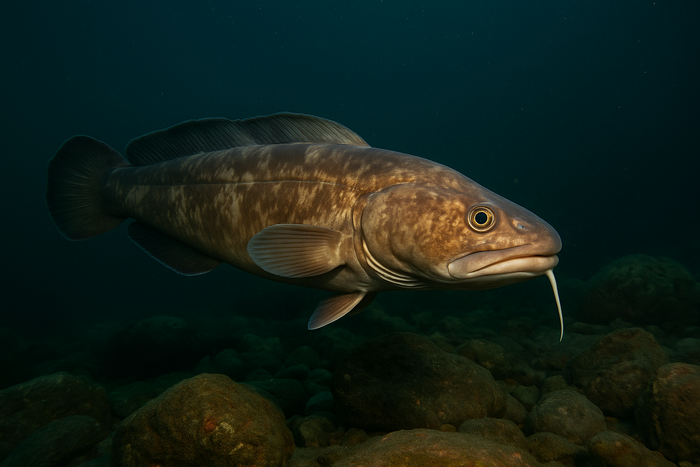
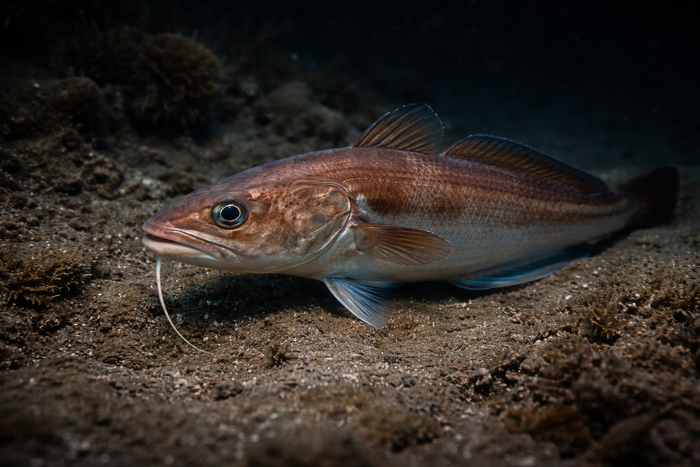
Sablefish stand out in the fish world for several reasons. First, their appearance: a smooth, elongated body cloaked in a deep, almost black skin that gives them their name. Unlike many fish, sablefish have no scales, which contributes to their slippery, almost eel-like feel. Their large eyes hint at their deep-water lifestyle, adapted to low-light conditions.
But the real intrigue lies beneath the surface. Sablefish have an extraordinary ability to thrive in cold, oxygen-poor waters at depths ranging from 300 to over 2,700 meters. This adaptability is rare and makes them a valuable indicator species for deep-sea ecosystems. Their slow growth and late maturity mean they live long lives, sometimes over 90 years, which is remarkable for fish. This longevity, combined with their fat-rich flesh, makes sablefish a prized target for sustainable fisheries.
Habitat & Global Range
Sablefish habitat is primarily the North Pacific Ocean, stretching from the waters off California, up through Alaska, and across to the coasts of Russia and Japan. They prefer the continental slope and abyssal plains, where cold, nutrient-rich currents provide a steady food supply. These fish are bottom dwellers, often found near muddy or silty substrates where they can hunt for crustaceans, squid, and smaller fish.
Their preference for deep, cold waters means sablefish avoid the crowded shallows, carving out a niche in some of the ocean’s least hospitable zones. This deep-sea habitat is crucial for their survival, offering protection from many predators and human impacts, though not immunity.
Behavior & Temperament
Sablefish behavior is a study in efficiency and stealth. They are solitary hunters, relying on slow, deliberate movements to ambush prey. Their diet is opportunistic, including a mix of benthic invertebrates and midwater fish, which they detect using keen senses adapted to the dark depths.
Temperament-wise, sablefish are not aggressive but are highly territorial when it comes to feeding grounds. They exhibit seasonal migrations, moving to shallower waters during spawning periods. This behavior is critical for their reproduction and influences fishing patterns, as sablefish become more accessible during these migrations.
Ecological Importance
Sablefish play a pivotal role in deep-sea food webs. As mid-level predators, they help regulate populations of smaller fish and invertebrates, maintaining balance in benthic ecosystems. Their presence indicates a healthy, functioning deep-sea environment, which is essential for overall ocean health.
Moreover, sablefish serve as prey for larger predators like Pacific halibut, sharks, and marine mammals. This dual role as predator and prey underscores their importance in nutrient cycling and energy transfer in marine ecosystems. Understanding sablefish facts is key to grasping the complexity of deep-sea ecological dynamics.
Conservation & Environmental Pressures
Despite their deep-water refuge, sablefish face significant environmental pressures. Overfishing has historically threatened populations, especially with the rise of commercial trawling and longline fisheries targeting their valuable flesh. Fortunately, strict management practices and quotas have been implemented in many regions, promoting sustainable harvests.
Climate change poses a more insidious threat. Changes in ocean temperature, oxygen levels, and acidification can disrupt sablefish habitat and food availability. Their slow growth and late maturity make population recovery a slow process, increasing vulnerability to environmental shifts.
Bycatch and habitat disturbance from deep-sea fishing gear also impact sablefish populations. Ongoing monitoring and adaptive management are essential to ensure these fish continue to thrive in their natural habitat.
The FishyAF Take
Sablefish are the unsung heroes of the deep Pacific, combining ecological importance with culinary excellence. Their unique adaptations to extreme environments make them fascinating subjects for marine biology, while their buttery texture and rich flavor have earned them a permanent spot on high-end menus worldwide.
For anglers and conservationists alike, sablefish represent a delicate balance between human use and ecosystem health. Understanding sablefish facts and habitat is not just trivia—it’s a roadmap for responsible stewardship. Next time you encounter sablefish, whether on a plate or in the wild, appreciate the story behind this deep-sea marvel. It’s a reminder that the ocean’s depths hold treasures far beyond the surface, demanding respect and care.