Sea Raven (Hemitripterus americanus): The Ocean’s Oddball with Armor and Attitude
Meet the Sea Raven, a fish that looks like it escaped from a deep-sea horror flick but is actually a fascinating member of the North Atlantic marine community. Hemitripterus americanus is not your average fish; it’s built like a tank, covered in bony plates, and sports a face that commands attention. This species blends bizarre appearance with intriguing biology, making it a standout subject for anyone interested in marine life. If you want to know what sets the Sea Raven apart, where it thrives, and why it matters, you’re in the right place.
What Makes the Sea Raven Unique?
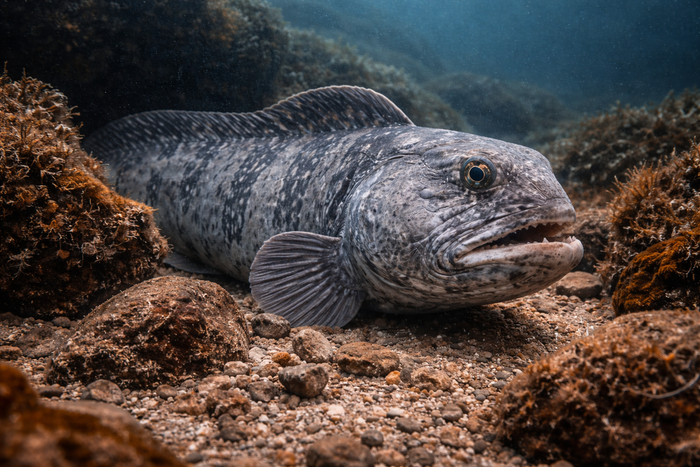
The Sea Raven’s most striking feature is its armor. Unlike typical fish scales, it has thick, bony plates called scutes that give it a rugged, prehistoric look. These plates aren’t just for show—they provide serious protection against predators. Its large, fan-like pectoral fins and spiny dorsal fin add to its intimidating silhouette. The head is a masterpiece of oddity, with fleshy flaps and ridges that break up its outline, perfect for camouflage among rocks and seaweed.
Another standout trait is its venomous spines. The Sea Raven carries venom glands at the base of its dorsal spines, which can deliver a painful sting if provoked. This defense mechanism is a clear warning to predators and careless divers alike. Its slow, deliberate movements and benthic lifestyle mean it’s not chasing prey at high speed but relying on stealth and surprise.
Unlike many fish that rely on speed or schooling, the Sea Raven uses its cryptic appearance and venom to survive. Its diet is opportunistic, feeding on small invertebrates and fish, often ambushing prey from the seafloor. This combination of armor, venom, and camouflage makes the Sea Raven a uniquely equipped player in its ecosystem.
Habitat & Global Range
Sea Raven habitat is primarily along the cold, rocky coasts of the North Atlantic, from the Gulf of St. Lawrence down to the mid-Atlantic states of the U.S. They prefer shallow to moderately deep waters, typically between 10 and 200 meters. These fish are bottom dwellers, favoring rocky substrates, kelp forests, and areas with plenty of crevices to hide in.
Their range is fairly localized to the northwest Atlantic, making them a regional specialist. The Sea Raven thrives in temperate waters where the ocean floor is complex and rich in hiding spots. This habitat preference helps them avoid predators and ambush prey effectively. Seasonal movements are minimal; they tend to stick close to their preferred grounds year-round, adapting to temperature shifts by moving slightly deeper or shallower as needed.
Understanding Sea Raven habitat is crucial for appreciating how this fish fits into the coastal marine environment. Its reliance on rocky, structured habitats means it’s vulnerable to changes in coastal ecosystems, which we’ll touch on later.
Behavior & Temperament
The Sea Raven is not a social butterfly. It’s a solitary, territorial fish that prefers to keep to itself. Its behavior is slow and methodical, often seen resting on the seafloor or slowly cruising just above it. When threatened, it puffs up its dorsal spines and fans out its pectoral fins to appear larger and more menacing.
Despite its intimidating look, the Sea Raven is not aggressive unless provoked. It’s more of a cautious ambush predator than a hunter chasing down prey. Its feeding strategy involves lying in wait and striking when a small fish or crustacean wanders too close. This patient approach suits its armored body and venomous spines perfectly.
Reproduction is another interesting aspect. Sea Ravens lay eggs in nests guarded by males, a behavior that adds a layer of parental care uncommon in many fish species. This investment increases offspring survival in the rough coastal environment.
Ecological Importance
Sea Ravens play a subtle but important role in their ecosystem. As mid-level predators, they help control populations of small invertebrates and fish, maintaining balance on the rocky seafloor. Their presence indicates a healthy benthic environment since they rely on complex habitats that support diverse marine life.
They also serve as prey for larger predators like cod and seals, linking different trophic levels. Their venomous spines make them less palatable, but not invincible. This dynamic adds complexity to food web interactions in their range.
Moreover, Sea Ravens contribute to the biodiversity of temperate coastal ecosystems. Their unique adaptations and behaviors enrich the marine community, offering a glimpse into evolutionary responses to predation and environmental challenges.
Conservation & Environmental Pressures
Sea Ravens are not currently listed as endangered, but they face pressures that could impact populations if ignored. Coastal development, pollution, and habitat degradation threaten the rocky substrates and kelp forests they depend on. Sedimentation and chemical runoff can alter water quality and reduce prey availability.
Fishing practices, especially bottom trawling, pose a risk by damaging habitats and accidentally catching Sea Ravens as bycatch. While not a targeted species, their slow growth and low reproductive rate mean populations could decline if these pressures intensify.
Climate change adds another layer of uncertainty. Warming waters and shifting ocean currents may alter Sea Raven habitat, forcing them to adapt or relocate. Their limited range and habitat specificity make them vulnerable to rapid environmental changes.
Conservation efforts should focus on protecting coastal habitats, regulating fishing methods, and monitoring population trends. Maintaining the integrity of Sea Raven habitat is key to preserving this species and the broader marine ecosystem it supports.
The FishyAF Take
The Sea Raven is a masterclass in evolutionary armor and attitude. It’s a fish that doesn’t need speed or numbers to survive; it relies on a unique blend of defenses and stealth. Its bizarre appearance and venomous spines make it memorable, but its ecological role and habitat preferences reveal a species finely tuned to its environment.
For anyone fascinated by marine oddities or the complexities of coastal ecosystems, the Sea Raven offers a compelling story. It’s a reminder that survival in the ocean often comes down to adaptation, resilience, and a bit of swagger. Keep an eye out for this armored oddball next time you explore North Atlantic shores—it’s a fish that demands respect and curiosity in equal measure.