Wolfish (Anarhichas lupus): The Ocean’s Underwater Bulldog with a Bite to Match
Meet the wolfish, a marine enigma that looks like it escaped from a deep-sea horror story but plays a crucial role in its underwater world. Known scientifically as Anarhichas lupus, this fish is a master of survival, boasting a set of powerful jaws and teeth that earned it its fierce name. Far from just a scary face, the wolfish is a fascinating subject for anyone interested in marine biology, ecology, or just the raw, untamed side of ocean life.
What Makes the Wolfish Unique?
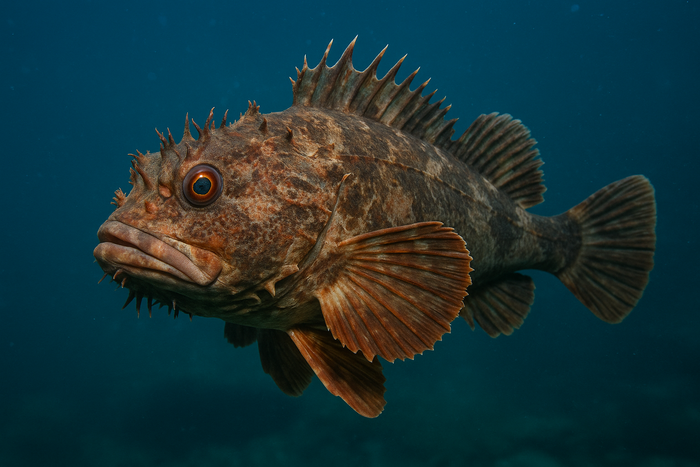
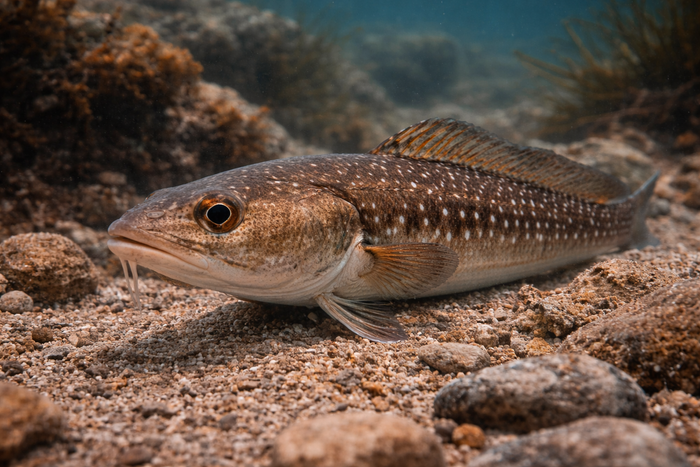
The wolfish stands out with its distinctive appearance and formidable dental arsenal. Its large, elongated body is covered in thick, mottled skin that acts like armor. But the real showstopper is its teeth: large, canine-like incisors up front and crushing molars in the back. This setup allows the wolfish to crack open hard-shelled prey like sea urchins, crabs, and mollusks with ease. Unlike many fish that rely on speed or camouflage, the wolfish relies on brute force and a relentless bite.
Another unique trait is its ability to produce antifreeze proteins in its blood, allowing it to thrive in icy waters where most fish would freeze. This biochemical adaptation is a game-changer for survival in the cold North Atlantic and Arctic waters, making the wolfish a true cold-water specialist.
Habitat & Global Range
The wolfish is a cold-water champion, primarily found in the North Atlantic Ocean, stretching from the eastern coast of North America to the coasts of northern Europe and Russia. Its habitat includes rocky seabeds, kelp forests, and areas with plenty of crevices to hide in. Depth-wise, wolfish tend to hang out anywhere from shallow coastal waters down to about 500 meters, showing a preference for colder temperatures between 0 and 10 degrees Celsius.
Wolfish habitat is tightly linked to cold, nutrient-rich waters where their prey thrives. They are often spotted near the continental shelf and slope regions, where the ocean floor provides ample hunting grounds. Their presence in these areas is a good indicator of a healthy benthic ecosystem.
Behavior & Temperament
Don’t expect the wolfish to be a social butterfly. These fish are solitary hunters, patrolling the ocean floor with a slow, deliberate style. Their behavior is methodical rather than flashy, relying on stealth and power rather than speed. When threatened, they can display aggression, using their strong jaws to defend themselves effectively.
Wolfish are also known for their territorial nature. They stake out prime real estate on the rocky seabed and defend it against intruders. This territoriality extends to their breeding habits, where males guard nests of eggs until they hatch. This parental investment is relatively rare among fish and highlights the wolfish’s commitment to the next generation.
Ecological Importance
The wolfish plays a vital role in maintaining the balance of benthic ecosystems. By preying on sea urchins and other invertebrates, they help control populations that, if left unchecked, could devastate kelp forests and other critical habitats. This predatory role makes them a keystone species in their environment.
Their feeding habits also contribute to nutrient cycling on the ocean floor. By breaking down hard-shelled prey, wolfish facilitate the recycling of calcium and other minerals back into the ecosystem. This process supports a diverse community of organisms that depend on a healthy seabed.
Conservation & Environmental Pressures
Despite their rugged nature, wolfish face several threats from human activity and environmental changes. Overfishing has historically impacted their populations, as their meat is considered a delicacy in some regions. Bycatch in commercial fisheries also poses a significant risk.
Climate change is another looming threat. Rising ocean temperatures and acidification could disrupt wolfish habitat and prey availability. Their reliance on cold waters and specific prey makes them vulnerable to shifts in ocean chemistry and temperature.
Conservation efforts are underway in some areas, focusing on habitat protection and sustainable fishing practices. Monitoring wolfish populations is critical to ensure this species continues to thrive and maintain its ecological role.
The FishyAF Take
The wolfish is not your average fish. It’s a rugged, no-nonsense predator built for cold, harsh environments and a diet that demands serious dental hardware. Its unique adaptations, from antifreeze proteins to crushing teeth, make it a standout in the marine world. Understanding wolfish facts and habitat is essential for appreciating how this species fits into the broader ecosystem puzzle.
If you want to grasp the raw power and resilience of ocean life, the wolfish is a prime example. It’s a reminder that the ocean’s depths are home to creatures as tough and complex as any on land. Keep an eye on this species—not just for its fearsome looks but for its vital role in keeping cold-water ecosystems balanced and thriving.