Ocean Pout (Zoarces americanus): The Cold-Water Survivor with a Venomous Edge
The Ocean Pout is not your average bottom-dweller. This eel-like fish prowls the chilly waters of the North Atlantic with a distinctive look and a suite of adaptations that make it a standout in cold marine environments. Known scientifically as Zoarces americanus, the Ocean Pout combines resilience, a venomous bite, and a fascinating biology that has intrigued scientists and fishermen alike. If you want a deep dive into Ocean Pout facts that go beyond the surface, you’re in the right place.
What Makes the Ocean Pout Unique?
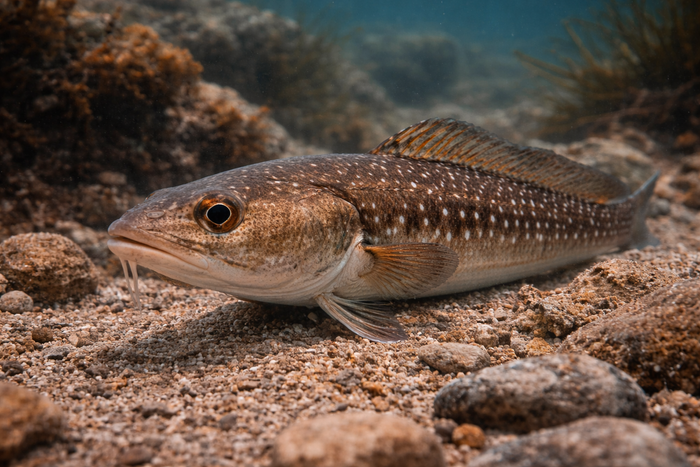
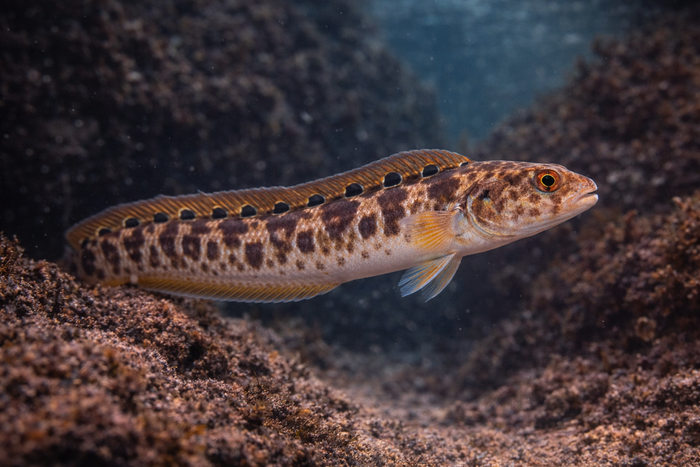
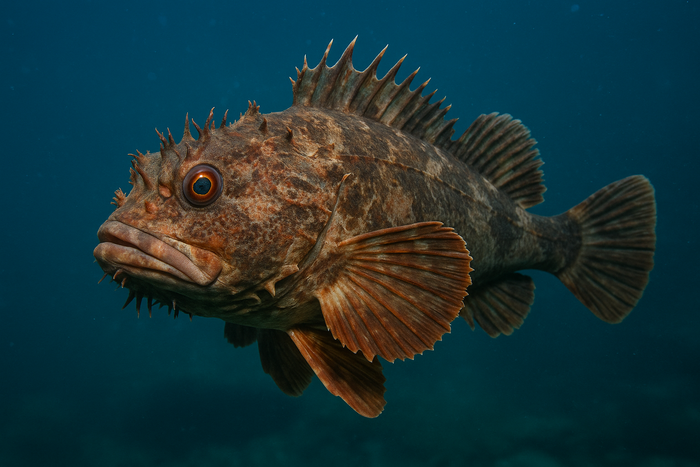
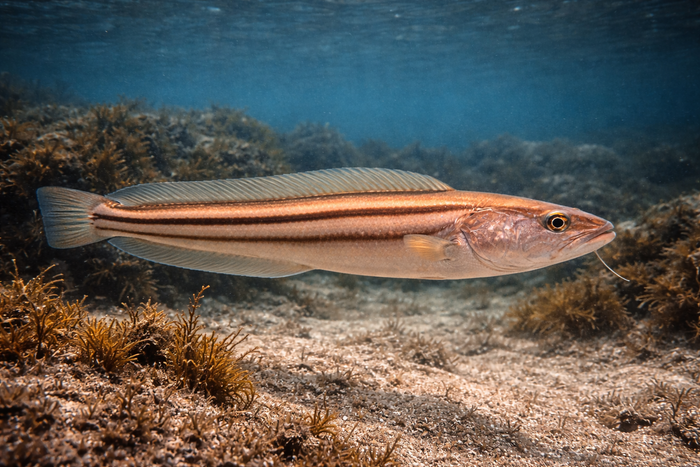
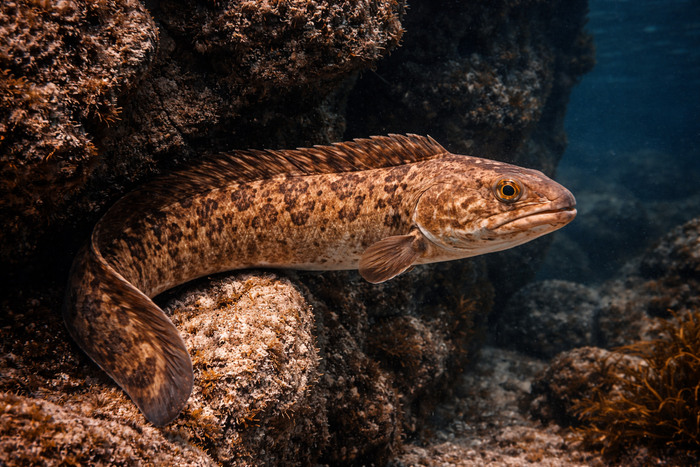
Forget sleek and shiny. The Ocean Pout sports a thick, slimy skin covered in tiny scales, giving it a rubbery texture that’s perfect for slipping through rocky crevices. Its elongated body resembles an eel but it’s actually a member of the Zoarcidae family, often called eelpouts. What really sets it apart is its venomous dorsal fin spines. These spines deliver a painful sting to predators or careless handlers, a rare trait among bottom fish.
Another standout feature is its antifreeze proteins. The Ocean Pout produces glycoproteins that prevent its blood from freezing in near-freezing waters. This biological antifreeze is so effective that it has inspired research into cryopreservation and cold storage technologies. This fish isn’t just surviving the cold; it’s thriving in it.
Habitat & Global Range
Ocean Pout habitat is firmly rooted in the cold, temperate waters of the Northwest Atlantic. You’ll find them from the Gulf of Maine down to the mid-Atlantic coast, and even as far north as the Canadian Maritimes. They prefer rocky bottoms, kelp beds, and areas with plenty of crevices where they can hide from predators and ambush prey.
Depth-wise, Ocean Pouts are versatile. They hang out anywhere from shallow coastal waters down to about 450 meters deep. Their preference for cold, oxygen-rich waters means they’re mostly absent from warmer southern waters. This fish is a true cold-water specialist, perfectly adapted to the Ocean Pout habitat’s unique challenges.
Behavior & Temperament
Ocean Pouts are bottom-dwelling ambush predators. They spend much of their time lurking among rocks and seaweed, waiting for unsuspecting prey like small fish, crustaceans, and worms. Their slow, deliberate movements make them masters of stealth rather than speed.
Despite their venomous spines, Ocean Pouts are not aggressive unless provoked. They’re more likely to retreat into a crevice than confront a threat head-on. However, if cornered or handled roughly, those dorsal spines will deliver a nasty sting. This defense mechanism keeps most predators at bay.
They are solitary creatures, rarely seen in large groups. Their territorial nature means they stake out a prime hiding spot and defend it from intruders. This behavior ensures they have a reliable hunting ground and shelter from the harsh ocean environment.
Ecological Importance
Ocean Pouts play a critical role in the benthic ecosystem. As mid-level predators, they help control populations of smaller fish and invertebrates, maintaining a balanced food web. Their presence indicates a healthy, oxygen-rich environment, making them useful bioindicators for marine scientists monitoring ocean health.
They also serve as prey for larger predators such as cod, seals, and certain seabirds. This dual role as predator and prey integrates them tightly into the marine food chain. Their antifreeze proteins and venomous spines add layers of complexity to predator-prey interactions in cold-water ecosystems.
Conservation & Environmental Pressures
Currently, Ocean Pout populations are not considered endangered, but they face pressures from habitat degradation and climate change. Rising ocean temperatures threaten to shrink their cold-water habitat, pushing them further north or into deeper waters. This shift could disrupt local ecosystems where they play a key role.
Fishing practices also impact Ocean Pouts. While not a primary target species, they often get caught as bycatch in trawl fisheries. Their tough skin and venomous spines make them less desirable commercially, but bycatch mortality still affects population dynamics.
Pollution and ocean acidification add further stress, potentially impacting their reproductive success and prey availability. Monitoring Ocean Pout habitat changes offers valuable insight into broader environmental shifts in the North Atlantic.
The FishyAF Take
The Ocean Pout is a cold-water warrior with a venomous twist and a biological toolkit that’s nothing short of remarkable. It’s a fish that refuses to be overlooked, thriving where others would freeze or flee. From its antifreeze proteins to its defensive spines, the Ocean Pout embodies evolutionary innovation.
For anglers and marine enthusiasts, it’s a reminder that the ocean’s depths hold creatures that challenge our expectations. The Ocean Pout’s role in the ecosystem and its sensitivity to environmental changes make it a species worth watching closely. If you want to understand cold-water marine life, mastering Ocean Pout facts is a solid start. This fish is a testament to nature’s ability to adapt and survive in the harshest conditions, and that’s a story worth telling.