Striped Cusk Eel (Ophidion marginatum): The Slender Shadow of the Seafloor That’s Anything But Ordinary
The Striped Cusk Eel, Ophidion marginatum, is not your average bottom-dweller. This elongated, snake-like fish slips through the sandy and muddy substrates of coastal waters with a stealth that commands attention. Despite its unassuming appearance, the Striped Cusk Eel packs a fascinating blend of adaptations and behaviors that make it a standout species in the marine world. If you’re diving into Striped Cusk Eel facts, prepare to meet a creature that’s both elusive and essential to its ecosystem.
What Makes the Striped Cusk Eel Unique?
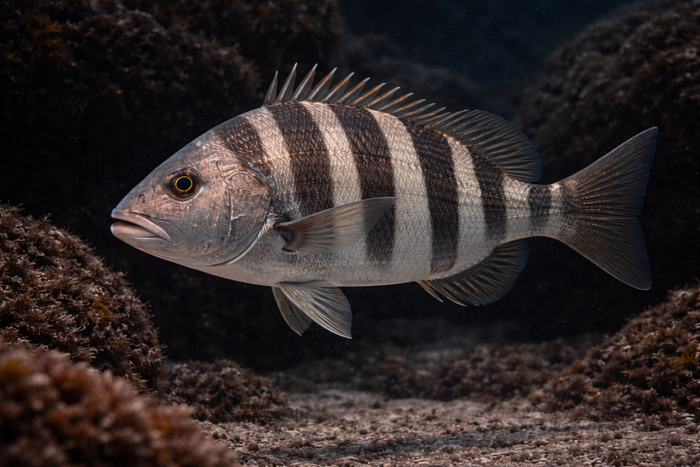
First off, the Striped Cusk Eel isn’t actually an eel. It belongs to the Ophidiidae family, which is a group of fish often mistaken for true eels due to their elongated bodies. Its defining feature is the series of dark, longitudinal stripes running along its silvery body, giving it a distinctive, almost hypnotic pattern. These stripes aren’t just for show—they help the eel blend into the dappled light and shadow of the seafloor, a perfect camouflage against predators and prey alike.
Another standout trait is its anatomy. Unlike many fish, the Striped Cusk Eel has a continuous dorsal, caudal, and anal fin that wraps around the tail, creating a ribbon-like fin structure. This design allows it to maneuver with snake-like precision through tight spaces and sediment. Its head is flattened with a slightly protruding lower jaw, equipped with small, sharp teeth designed for grasping small invertebrates and fish.
The Striped Cusk Eel also has an unusual respiratory adaptation. It can survive in low-oxygen environments common in muddy or silty bottoms by efficiently extracting oxygen, which lets it thrive where other fish might suffocate. This ability is a key reason it can dominate certain habitats.
Habitat & Global Range
Striped Cusk Eel habitat spans the western Atlantic coast, from the cold waters off Nova Scotia down to the warmer shores of Florida and the Gulf of Mexico. It prefers shallow coastal waters, typically between 10 and 200 meters deep, favoring sandy or muddy bottoms where it can burrow or hide among detritus.
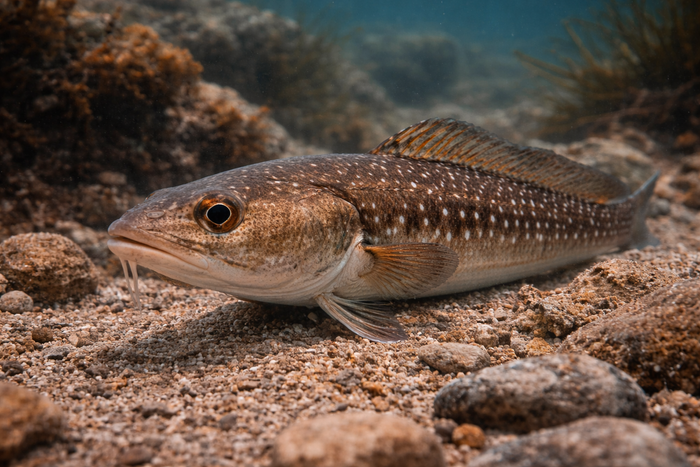
This species is a master of subtlety, often partially buried in sediment with only its head exposed, waiting for unsuspecting prey. Its preference for estuarine and nearshore environments means it’s well adapted to variable salinity and temperature conditions, a flexibility that broadens its range.
Behavior & Temperament
The Striped Cusk Eel is a nocturnal predator, coming alive when the sun dips below the horizon. During the day, it remains hidden beneath the substrate, conserving energy and avoiding predators. At night, it emerges to hunt small crustaceans, worms, and tiny fish with quick, darting movements.
It’s a solitary creature, showing little interest in social interaction beyond mating. When threatened, it doesn’t waste time with flashy displays or aggression. Instead, it relies on its camouflage and quick retreat into the sediment to evade danger.
Reproduction is a bit of a mystery with this species, but like many cusk eels, it likely involves external fertilization with eggs released into the water column. Larvae are planktonic, drifting with currents until they settle into suitable habitats.
Ecological Importance
Despite flying under the radar, the Striped Cusk Eel plays a critical role in coastal ecosystems. As a mid-level predator, it helps regulate populations of benthic invertebrates and small fish, maintaining a balance that supports healthy seafloor communities.
Its burrowing behavior also contributes to sediment turnover and aeration, which benefits other organisms living in the substrate. By stirring up the bottom, it helps recycle nutrients and supports the overall productivity of its habitat.
Additionally, the Striped Cusk Eel serves as prey for larger fish, seabirds, and marine mammals, linking lower and higher trophic levels in the food web. Its presence is a sign of a well-functioning coastal ecosystem.
Conservation & Environmental Pressures
The Striped Cusk Eel isn’t currently listed as endangered or threatened, but it faces pressures from human activities that impact coastal habitats. Pollution, sedimentation from coastal development, and bottom trawling fisheries can degrade or destroy the sandy and muddy environments it depends on.
Climate change adds another layer of risk by altering water temperatures and salinity patterns, potentially shifting its habitat range or affecting reproductive cycles. Because it relies on estuarine and nearshore areas, the Striped Cusk Eel is vulnerable to habitat fragmentation and water quality decline.
Monitoring populations and protecting critical habitats are essential to ensure this species continues to thrive. Its subtle presence masks an important ecological role that deserves attention in conservation planning.
The FishyAF Take
The Striped Cusk Eel is a prime example of how marine life can be both understated and indispensable. It’s a species that doesn’t scream for attention but quietly shapes the health of coastal ecosystems with its unique adaptations and behaviors. For anglers, divers, and marine enthusiasts curious about Striped Cusk Eel facts, this fish offers a lesson in the power of subtlety and specialization.
Understanding its habitat needs and ecological role underscores the importance of protecting coastal environments from human impact. The Striped Cusk Eel may not be the flashiest fish in the sea, but it’s a bold player in the underwater world, proving that sometimes the most memorable species are the ones you barely see.