Rock Gunnel (Pholis gunnellus): The Slippery, Eel-Like Rebel of Rocky Shores
The Rock Gunnel is not your average coastal fish. With an elongated, snake-like body and a bold attitude, it defies the typical fish silhouette and behavior. This species thrives in the nooks and crannies of rocky intertidal zones, making it a fascinating subject for anyone interested in marine life that operates on its own terms. If you’re looking for Rock Gunnel facts that go beyond the surface, you’re in the right place.
What Makes the Rock Gunnel Unique?
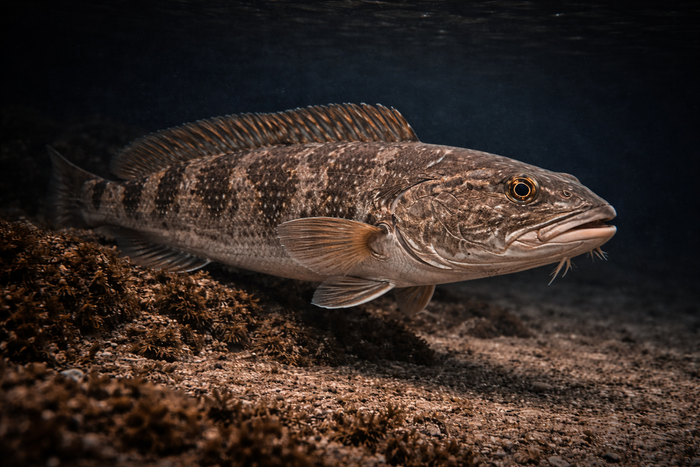
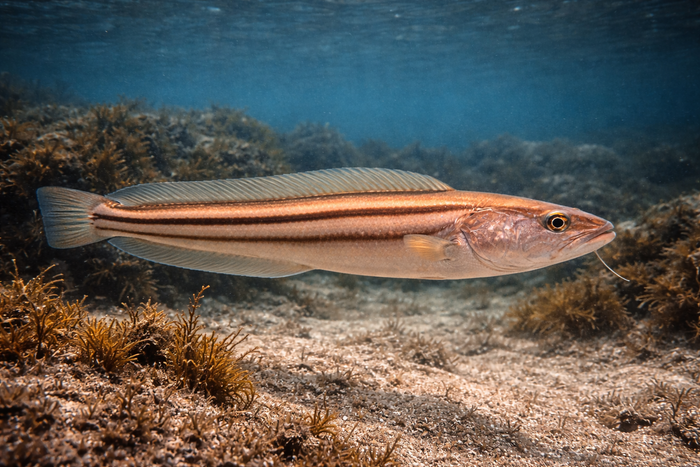
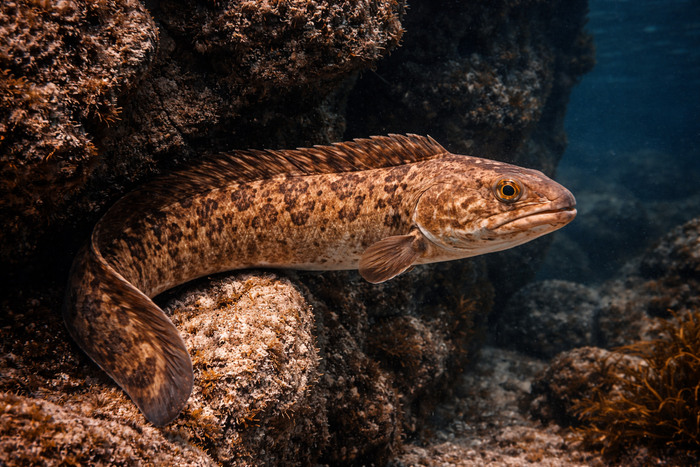
Forget streamlined, fast-swimming fish. The Rock Gunnel’s body is long, slender, and covered in small scales, giving it an eel-like appearance. But it’s no eel. Its dorsal fin runs almost the entire length of its body, a feature that helps it maneuver through tight spaces between rocks and seaweed with surprising agility. Unlike many fish that prefer open water, the Rock Gunnel is a master of hiding and squeezing into crevices.
Its coloration is another standout. Typically a mottled mix of browns, greens, and yellows, the Rock Gunnel blends seamlessly into its rocky surroundings. This camouflage isn’t just for show; it’s a survival strategy against predators and a stealth tactic for ambushing prey.
One of the most intriguing Rock Gunnel facts is its ability to survive out of water for extended periods. It can breathe through its skin and gills, allowing it to endure the ebb and flow of tides in the intertidal zone. This amphibious trait is rare among fish and showcases its evolutionary adaptation to a challenging environment.
Habitat & Global Range
The Rock Gunnel calls the cold, rocky shores of the North Atlantic home. Its range stretches from the eastern coast of North America, including the Gulf of Maine and down to the mid-Atlantic states, across to the European coasts of the UK, Scandinavia, and Iceland. This fish is a true North Atlantic specialist.
Rock Gunnel habitat is all about the intertidal and subtidal zones where rocky substrates dominate. These areas are harsh, with crashing waves, fluctuating temperatures, and variable salinity. The Rock Gunnel thrives here, tucked under rocks, within seaweed beds, and in tide pools. It’s a creature built for resilience in a tough neighborhood.
Behavior & Temperament
The Rock Gunnel is a solitary, secretive fish. It spends most of its time hiding rather than cruising open water. Its behavior is all about stealth and survival. When threatened, it doesn’t dart away in a straight line like many fish. Instead, it slithers into the nearest crevice, using its flexible body to disappear from sight.
Feeding is opportunistic. The Rock Gunnel preys on small invertebrates such as crustaceans, mollusks, and worms. It’s an ambush predator, relying on camouflage and patience rather than speed. Its elongated body allows it to probe into narrow spaces where prey hides.
Despite its secretive nature, the Rock Gunnel is surprisingly bold when it comes to defending its territory. It can display aggressive postures, flaring its dorsal fin and showing off bright colors hidden beneath its usual drab exterior. This display is a warning to intruders and rivals.
Ecological Importance
The Rock Gunnel plays a crucial role in the rocky shore ecosystem. As a mid-level predator, it helps control populations of small invertebrates, maintaining a balance that supports overall biodiversity. Its presence indicates a healthy intertidal zone, as it requires clean, oxygen-rich water and intact rocky habitats.
Additionally, the Rock Gunnel serves as prey for larger fish, seabirds, and marine mammals. Its camouflage and elusive behavior are part of a complex food web where every player counts. By occupying this niche, the Rock Gunnel contributes to the stability and resilience of coastal ecosystems.
Conservation & Environmental Pressures
While not currently listed as endangered, the Rock Gunnel faces environmental pressures that could impact its populations. Coastal development, pollution, and climate change threaten the integrity of its rocky shore habitat. Rising sea temperatures and ocean acidification can disrupt the delicate balance of intertidal ecosystems, affecting prey availability and habitat structure.
Human activities such as dredging and shoreline modification reduce the complexity of rocky habitats, making it harder for the Rock Gunnel to find shelter and food. Pollution, especially from runoff containing heavy metals and chemicals, can accumulate in these coastal zones, posing risks to this species.
Monitoring Rock Gunnel populations and protecting their habitats is essential for preserving the biodiversity of rocky shorelines. Conservation efforts should focus on maintaining water quality, minimizing habitat destruction, and mitigating climate impacts.
The FishyAF Take
The Rock Gunnel is a masterclass in adaptation and survival. It’s not flashy or fast, but it’s tough, clever, and perfectly suited to one of the most challenging marine environments. If you want to understand how life thrives in the cracks and crevices of the ocean’s edge, the Rock Gunnel is your go-to species.
This fish reminds us that success in nature isn’t about speed or size but about fitting into your niche and owning it. The Rock Gunnel’s unique physiology, behavior, and ecological role make it a standout character in the marine world. Next time you’re exploring tide pools or rocky shores, keep an eye out for this slippery, bold fish. It’s a small but mighty piece of the coastal puzzle.