Bandtail Puffer (Sphoeroides spengleri): The Bold Little Blowfish That Packs a Punch
The Bandtail Puffer is not your average small fish. Known scientifically as Sphoeroides spengleri, this compact marine marvel commands attention with its distinctive markings and surprising defense mechanisms. It’s a species that blends bold looks with clever survival tactics, making it a fascinating subject for anyone interested in marine life. Whether you’re diving into Bandtail Puffer facts or curious about its habitat, this guide breaks down everything you need to know about this memorable pufferfish.
What Makes the Bandtail Puffer Unique?
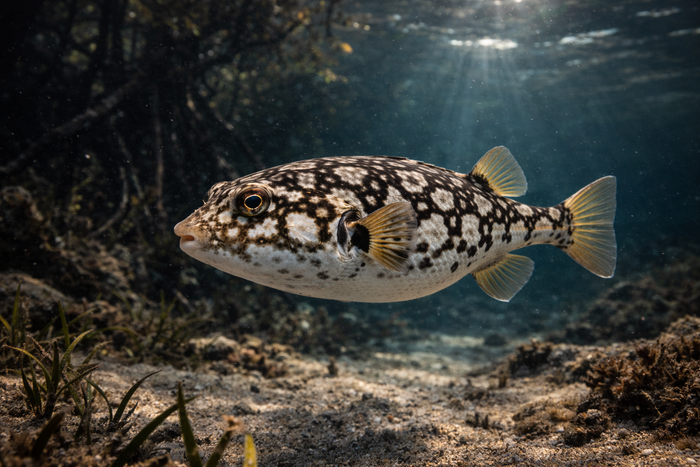
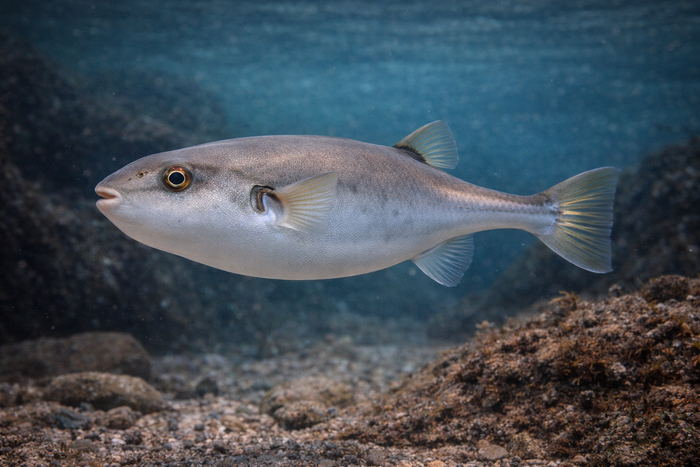
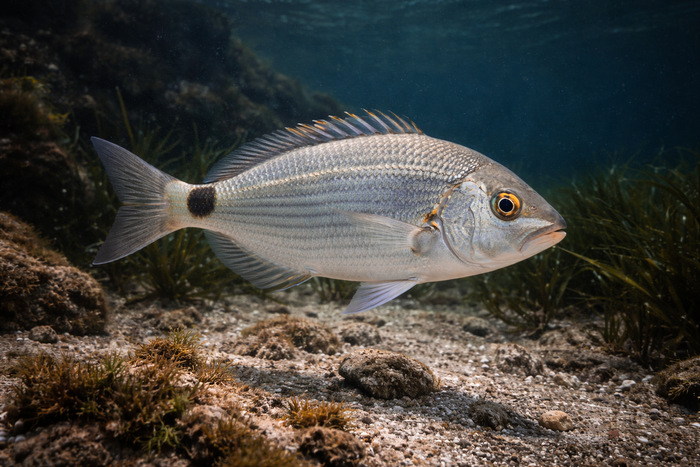
The Bandtail Puffer stands out in the pufferfish family thanks to its unmistakable tail band—a dark stripe that contrasts sharply against its lighter body. This visual signature isn’t just for show; it plays a role in communication and camouflage. Unlike some of its more flamboyant relatives, the Bandtail Puffer sports a more subtle, sandy coloration with mottled patterns that help it blend into seagrass beds and rocky reefs.
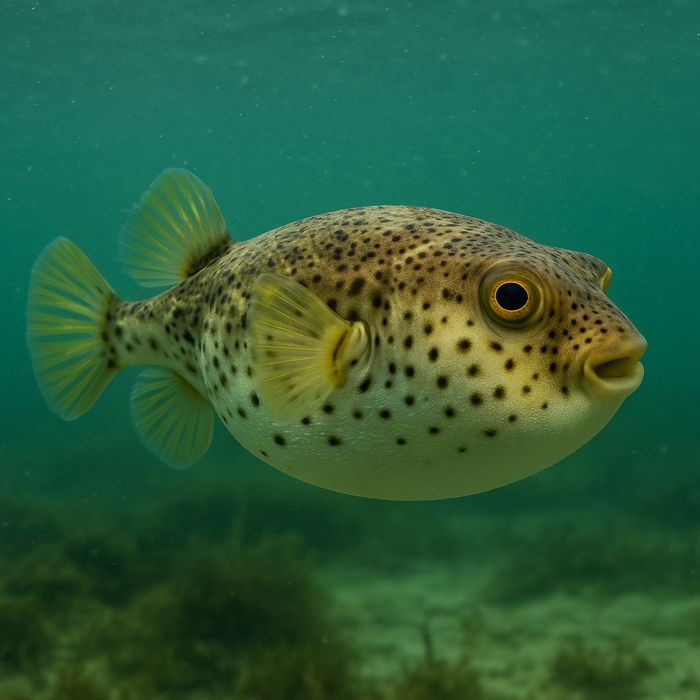
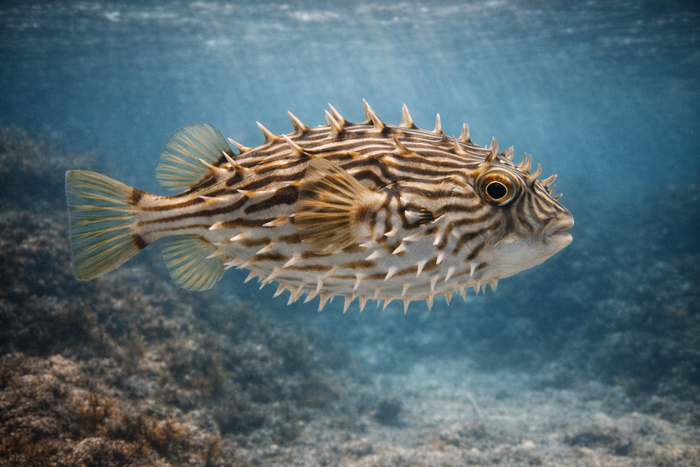
But the real headline feature is its ability to inflate. When threatened, the Bandtail Puffer swallows water or air, ballooning into a spiky orb that’s hard to swallow and even harder to ignore. This inflation, combined with its rough skin texture, deters predators effectively. On top of that, like many puffers, it carries tetrodotoxin—a potent neurotoxin that makes it a risky snack for any predator daring enough to try.
Habitat & Global Range
The Bandtail Puffer calls the western Atlantic Ocean home, with a range stretching from the coastal waters of the southeastern United States down through the Caribbean and into parts of northern South America. Its preferred Bandtail Puffer habitat includes shallow waters rich in seagrass beds, coral rubble, and sandy bottoms. These environments provide both food and shelter, allowing the puffer to hunt small invertebrates and hide from larger predators.
This species thrives in warm, tropical to subtropical waters, often found at depths ranging from just a few feet to around 30 meters. The complexity of its habitat is crucial; seagrass beds not only offer camouflage but also support the tiny crustaceans and mollusks that make up its diet. Understanding the Bandtail Puffer habitat is key to appreciating how this fish fits into the coastal ecosystem puzzle.
Behavior & Temperament
Bandtail Puffers are solitary and territorial by nature. They patrol their chosen patch of reef or seagrass, aggressively defending it from intruders. Despite their small size, they exhibit a bold temperament, often standing their ground rather than fleeing at the first sign of danger. This confidence is backed by their defensive inflation and toxin, making them less vulnerable than they appear.
Their feeding behavior is methodical. Using strong beak-like teeth, they crush hard-shelled prey such as snails, crabs, and small mollusks. They are opportunistic feeders, adapting their diet based on availability, which is a smart survival strategy in the ever-changing coastal environment.
Bandtail Puffers are not schooling fish; they prefer to keep to themselves except during breeding seasons. Mating involves males courting females with a series of displays and territorial dances. After spawning, the eggs are left to develop on their own, relying on the habitat’s complexity for protection.
Ecological Importance
The Bandtail Puffer plays a vital role in maintaining the balance of its ecosystem. By preying on small invertebrates, it helps control populations that could otherwise overgraze seagrass beds and coral reefs. This predation supports the health of these habitats, which are essential nursery grounds for countless marine species.
Additionally, Bandtail Puffers serve as prey for larger predators, contributing to the food web. Their toxin and inflation defense make them a challenging meal, which influences predator behavior and feeding patterns. This dynamic helps maintain biodiversity by preventing any single species from dominating the ecosystem.
Conservation & Environmental Pressures
While the Bandtail Puffer is not currently listed as endangered, it faces several environmental pressures that could impact its populations. Coastal development, pollution, and habitat degradation threaten the seagrass beds and coral reefs it depends on. These habitats are sensitive to water quality changes and physical disturbances, making the Bandtail Puffer vulnerable to human activities.
Climate change adds another layer of risk. Rising sea temperatures and ocean acidification can disrupt the delicate balance of coastal ecosystems, affecting food availability and breeding success. Overfishing in some regions also indirectly impacts the Bandtail Puffer by altering predator-prey relationships.
Conservation efforts focused on protecting coastal habitats and improving water quality are essential for the long-term survival of the Bandtail Puffer. Marine protected areas and sustainable coastal management practices benefit not only this species but the entire marine community.
The FishyAF Take
The Bandtail Puffer is a small fish with a big personality and an even bigger impact on its environment. Its unique combination of bold markings, clever defense mechanisms, and ecological role makes it a standout species in the coastal waters of the western Atlantic. For anyone fascinated by marine life, understanding Bandtail Puffer facts and habitat is a gateway to appreciating the complexity and resilience of coastal ecosystems.
This fish reminds us that size isn’t everything. Sometimes, it’s the little guys with the sharpest defenses and smartest survival strategies who keep the ocean’s balance intact. The Bandtail Puffer may not be the flashiest fish in the sea, but it’s certainly one of the most interesting—and that’s a fact worth knowing.