Checkered Pufferfish (Sphoeroides testudineus): Nature’s Bold, Inflatable Master of Disguise
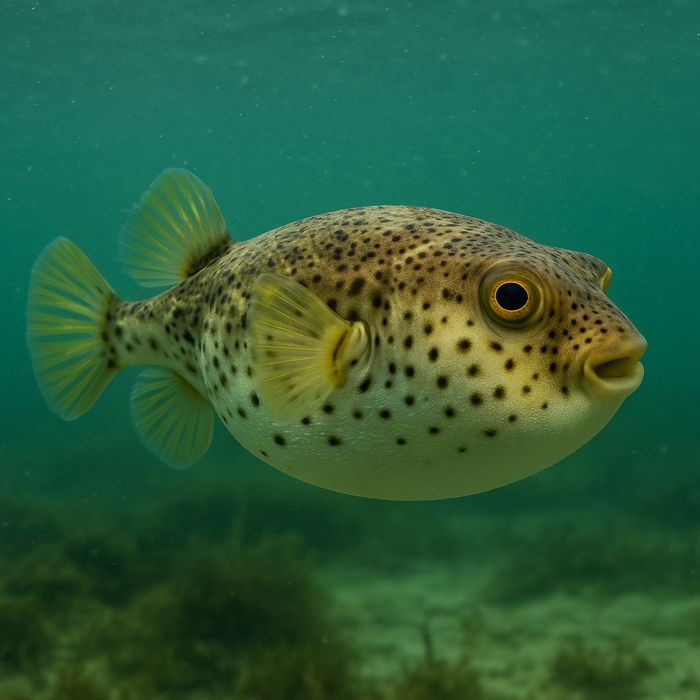
The Checkered Pufferfish is not your average reef dweller. Sporting a distinctive checkered pattern and a reputation for puffing up when threatened, this species commands attention both visually and behaviorally. Known scientifically as Sphoeroides testudineus, it’s a fascinating fish that combines quirky defense mechanisms with a vital role in coastal ecosystems. If you’re diving into Checkered Pufferfish facts, prepare for a deep dive into a creature that’s as intriguing as it is resilient.
What Makes the Checkered Pufferfish Unique?
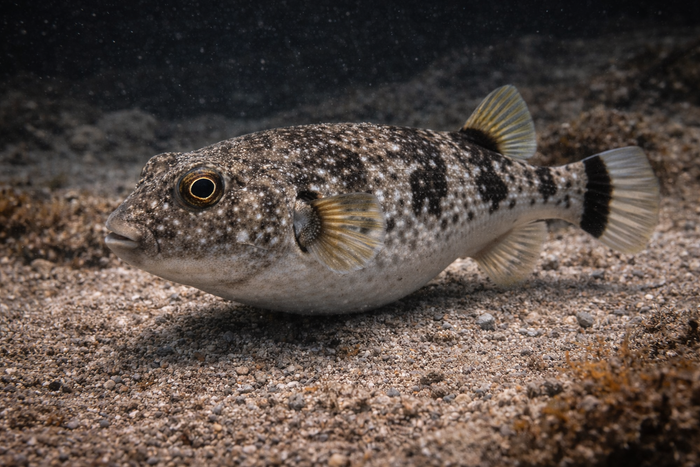
The Checkered Pufferfish stands out for several reasons. First, its signature checkered pattern isn’t just for show—it provides effective camouflage among seagrass beds and coral rubble. When danger looms, it inflates by gulping water (or air if it’s out of water), transforming from a modestly sized fish into a spiky, balloon-like menace. This inflation makes it harder for predators to swallow and signals that it’s not an easy snack.
Beyond its dramatic puffing, the Checkered Pufferfish carries tetrodotoxin, a potent neurotoxin that deters predators. This toxin is lethal in small doses, making the fish a risky target despite its relatively small size. Unlike many other fish, it doesn’t rely on speed or stealth but on a combination of visual intimidation and chemical defense.
Its beak-like teeth are another standout feature. These fused teeth allow it to crush hard-shelled prey like mollusks and crustaceans, showcasing a diet that’s both specialized and crucial for maintaining balance in its habitat.
Habitat & Global Range
The Checkered Pufferfish calls the western Atlantic home, ranging from the coastal waters of Massachusetts down through the Gulf of Mexico and the Caribbean, all the way to northern South America. Its preferred Checkered Pufferfish habitat includes shallow coastal waters, especially seagrass beds, mangroves, and sandy or muddy bottoms near reefs.
These environments provide ample hiding spots and a buffet of hard-shelled prey. The fish’s ability to thrive in brackish waters also demonstrates its adaptability, allowing it to exploit estuaries where few other puffers venture. This broad habitat range underscores its ecological versatility and resilience.
Behavior & Temperament
Don’t expect the Checkered Pufferfish to be a social butterfly. It’s generally solitary, patrolling its territory with a slow, deliberate swimming style. When threatened, it inflates rapidly, a behavior that’s as much about intimidation as survival. This inflation is not just a bluff; it’s a physical transformation that can double or triple its size, making it a formidable challenge for predators.
Despite its defensive prowess, the Checkered Pufferfish is not aggressive. It prefers to avoid confrontation, relying on its toxin and inflation to discourage attacks. Its feeding behavior is methodical, using its strong jaws to crush prey rather than chasing it down. This patient hunting style fits well with its slow-moving nature.
During breeding, males become more territorial and may display more vibrant coloration to attract females. Spawning usually occurs in warmer months, with eggs laid in protected areas to maximize survival chances.
Ecological Importance
The Checkered Pufferfish plays a critical role in coastal ecosystems. By feeding on mollusks and crustaceans, it helps control populations of species that could otherwise overgraze seagrass beds or disrupt reef structures. This predation maintains a balance that supports biodiversity and habitat health.
Its presence in seagrass and mangrove habitats also indicates environmental quality. Because it relies on these sensitive areas for shelter and food, changes in Checkered Pufferfish populations can signal shifts in ecosystem health, making it a valuable bioindicator species.
Furthermore, as prey for larger predators that have evolved resistance to its toxin, the Checkered Pufferfish fits into a complex food web, contributing to energy flow and nutrient cycling in coastal waters.
Conservation & Environmental Pressures
While the Checkered Pufferfish is not currently listed as endangered, it faces several environmental pressures. Habitat degradation, particularly the loss of seagrass beds and mangroves due to coastal development and pollution, poses a significant threat. These habitats are essential for feeding, breeding, and shelter.
Water quality issues, including runoff and chemical contaminants, can affect the health of both the fish and its prey. Overfishing is not a major concern for this species, but bycatch and habitat disturbance from fishing activities can impact local populations.
Climate change adds another layer of complexity, with rising sea temperatures and ocean acidification potentially altering the distribution of the Checkered Pufferfish habitat and the availability of prey species.
The FishyAF Take
The Checkered Pufferfish is a masterclass in evolutionary defense and ecological balance. It’s not flashy in the traditional sense, but its bold pattern, inflation ability, and toxic arsenal make it unforgettable. This fish is a reminder that survival in the ocean isn’t about brute force or speed alone—it’s about clever adaptations and playing a vital role in the ecosystem.
For anyone interested in marine life, understanding Checkered Pufferfish facts offers insight into how species carve out niches in competitive environments. Protecting its habitat means preserving a piece of the coastal puzzle that supports countless other species. Keep an eye out for this checkered marvel next time you explore shallow Atlantic waters—it’s a small fish with a big story.